Recorded 12 August 2022, here’s the full podcast (his ‘#5’), some short snippets of this can be found on Tom’s Twitter feed and a list of his podcasts is here (you may notice I’ve let my curls come out to play!).


Recorded 12 August 2022, here’s the full podcast (his ‘#5’), some short snippets of this can be found on Tom’s Twitter feed and a list of his podcasts is here (you may notice I’ve let my curls come out to play!).
Comments Off on Watch me talk polar bears with Tom Nelson
Posted in Book promotion, science, Summary
Tagged climate change, facts, global warming, history, interview, models, podcast, polar bear
My open-access, peer-reviewed paper on the ecology of ancient polar bears in relation to sea ice has just been published in Open Quaternary. It’s called ‘Polar Bear Fossil and Archaeological Records from the Pleistocene and Holocene in Relation to Sea Ice Extent and Open Water Polynyas’.
A unique compilation of more than 104 polar bear skeletal records from the Holocene and late Pleistocene shows that most ancient remains are associated with existing or ancient open water polynyas or the expansion of sea ice during past cold periods. This big-picture analysis indicates that as they do today, polar bears were most commonly found near polynyas throughout their known historical past because of their need for ice-edge habitats.
Read my longer summary below and download the paper here. This is a much-updated and expanded analysis based on an informal study I did in 2012.

Comments Off on Ancient polar bear remains explained by sea ice and polynyas: my peer-reviewed paper
Posted in Evolution, History, science, Sea ice habitat, Summary
Tagged archaeology, Clmatic Optimum, distribution, ecology, fossils, Holocene, Pleistocene, polynya, sea ice, Yamal, Zhokhov Island
New peer-reviewed polar bear paper of mine coming out, likely Monday or Tuesday. Watch for it.

Comments Off on Big announcement coming this week
Posted in Sea ice habitat, Summary
Tagged Pleistocene, polar bear, sea ice
The current health and abundance of polar bears continues to be at odds with predictions that the species is suffering serious negative impacts from reduced summer sea ice blamed on human-caused climate change.
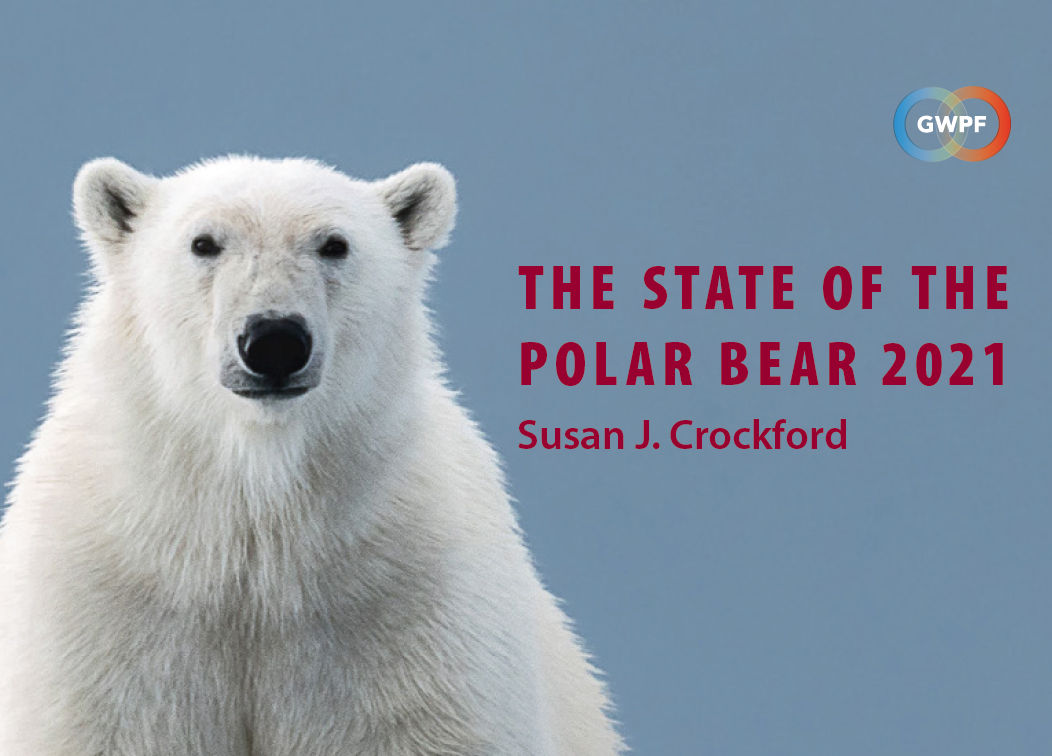
Comments Off on State of the Polar Bear 2021: polar bears continued to thrive
Posted in Advocacy, Conservation Status, Polar bear attacks, Population, Sea ice habitat, Summary
Tagged attacks, Chukchi Sea, Davis Strait, Dyck, population size, recovery, surveys
The IUCN/SCC Polar Bear Specialist Group have recently modernized their website, which apparently required them to remove all meeting reports and status documents going back to 1968. Since I had downloaded all of them for my own research, I have archived them here for anyone wishing to assess the accuracy of statements made by PGSG members about what they did or said in the past, or to understand the history of the organization. I did something similar a few years ago regarding the administrative reports used in 2007 to support the decision to list polar bears as ‘threatened’ under the US Endangered Species Act (ESA), which disappeared from the US Geological Survey website: they can now be found here.

Comments Off on Archive of IUCN Polar Bear Specialist Group status and meeting reports back to 1965
Posted in Archive, Conservation Status, Population, Summary
Tagged Archive, IUCN, meeting reports, PBSG, Polar Bear Specialist Group, status reports, status tables
The so-called fact-checkers are out again trying to insist one side of a scientific debate is wrong and another is right because they happen to agree with one side. That’s advocacy, not science.

Here are some facts (check the links provided for additional references):
Continue readingComments Off on Fact checkers defend activist scientists because they agree with them not because they are right
Posted in Advocacy, Conservation Status, Population, Sea ice habitat, Summary
Tagged advocacy, facts, integrity, polar bear, population size, science, sea ice
One of the recommended videos I included in my Arctic Sea Ice Ecosystem Teaching Guide is a film called “Edge of Ice”. Produced in 1986 (before climate change hype pervaded everything), this 55 minute documentary from the National Film Board of Canada (filmed in Lancaster Sound, Canada) is an excellent summary of Arctic sea ice and its ecology. Available for free streaming here.

Narrated in parts by an Inuk hunter, it not only shows virtually all of the species associated with ice edges in the central Canadian Arctic, including polar bears, but also explains the process of freezing and thawing; life under the ice and the importance of polynyas.
Worth bookmarking for future viewing if you can’t get to it right away. Beats watching the news these days. It’s also a reminder to tell your homeschooling friends and relatives over the holidays about my free Teaching Guide resource: it’s something many parents will find useful.
Comments Off on Educational video about Arctic sea ice to bookmark: excellent for adults and children
Posted in Life History, Sea ice habitat, Summary
Tagged documentary, free, ice edge, polynya, sea ice, teaching guide, video
I have put together a Arctic Sea Ice Ecosystem Teaching Guide for homeschooling Arctic sea ice ecology at the middle school level (grade 5-8; ages 10-13) meant to complement my two books, Polar Bear Facts & Myths and Walrus Facts & Myths and supplement your local school board curriculum. You’ll find critical facts about the amazing creatures that inhabit the Arctic sea ice, links to trust-worthy online sites with additional information, suggested exercises, and links to fascinating videos like this one that aren’t filled with doom-mongering about the future. The printable pdf booklet is free to download here (single typo in original corrected). However, if you find it useful and can afford to do so, please consider a small donation (I suggest $6.00) at the ‘donate’ button to the right.

Comments Off on Free homeschool guide to Arctic sea ice ecology
Posted in Book promotion, Life History, Products, science, Sea ice habitat, Summary, walrus
Tagged ecosystem, education, Facts & Myths, free, homeschooling, middle school, sea ice, teaching
It’s hard to believe that a polar bear specialist would claim that their predictions have come true, given the facts of the matter: that polar bears arguably number over 30,000 worldwide and regions with the most dramatic sea ice declines have not documented reduced polar bear health or survival. But in mid-July this year, Andrew Derocher – one of the field’s most vocal promoters – did just that: proclaimed on twitter that “virtually all of our predictions are coming true.” Except, none of them did, especially the most widely-promoted one, which failed spectacularly.
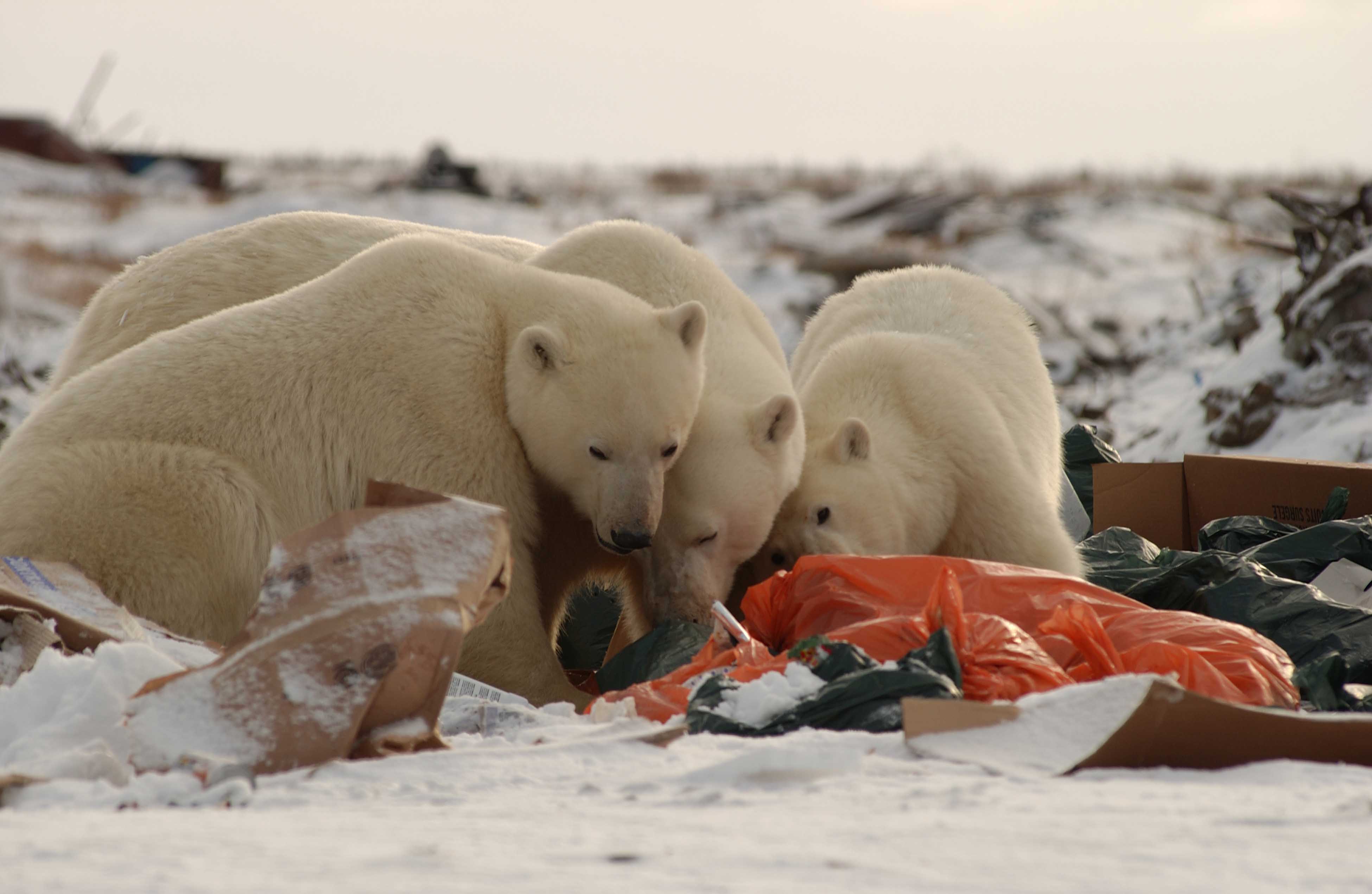
Comments Off on Still waiting for two thirds of polar bears worldwide to disappear due to lack of summer sea ice
Posted in Conservation Status, Population, Sea ice habitat, Summary
Tagged climate change, facts, failed predictions, minimum, polar bear, population decline, predictions, sea ice, September
Due to the efforts of Thiago Maia and his team of assistants (Igor Vaz Maquieira and Márcio Calixto), I can now offer a Portuguese translation of my popular Polar Bear Facts & Myths science book for young readers in Brazil and Portugal.
Urso Polar Fatos E Mitos – agora disponível em Português!

Comments Off on Polar Bear Facts & Myths for young readers in Portugal and Brazil
Posted in Book promotion, Life History, Summary, Uncategorized
Tagged facts, myths, polar bear, Portuguese, science book




 polarbearscience
You must be logged in to post a comment.