
Tag Archives: Atlantic

Walrus and polar bear population size changes in the N. Atlantic over the last 20k years

This is a lesson in how to assess the potential worth of scientific papers. One of two similar Arctic evolution studies got media attention, at least in Canada — about the polar bears, of course — but in my opinion the walrus research conclusions are much better supported, less biased by climate change rhetoric, and lack the hubris present in the polar bear paper.
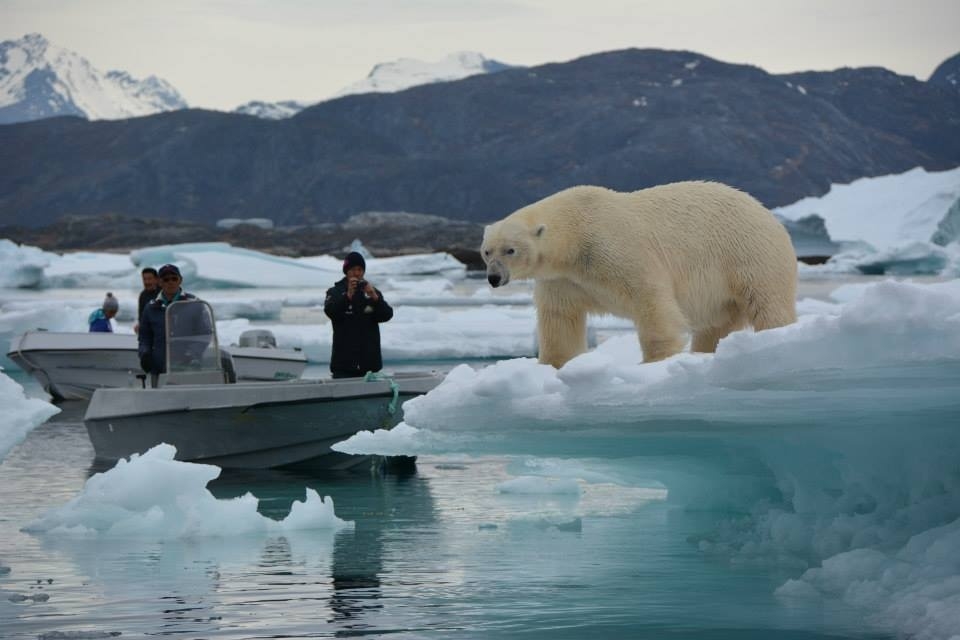
Both studies use similar sample sizes for the regions they had in common (North Atlantic) and used computer models to determine genetic diversity and population size changes since the LGM. However, the tone of the walrus paper was less emotionally-charged and the caveats of the work were appropriately stated. In my opinion, papers like the polar bear example contribute to eroding the public’s trust in science.
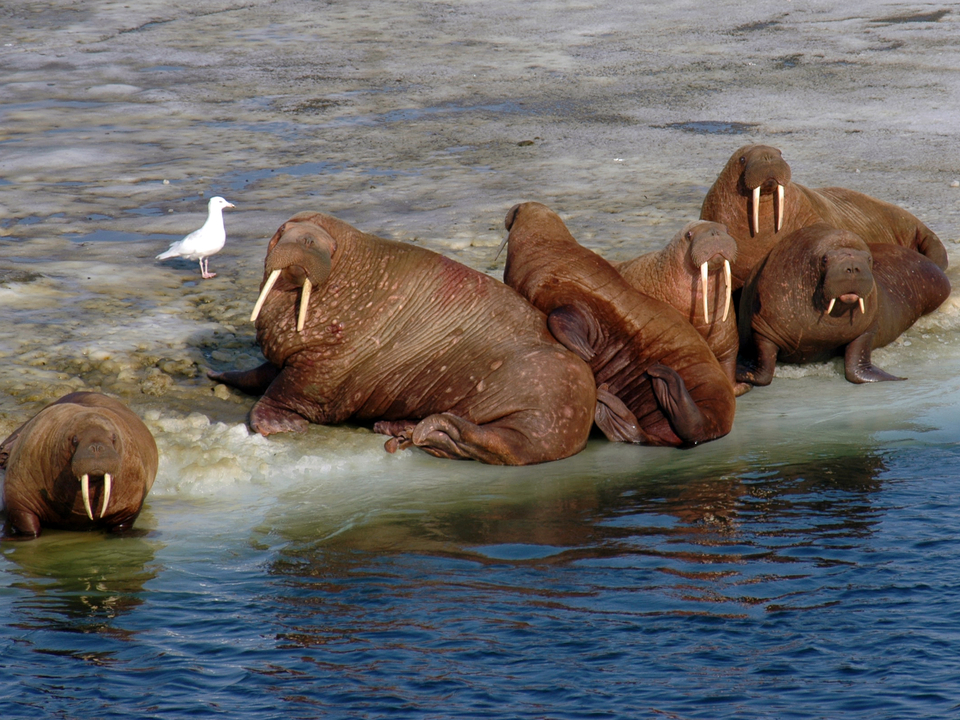
The last Ice Age peaked between about 27,000 and 19,000 years ago. At this time the Arctic was buried under kilometers of glacial ice sheets, and so marine mammals were pushed southwards to areas of ice floes and more open water. Walrus survived in some areas of the Atlantic located further to the south, and as soon as climates warmed again, the ice edge retreated and walrus populations pushed quickly northwards again. This combination of warming and climate-driven dispersal led to local walrus populations becoming more genetically differentiated. Walrus study, Lund University press release 27 September 2023

Continue reading
Polar bear sightings and sea ice conditions in Newfoundland & Labrador 2023 vs. 2017

Conservation officials issued an alert to residents of coastal communities to be aware of polar bears coming ashore over the last week in northern Newfoundland and southern Labrador, after a woman photographed a bear outside her home on Tuesday morning (7 March 2023). Since no bears in this subpopulation are tracked with satellite radio collars, we have no idea if there are a few dozen bears — or a few hundred of them — hunting on the ice and available to come ashore when the opportunity arises.

Recall that in April 2017, after more than a dozen bears had been spotted onshore in the region since early March, polar bear specialist Andrew Derocher told CBC Radio that this was bad news for the bears.

Continue reading

Svalbard walrus thrive in the face of sea ice decline, mocking predictions of future catastrophe

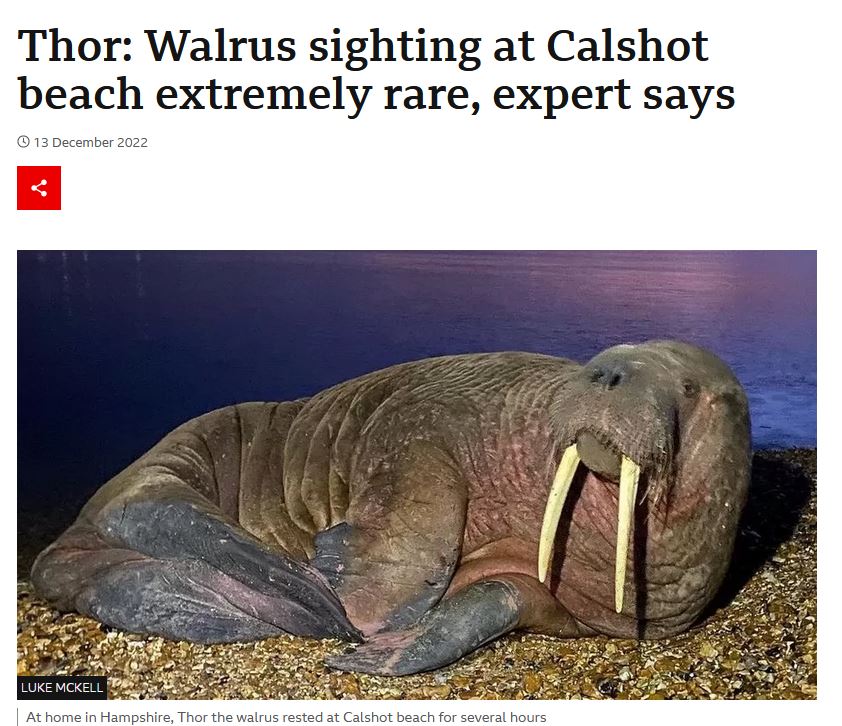
The extended visit of an immature male walrus to the UK last month (dubbed ‘Thor’, presumably from Svalbard, Norway) has precipitated the tired and vacuous ‘victim of climate change’ cries from the peanut gallery, including Bob Ward of the Grantham Institute. The facts, however, put all that to rest.

Continue reading

Harp seal: most abundant Arctic seal is an undervalued polar bear prey species

The harp seal is the most abundant seal species in the northern hemisphere (estimated to number more than 9 million animals – that’s more harps than ringed seals) but are found only in the North Atlantic. Partly because they give birth on mobile pack ice, harps have their pups earlier in the season than all other Arctic seals, which means that in some regions, they are a critical food source for polar bears that have eaten little over the winter months.

Harp seal pup_DFO Newfoundland

Although young ringed seals are considered the primary prey of polar bears throughout the Arctic, young harp seals undoubtedly represent an increasingly important resource for populations of Davis Strait, East Greenland and Kara Sea bears.

Most of the harp seals in the NW Atlantic/Atlantic Canada (about 80% of them) have their pups off Newfoundland and Labrador, an area known as the “Front” (the location of my polar bear attack novel, EATEN: special deals all this week). Harps seals at the Front now provide a huge prey base for polar bears of the large (and possibly still growing) Davis Strait subpopulation (photo below courtesy DFO Canada).

There are an estimated 7.4 million harps in Atlantic Canada today (range 6.5-8.3m), an exponential increase over the early 1980s, when perhaps only half a million so remained.  Pagophilus groenlandicus was assigned a conservation status of ‘Least Concern’ by the IUCN Red List in June last year (Kovacs 2015), when it was estimated that the global population size of the harp seal was greater than 9 million animals and probably growing1, 2 due to reduced human hunting:

“…harp seals have been harvested for thousands of years but currently the population is large and the number of animals harvested is declining.” [my bold]

Photographers and animial rights activists love cute, fluffy harp seal pups and rarely mention the carnage that goes on in spring as polar bears devour the naive youngsters. See the video below (from 2008), for an example of the cuteness factor.

Continue reading


