Posted onMarch 16, 2023|Comments Off on Return of Svalbard sea ice in time for seal births and the polar bear feeding bonanza
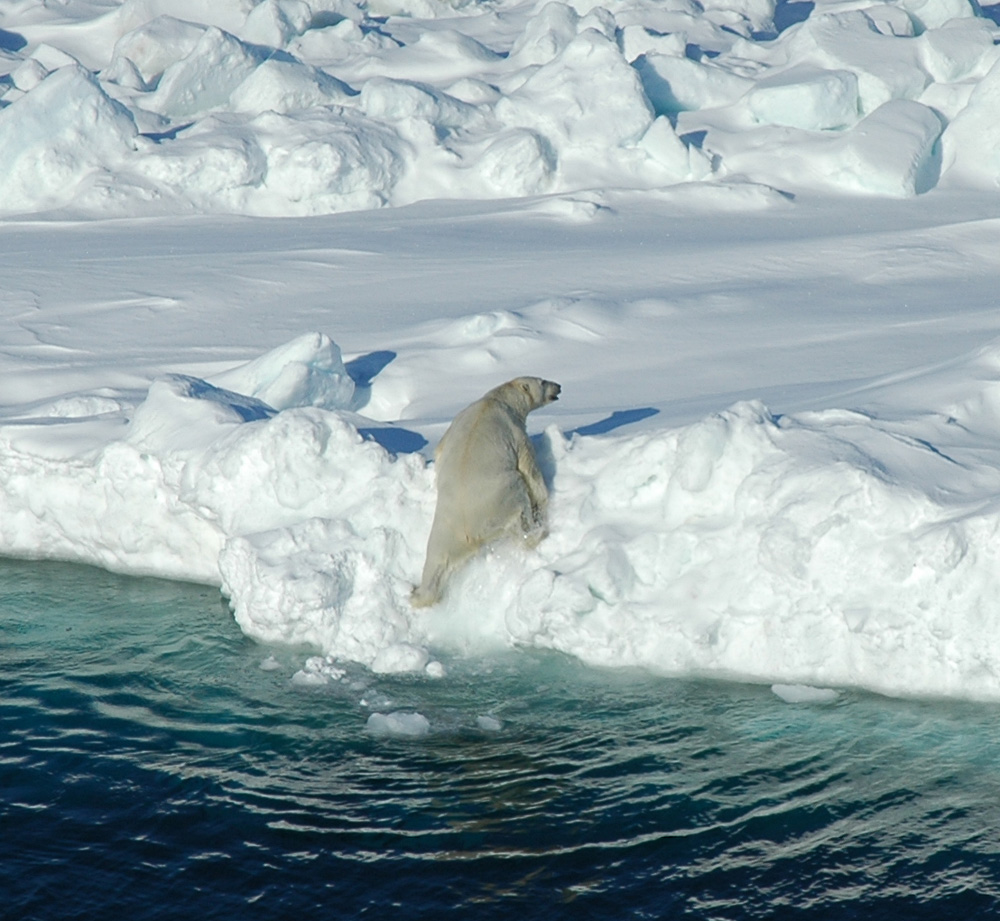
It seems that every fall and winter for the last decade at least, there has been hand-wringing about the lack of Svalbard sea ice and what a tragedy this is for polar bears. And like clockwork, before the end of winter (30 March) every year, the pack ice returns in time for spring: for ringed and bearded seals to give birth–and for the polar bears to gorge themselves on the fat newborns.
This year there is even ice as far south as Bear Island (Bjørnøya) and it’s only 15 March. This has happened several times now in the last 10 year. So much for the catastrophe! And soon Norwegian biologists will be out checking on the health of these bears, which they do every year and report their results online for everyone to see.
Posted onMarch 12, 2023|Comments Off on Ice-entrapped dolphins in Newfoundland lucky not to have been eaten by polar bears
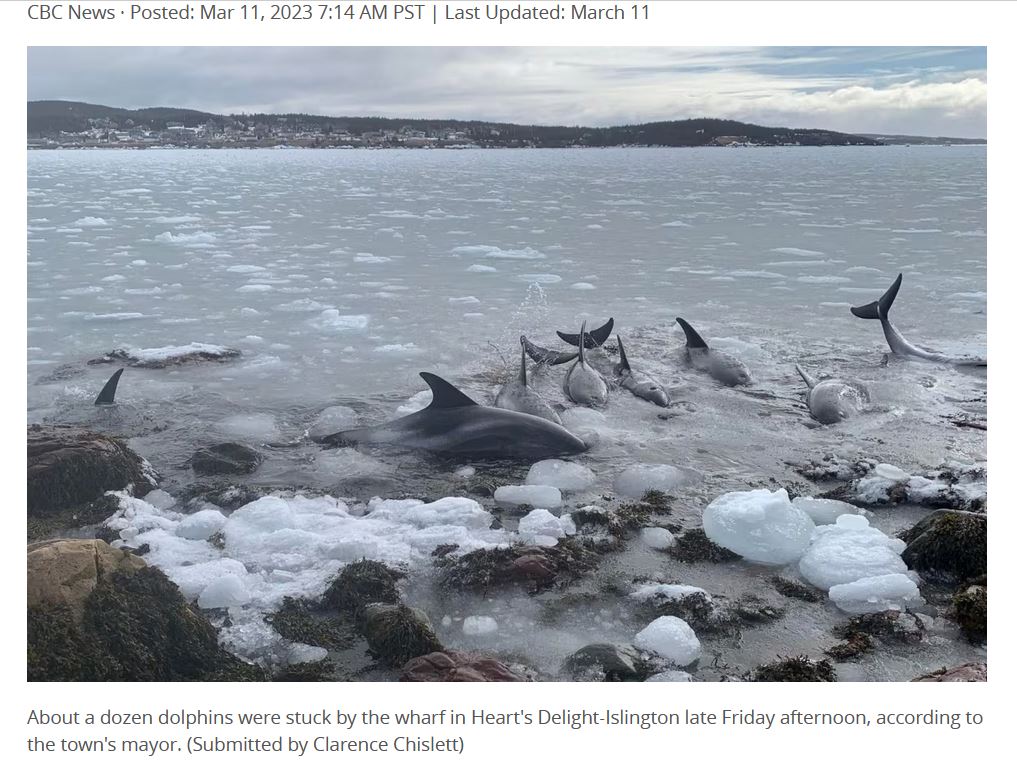
A small pod of white-beaked dolphins entrapped on Friday (10 March) by a sudden surge of ice along the northern Newfoundland coast were lucky to have been rescued by humans before polar bears could get to them. We know the bears are around, drawn south by the millions of harp seals giving birth to their pups in the area. In April 2014, something similar happened to white-beaked dolphins in Svalbard and they became a welcome meal for at least six polar bears (Aars et al. 2015).
UPDATE 20 March 2023: Another pod of white-beaked dolphins has perished from the ice over the weekend. More than 30 dolphins were trapped near the town of Carbonear, which is on Conception Bay (the next big bay southeast from Trinity Bay), according to CBC News. Given the ice conditions, this is almost certainly a different pod to the one reported on two weeks ago.
Dolphins getting stuck in sea ice is a fairly regular occurrence, said Ledwell. [Wayne Ledwell of Whale Release and Strandings]
“It’s been happening here forever,” he said, adding it’s not just a problem for dolphins. “It kills blue whale and humpback whales and whatever gets into it.”
Posted onMarch 5, 2023|Comments Off on Early-birthing polar bear female with new cubs out on the ice already in Western Hudson Bay
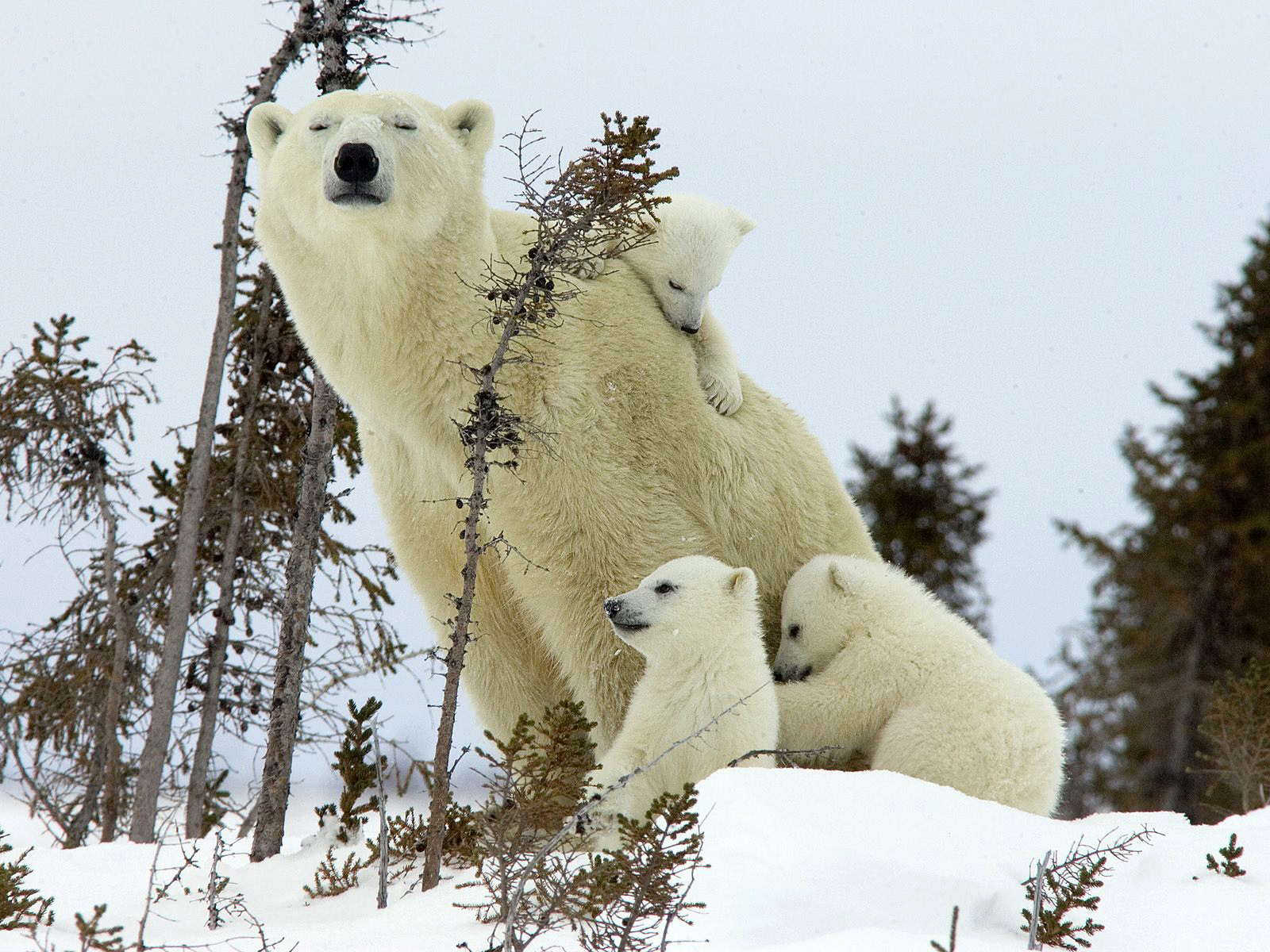
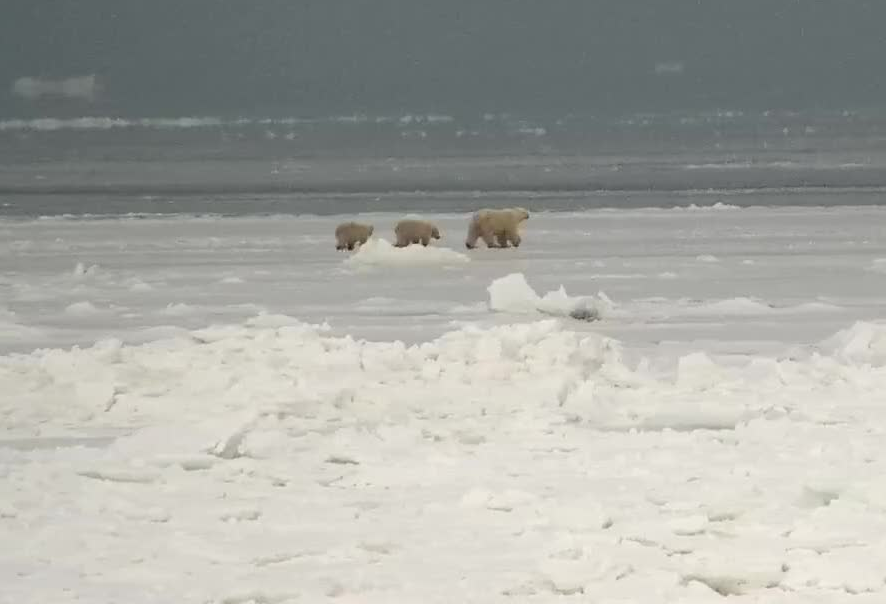
At least a month earlier than in more northerly areas of the Arctic, the first known female with new cubs-of-the-year has been reported on the sea ice hunting for seals in Western Hudson Bay. Remember this when the cries of “early” breakup of sea ice on Hudson Bay come in the summer: these WH bears routinely get a head start on spring feeding that other bears don’t get.
Posted onDecember 11, 2022|Comments Off on Polar bear habitat update: Winter conditions well on their way across the Arctic except in Svalbard
December is late fall in the Arctic: winter conditions are gearing up but are not in full swing everywhere. Sea ice is developing quickly over Hudson Bay and moving slowly towards the Bering Sea but the Svalbard archipelago is still devoid of pack ice.
Such conditions north of Norway have existed most years since 2005: it’s certainly not a new development for Svalbard to be free of surrounding pack ice in December (although there was lots of ice in 2019 and 2021 by late November). This means traditional denning areas on the eastern islands again cannot be used by pregnant polar bear females, because they must be ensconced in their dens by at least late November or so.
Some seem to think this is a calamity: that such ‘loss of habitat’ is a huge concern for the survival of the subpopulation, if not the entire species. However, the same conditions existed in 2011 and did not result in a dramatic decline in the population as measured in 2015 (Aars et al. 2017) because the bears knew how to respond. They have apparently moved north to make maternity dens on the sea ice or east to the Franz Josef Land archipelago in Russia (Aars 2015). These areas are still within the Barents Sea subpopulation boundaries and researchers have known for two decades that bears have moved around within it (Andersen et al. 2012; Derocher 2005; Maurizen et al. 2002).
Posted onNovember 24, 2022|Comments Off on Eastern Canadian Arctic has much more sea ice than usual while Svalbard polar bears deal with less
Svalbard is still ice-free this fall, which it has been rather consistently for at least ten years but the amount of sea ice greater than ‘normal’ in the Eastern Canadian Arctic at this date is something to behold. Yet contrary to predictions, polar bears in Svalbard are thriving.
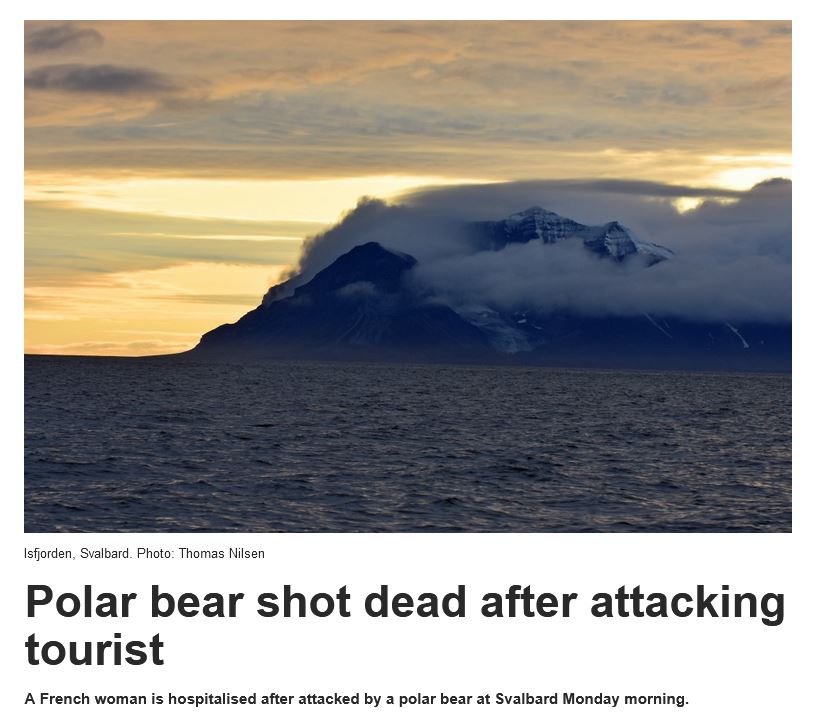
Posted onAugust 8, 2022|Comments Off on Polar bear shot after early morning attack on French tourist camping in Svalbard
There was another polar bear attack on Svalbard this morning, similar to others in previous years. As usual, the body condition of the bear was not mentioned (whether fat or thin) and photos of it were not published. The woman survived, the bear did not.
Posted onJuly 26, 2022|Comments Off on Expert admits polar bears in Svalbard are thriving despite the greatest loss of sea ice in the Arctic
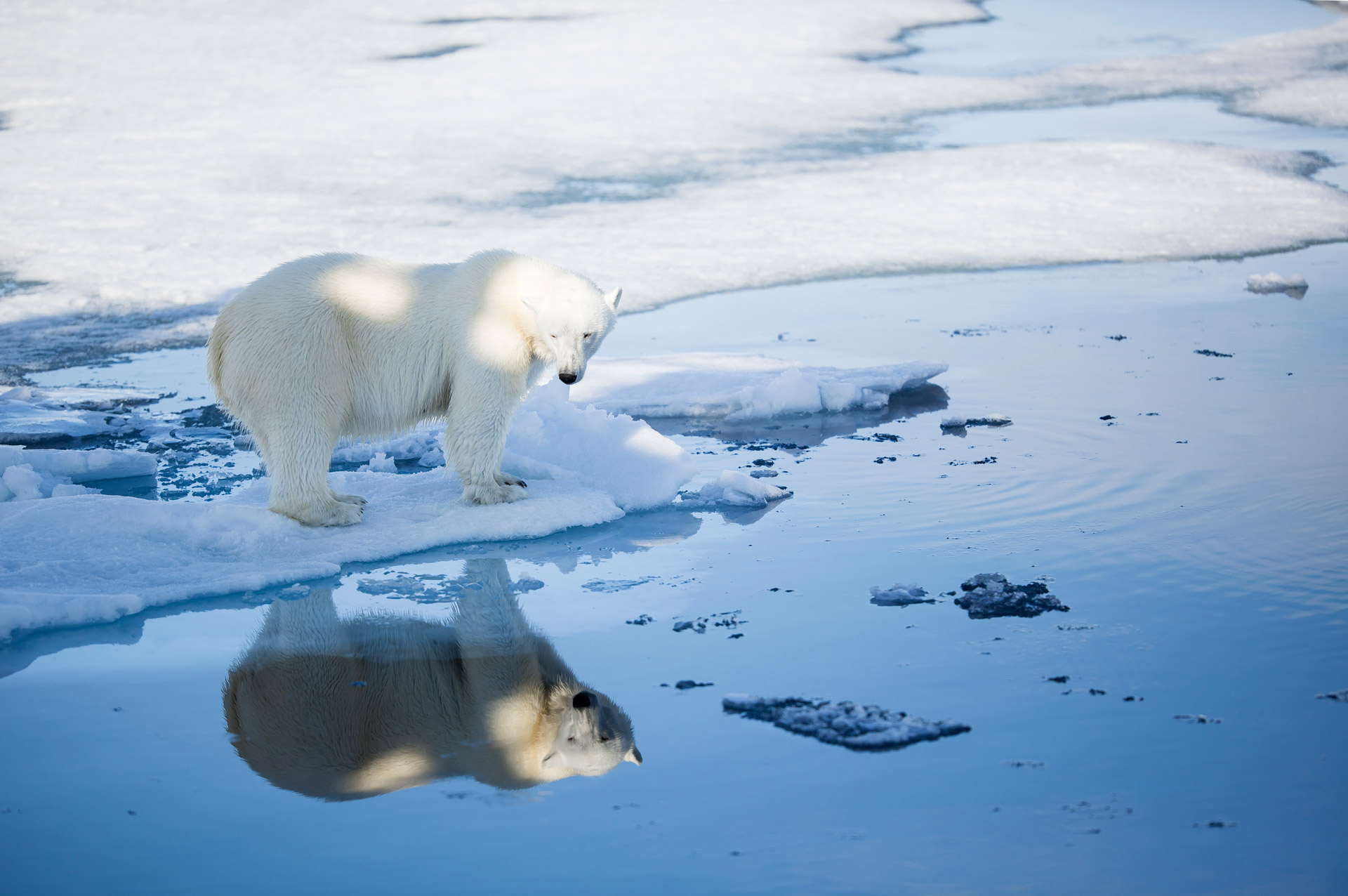
In an article published last week, polar bear specialist Jon Aars is quoted as saying that Svalbard bears are “unexpectedly” thriving. However, he fails short of admitting that the bears don’t really need summer ice as long as they are well-fed in spring, which they have been for the last two decades—this year included.
Aars said the sea ice in this area is declining more than twice as fast as anywhere else in the Arctic. But the polar bears here — unexpectedly — are thriving. [E. Haavik, Svalbard’s polar bears persist as sea ice melts — but not forever, 21 July 2022; my bold]
Spring 2018, Barents Sea
The suggestion by Aars that the Svalbard archipelago could one day be ice-free for the entire year is speculative hyperbole but even if that were to happen, it would only mean the permanent movement of 300 or so Svalbard bears to Franz Josef Land (still within the Barents Sea) where ice conditions are less volatile.
Posted onJune 26, 2022|Comments Off on Svalbard polar bear data for spring 2022, low June ice unlikely to affect health or survival
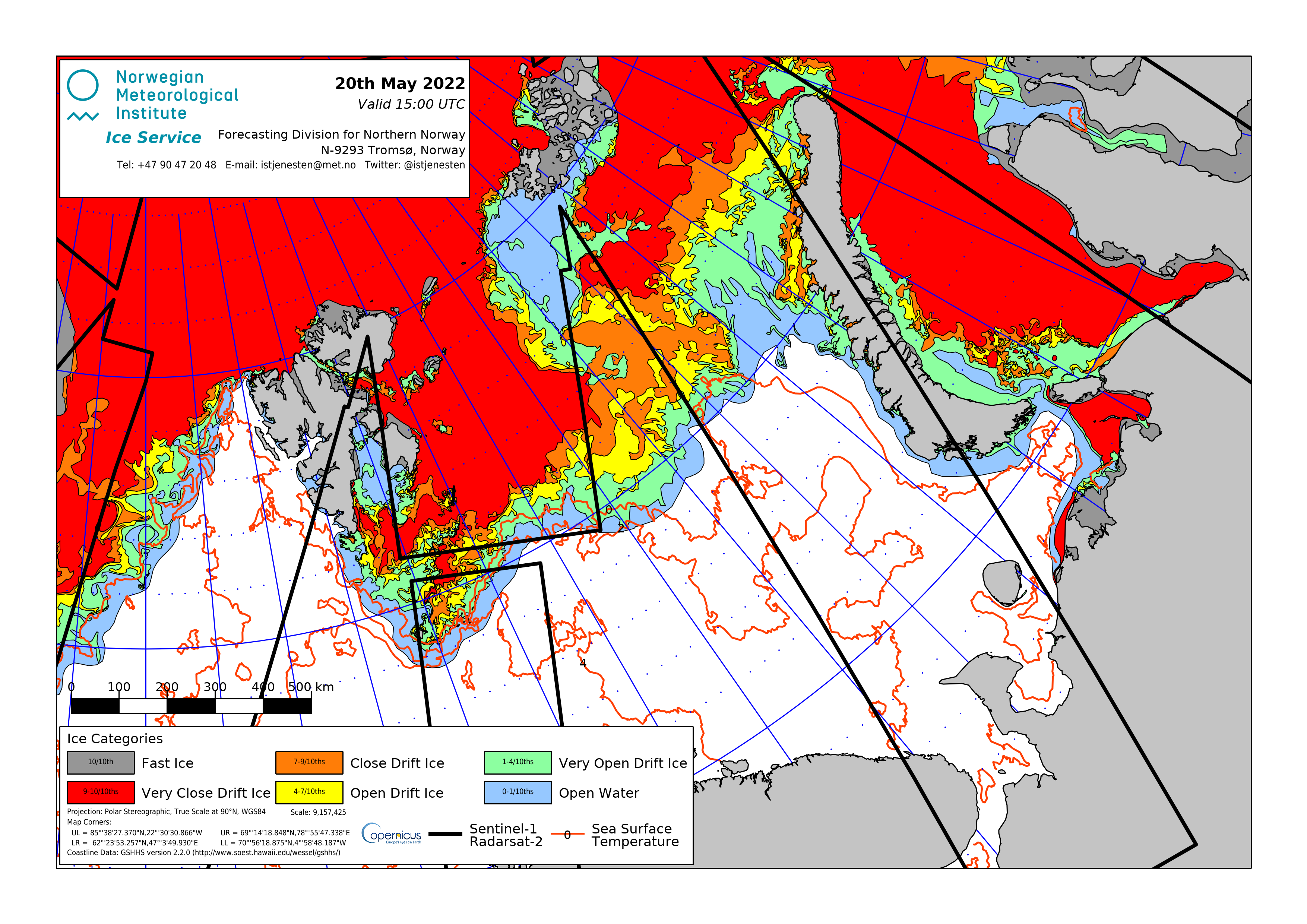
Sea ice around Svalbard, Norway has receded dramatically over the last few weeks and is now at levels similar to 2018 and 2006. But the data are in for the 2022 spring season and they show the bears are still thriving.
Posted onMay 23, 2022|Comments Off on Barents Sea good news: researcher reveals polar bears, even females, still in excellent condition
Barents Sea polar bears had another good year in 2022 despite having lost the most sea ice of any subpopulation but the media and activists can’t help themselves insisting a dismal future is ahead.
Oddly, Norwegian polar bear researcher Jon Aars recently said the quiet part out loud: that he expects Barents Sea polar bear numbers to keep rising, which is rather at odds with the standard narrative:
“What we think is that in the future, if you get less and less sea ice and more and more bears, at some stage they will start struggling and you get fewer bears,” Dr. Jon Aars, a research biologist at Norwegian Polar Institute, told CTV News. [CTV News, 8 May 2022]
“Unexpectedly, body condition of female polar bears from the Barents Sea has increased after 2005, although sea ice has retreated by ∼50% since the late 1990s in the area, and the length of the ice-free season has increased by over 20 weeks between 1979 and 2013. These changes are also accompanied by winter sea ice retreat that is especially pronounced in the Barents Sea compared to other Arctic areas. Despite the declining sea ice in the Barents Sea, polar bears are likely not lacking food as long as sea ice is present during their peak feeding period. Polar bears feed extensively from April to June when ringed seals have pups and are particularly vulnerable to predation, whereas the predation rate during the rest of the year is likely low.” [Lippold et al. 2019:988]
This is has been upheld this year as well, with Aars saying in the video below (6 May 2022) that bears were found to be in excellent condition this spring. In contrast, the media framed this good news within the false ‘polar bear numbers are declining’ narrative, urged on, no doubt, by doom-monger Steve Amstrup.
Amstrup is the paid spokesman for activist organization Polar Bears International, who is identified in this ‘news’ report only as a ‘scientist’, as if he were unbiased, banging on about bears in Western Hudson Bay, where sea ice decline has been a fraction of what the Barents Sea has experienced.
Amstrup’s prophet-of-doom side-kick, Dr. Andrew Derocher (University of Alberta), who worked in the Svalbard area in the 1990s, was wringing his hands in public over sea ice loss in March:
It's incredibly warm in Svalbard. Challenging times for my old study area & the polar bears living there. If this continues, the melt will come early. An early spring melt is correlated with lower polar bear body condition, higher mortality rates & lower reproductive success. https://t.co/TWBcbjyppp
The disappearing ice in the Barents Sea is quite remarkable for March – this is the area within polar bear habitat with the most rapidly disappearing ice cover (>30 days of ice cover lost / decade). https://t.co/LvQ5bTEbVi
It turned out, this wasn’t an “early melt” but pack ice moving in response to wind, as it often does. A bucket-load of angst, all for nothing. Oddly enough, the polar bears figured out a way to not just survive, but thrive! Who would have thought?
References
Lippold, A., Bourgeon, S., Aars, J., Andersen, M., Polder, A., Lyche, J.L., Bytingsvik, J., Jenssen, B.M., Derocher, A.E., Welker, J.M. and Routti, H. 2019. Temporal trends of persistent organic pollutants in Barents Sea polar bears (Ursus maritimus) in relation to changes in feeding habits and body condition. Environmental Science and Technology 53(2):984-995.
Comments Off on Barents Sea good news: researcher reveals polar bears, even females, still in excellent condition
Watch polar bear habitat reform in the Canadian Arctic: “last 10 days” Canadian Ice Service animation (works anytime) HERE.
See Quote archive for details.











 polarbearscience
You must be logged in to post a comment.