Monthly Archives: December 2023

Polar bears and sea ice fail to implode in 2023 as predicted, with special thanks for your support

As this year draws to a close, it is worth noting that over the last 12 months — and contrary to predictions and headlines, including claims about “the warmest year ever” — polar bears have not been reported dying, starving, or eating each other in large numbers, or relentlessly attacking people. On top of that, summer sea ice coverage in the Arctic has stalled for the last 17 years, not melted out in a death spiral of rotten ice.
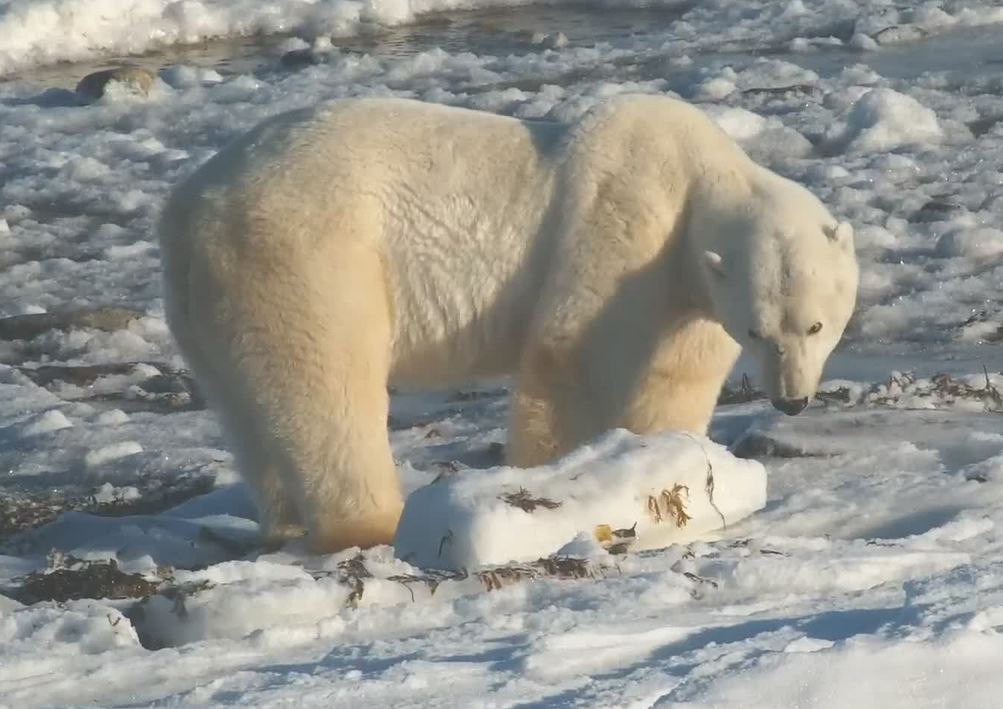
Except for the lying and obfuscation that most of us have come to expect, I’ve mostly been left to reiterate that polar bears are not “canaries in the coal mine” indicators of climate change and to point out that Arctic sea ice extent and polar bear survival are not inextricably tied. For example, in some specific areas of interest, like Western Hudson Bay, there has not been a consistent decline in sea ice over the last few decades and bears are not attacking people at increased rates because they are desperately hungry. In other areas, like the Svalbard area of the western Barents Sea, sea ice has declined dramatically in recent years yet polar bears have not been attacking people more than usual.

Contradictions and failed predictions abound.
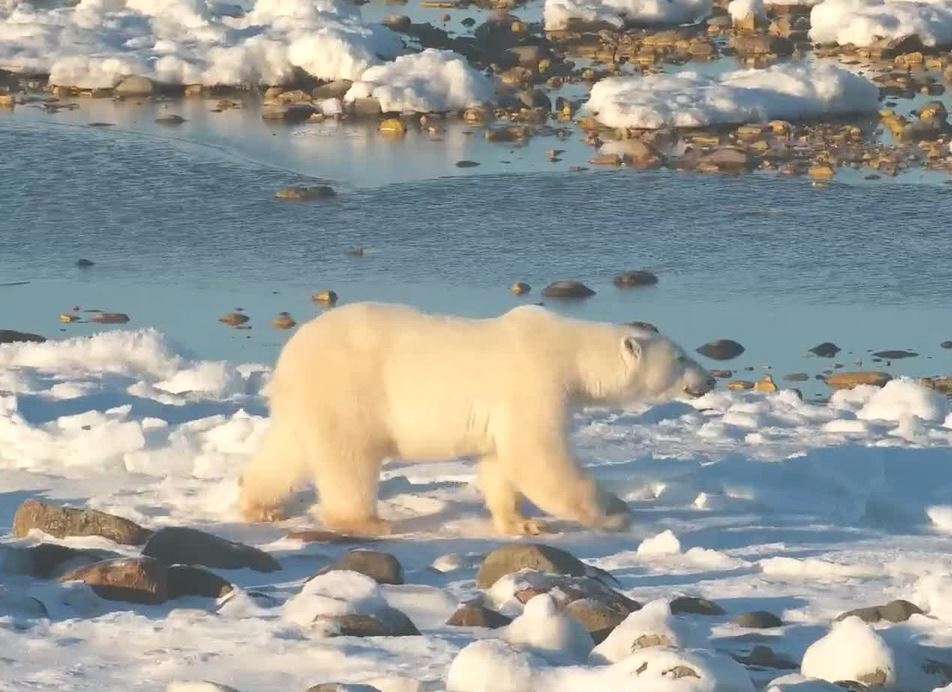
All in all, a rather boring year for the anticipated implosion of polar bear health and survival, despite my constant tracking of publicly-available information. That said, I would like to take this opportunity to thank you all again for your continued support, and especially those who have donated hard-earned cash over the last few months: your support makes it possible for me to continue my work keeping polar bear science honest. Together, we have made a difference and I know it’s worth the fight. Because if we let evidence-based science die without challenge, we lose our ability to make sense of the world.

All the best for 2024 to you all.

Continue reading
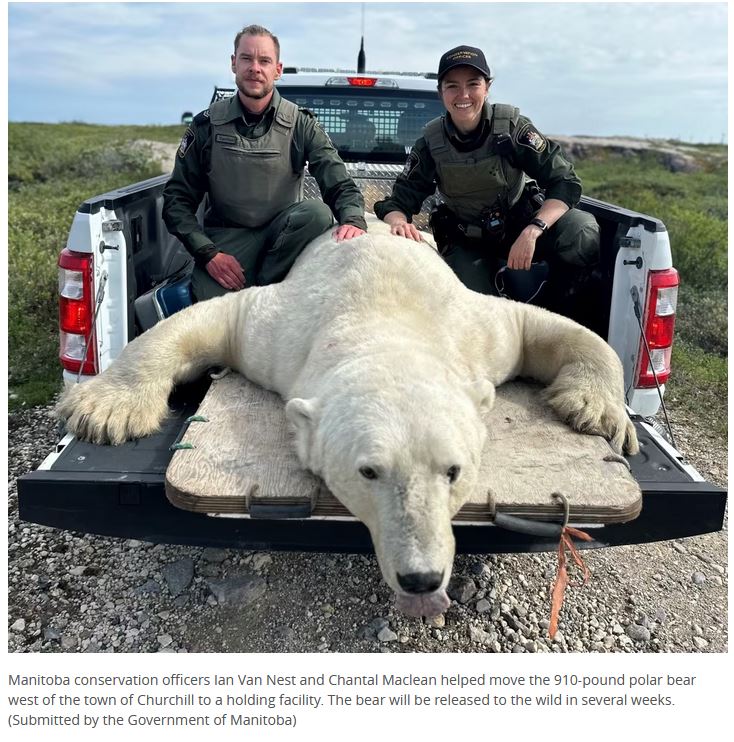
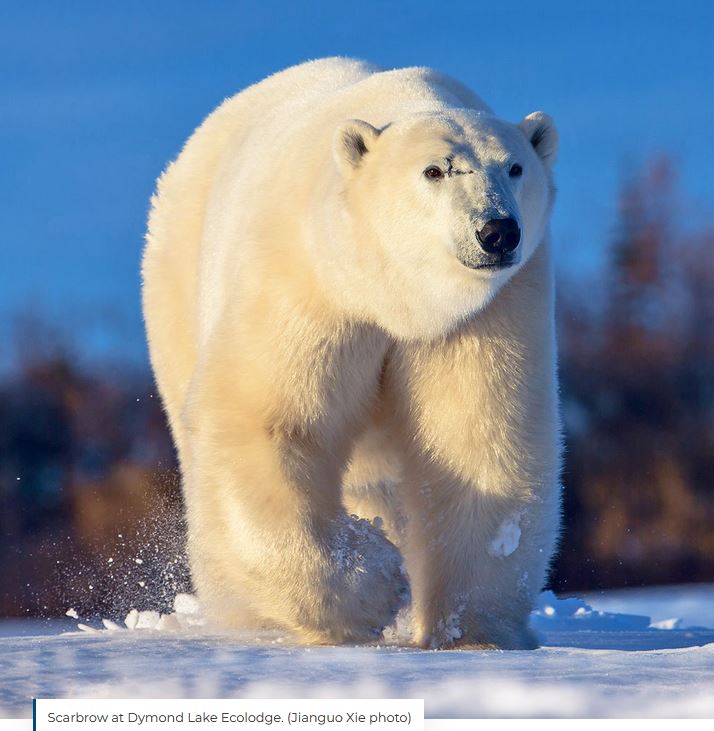
Churchill end-of-season problem polar bear reports finally published

Today the Town of Churchill finally published the final problem bear reports of the season, which presents an opportunity to do a quick comparison to recent years.

This season lasted 24 weeks, the longest I can remember but apparently only the 5th longest on record. There were a total of 265 incidents by the end of November, more than 100 less than the most recent late-freeze-up year of 2016, which didn’t end until the first week of December (after bears had spent 22 weeks onshore). However, two recent years when freeze-up didn’t come until the end of November (2017 and 2020) had far fewer incidents (more than 100 less each compared to this year).

Continue reading

Despite hand-wringing about Churchill polar bears this year, 2023 wasn’t their worst summer

For months, the media has been bleating about the poor polar bears of Churchill suffering from lack of sea ice blamed on human-caused climate change during the so-called ‘hottest year’ on record: in April, July, August, November, and December.

From a Churchill Wild report on the condition of WH polar bears, January 2023

However, while breakup of sea ice on Hudson Bay was indeed early this year and freeze-up came later than usual, Western Hudson polar bears apparently spent only the fifth-longest time on land since 1979, according to a polar bear specialist. How is that even possible, given that sea ice conditions should be getting worse and worse as CO2 levels increase and average global temperatures rise? As I’ve pointed out before, it is apparent that Arctic sea ice is not closely coupled to CO2 levels (as the ‘experts’ claim), which makes me wonder if there is any ecologically-relevant correlation between CO2 and sea ice at all.

Money quote from Geoff York, from Polar Bears International: “As of Nov. 28 this year, the bears in western Hudson Bay had spent 164 days on shore, he said. That’s tied for the fifth-longest amount of time the bears have spent off the ice since 1979.CBC, 9 December 2023 [my bold]

Continue reading