In the 24 January 2026 (Saturday) issue of the National Post, veteran journalist Barbara Kay highlights my latest novel about wolves really-gone-rogue around Tofino on Vancouver Island and the wolf conservation issues it raises.
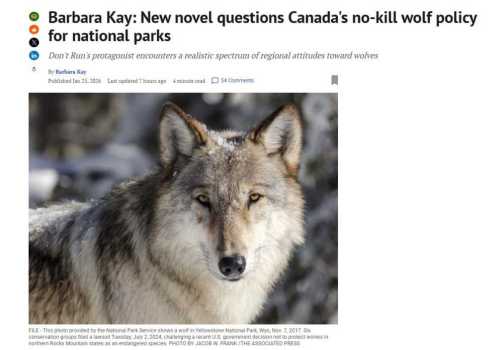

In the 24 January 2026 (Saturday) issue of the National Post, veteran journalist Barbara Kay highlights my latest novel about wolves really-gone-rogue around Tofino on Vancouver Island and the wolf conservation issues it raises.
Comments Off on Review of my wolf attack thriller DON’T RUN in the National Post
Posted in Book promotion, Book review, Other species
Tagged Don't Run, Parks Canada, Vancouver Island, wolf attack
For your amusement, I present a book review of Eaten from an Austrian academic specializing in contemporary literature by the name of Michael Fuchs. I came across his book chapter last week, buried deep within Google offerings, while looking for something else. I laughed all the way through it.

Here is the abstract:
“This chapter draws on Margaret Atwood’s vision of Canada as a Gothic space, examining how contemporary texts continue to invoke imagery of human and animal as antagonists competing for the same space. Fuchs analyzes a corpus of three “bear horror” fictions, the horror film Backcountry (2014) and two novels, The Bear (2014) by Claire Cameron and Susan J. Crockford’s near-future polar bear-themed Eaten (2015). It argues that animal predation on humans provides a powerful symbolic vehicle for bridging the human–animal divide, as it overrides the theory of human exceptionalism, offering a critical view of the entanglement of humans and nonhumans in the Anthropocene.”
A friend that I shared the essay with commented:
“My favourite sentence (new word of the day, class, please use “diegetic” in a sentence):
Continue reading“These constant slippages between ontological levels puzzle the reader in ways similar to how Anna is confused by the goings-on in the diegetic reality.” [pg. 263]
Comments Off on A literary review of my polar bear attack thriller, with all the condescending attitude you’d expect
Posted in Advocacy, Book review, Polar bear attacks, Sea ice habitat
Tagged advocacy, climate change, Eaten, literature, novel, polar bear, review, thriller
A review of my latest short novel from the UK really made me proud: if only Amazon offered a ‘geological fiction’ category, that is what I would have chosen. Tsunami meets sea ice meets polar bear…
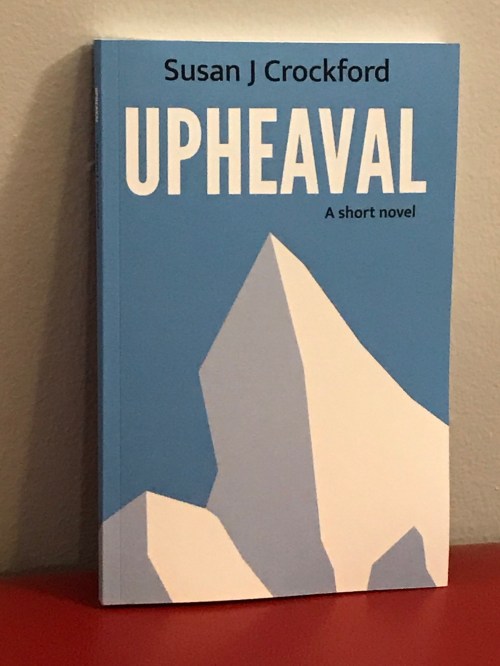
First Class Geological Fiction.
A clever, imaginative, well crafted and well written story focused on a natural phenomenon which has become all too familiar to us – especially those in the Far East – in the last 16 years. But the story contains a twist, which is perfectly possible, indeed likely to occur in the long term, which few have possibly thought of before. The book also reflects and bears witness to the author’s detailed and extensive knowledge and experience of Arctic conditions and wildlife.
The story is a sort of geological fiction, and the action takes place on Cape Breton Island, Nova Scotia – a place, by chance, already known for its spectacular geological curiosities. The book is quite short, and once into it, I found it hard to put down.
h/t B.G
Comments Off on UPHEAVAL review: ‘First class geological fiction’
Posted in Book review, Sea ice habitat
Tagged Cape Breton, geological fiction, maritimes, polar bear, sea ice, tsunami
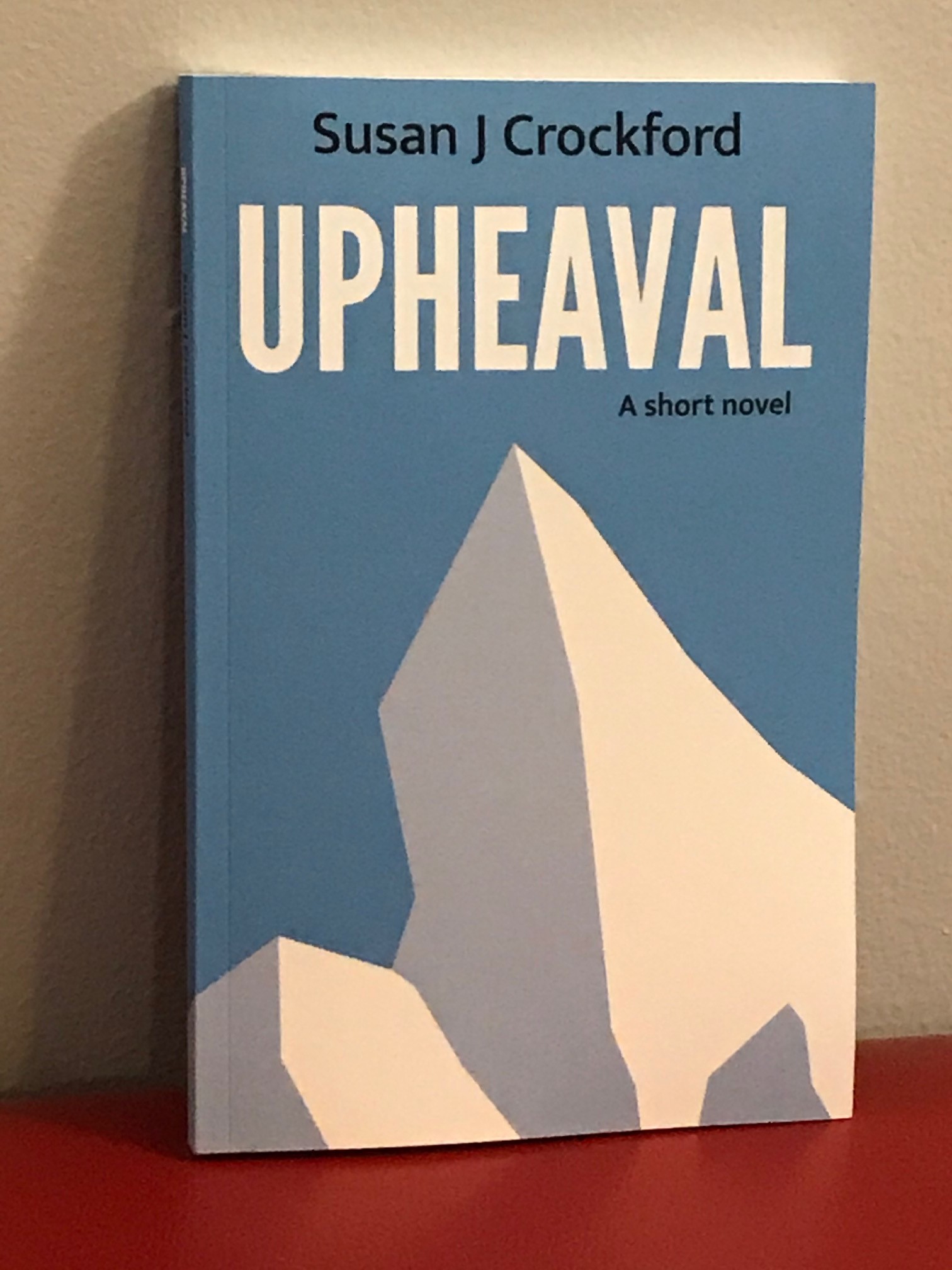
Comments Off on Reviewer says my new ice tsunami novel is ‘unputdownable’
December 21, 2020 in Book review
Tagged fiction, good read, maritimes, polar bear, sea ice, stories, tsunami
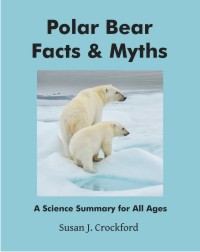
In this short interview clip with Friends of Science director Michelle Stirling, I talk about Polar Bear Facts & Myths (for kids 7 and up) and EATEN, my science-based polar bear attack thriller that’s appropriate for older teens and young adults. Both are available in paperback and ebook formats, while the paperback version of Polar Bear Facts & Myths is also available in French, German, Dutch, and Norwegian.
Polar Bears: Outstanding Survivors of Climate Change is also suitable for teens and young adults and is fully referenced.
Comments Off on Polar bear books for kids and young adults are the perfect antidote for climate anxiety
Posted in Book review, Life History, Population, Sea ice habitat
Tagged Eaten, facts, Facts and Myths, Friends of Science, interview, outstanding survivors, polar bear, science book, sea ice, video
I spent an hour earlier today talking to radio show host Dennis Prager about my new book and the corruption of polar bear science in the name of climate change. Having read the book, he was properly outraged to learn about the New York Times hit piece on me from April of last year, as were others at the time (see here and here).

The interview today took up the last hour of Prager’s time slot, for those who want to listen can find it here.
Comments Off on Dennis Prager radio interview and the sleaziness of the New York Times
Posted in Advocacy, Book review, Summary
Tagged caststrophe, deniers, Erica Goode, facts, New York Times, personal attacks, polar bear, science, sea ice
This 10 minute television interview aired a few hours ago on The Bolt Report (Sky News Australia, 26 March 2019). A short excerpt was made available as a tweet but a link to the full length podcast is below.
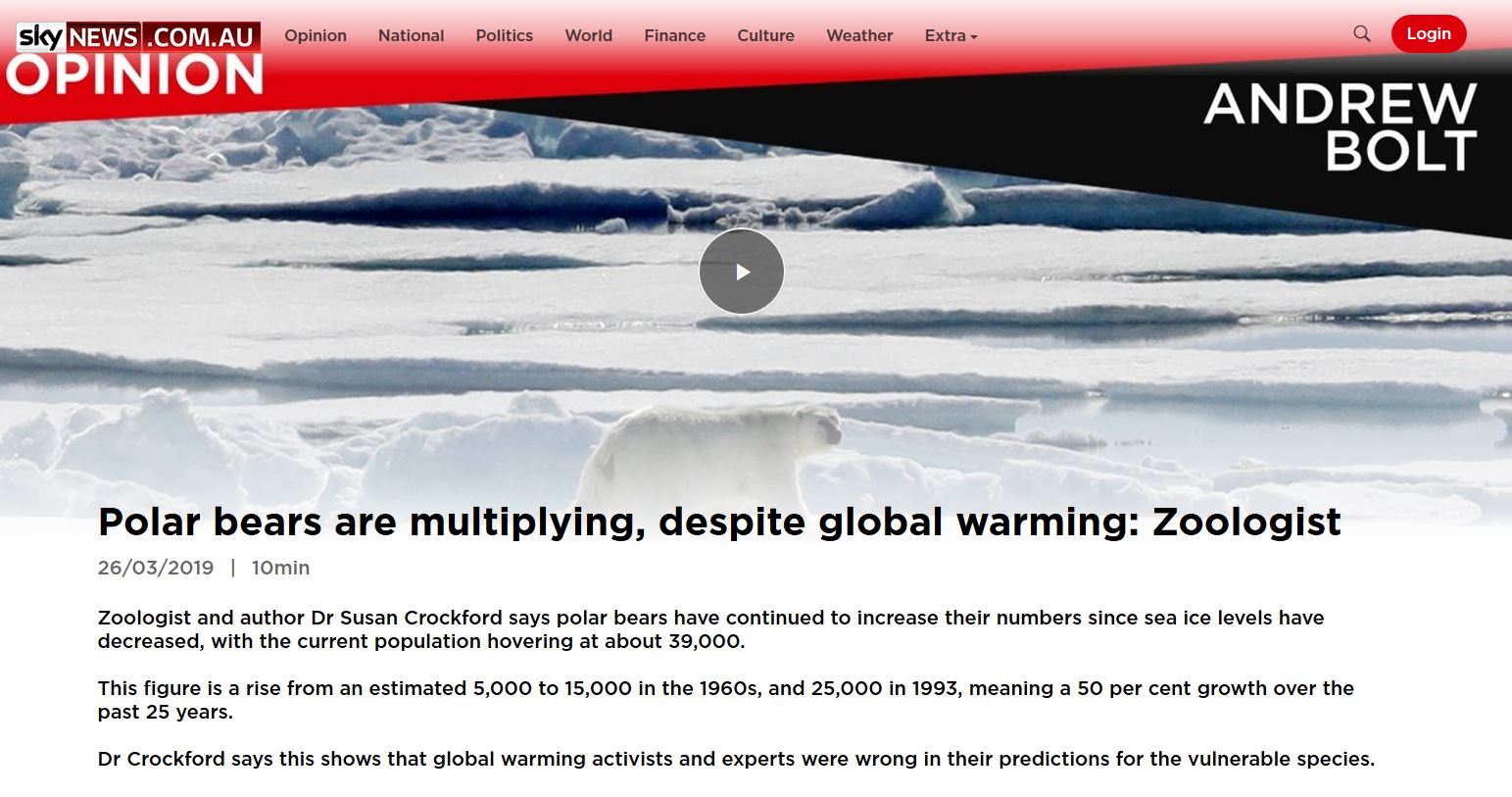
Ironically, despite the huge effort made by polar bear specialists and climate change activists to silence and discredit me over the last year or so, all it’s done is made more people willing to listen to what I have to say. My new book is selling phenomenally well and getting great reviews: if you haven’t ordered your ebook or paperback copy, you can do so here.
Comments Off on Full podcast of TV interview with Andrew Bolt in Australia talking about polar bears
Posted in Book review, Polar bear attacks, Population, Sea ice habitat, Summary
Tagged book, catastrophe, estimates, interview, media, numbers, podcast, polar bear, population, predictions, sea ice, TV
Yesterday (19 March 2019) I joined talk show host Glenn Beck to discuss polar bear numbers and my new book, The Polar Bear Catastrophe That Never Happened.
Here is their edited podcast of it that was posted on YouTube (about 4:30 minutes):
You can also just listen to the whole thing here.
Comments Off on Podcast of interview with Glenn Beck talking about polar bear numbers
Posted in Book review, Conservation Status, Polar bear attacks, Population, Sea ice habitat
On sale at Amazon today, my new full-length science book, The Polar Bear Catastrophe That Never Happened, published by the Global Warming Policy Foundation.
Paperback and ebook versions are available. See the GWPF press release here.
The official book launch is 10 April in Calgary, details below.
 The Polar Bear Catastrophe That Never Happened explains why the catastrophic decline in polar bear numbers we were promised in 2007 failed to materialize. It’s the layman’s story of how and why the polar bear came to be considered `Threatened’ with extinction and tracks the species rise and fall as an icon of the global warming movement. The book also tells the story of my role in bringing that failure to public attention – and the backlash against me that ensued.
For the first time, you’ll see a frank and detailed account of attempts by scientists to conceal population growth as numbers rose from an historical low in the 1960s to the astonishing highs that surely must exist after almost 50 years of protection from overhunting. There is also a discussion of what thriving populations of bears mean for the millions of people who live and work in areas of the Arctic inhabited by polar bears.
Title: The Polar Bear Catastrophe That Never Happened
Author: Susan J. Crockford
Publisher: Global Warming Policy Foundation
Publication date: 17 March 2019
Distrbutor: Amazon
Formats: Papberback and Ebook
Number of pages: 209
Order it here.
Continue reading
Comments Off on The Polar Bear Catastrophe That Never Happened is now for sale
Posted in Book review, Polar bear attacks, Population, Sea ice habitat, Summary
Tagged attacks, extinction, facts, models, number of bears, polar bear, population size, predictions, science, sea ice, threatened
The Polar Bear Catastrophe That Never Happened is almost here! The book is scheduled for release (in paperback and ebook formats) on Tuesday 19 March 2019. Tuesday is also the day I’ll be talking to Glenn Beck on his radio show (11 am ET) about polar bear population numbers and my book. How many polar bears are really out there now, you ask? My book has a credible new answer that may surprise you.

The official book launch event will be 10 April in Calgary, just ahead of the annual Friends of Science Climate lecture evening, where I’ll be presenting alongside astrophysicist Willie Soon. You can pick up an autographed copy of The Polar Bear Catastrophe That Never Happened there.

Comments Off on This week: New book release & Glenn Beck interview talking about polar bear numbers
Posted in Book review, Conservation Status, Polar bear attacks, Population, Summary
Tagged book launch, catastrophe, facts, hypothesis, polar bear, population numbers, release date, science, sea ice




 polarbearscience
You must be logged in to post a comment.