
Great Barrier Reef specialist Peter Ridd has just published an excellent video about my work and the way I’ve been treated by the scientific community just for pointing out that polar bear populations have failed to respond as predicted to the recent decline in Arctic sea ice.
Dr. Ridd has been treated equally abominably, as he explains here.
Here’s the video: Polar bears: They are going extinct!? 27 April 2024 [length 6:57]
The report Peter refers to in the video is this one, which was published in February 2024:

Crockford, S.J. 2024. State of the Polar Bear 2023. Briefing Paper 67. Global Warming Policy Foundation, London. Download pdf here.
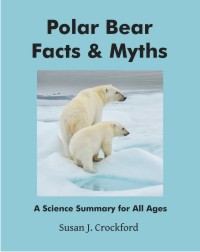
In other words, the polar bear catastrophe we were promised never happened. In case you missed it, I wrote a book about that. Polar bears across the Arctic are thriving: not just because their numbers have increased overall but because the field data collected from bears in regions that have had the most dramatic declines in summer sea ice, including the Barents Sea and the Chukchi Sea, show the bears are healthy and reproducing well.





 polarbearscience
You must be logged in to post a comment.