Tag Archives: predictions

“The Politics of Polar Bears” lengthy excerpt airs across Canada – cue the outrage

Umbrage alert! Last night, a half-length short form of the powerful and balanced documentary “The Politics of Polar Bears” aired across Canada on the CBC’s flagship TV news program, The National.

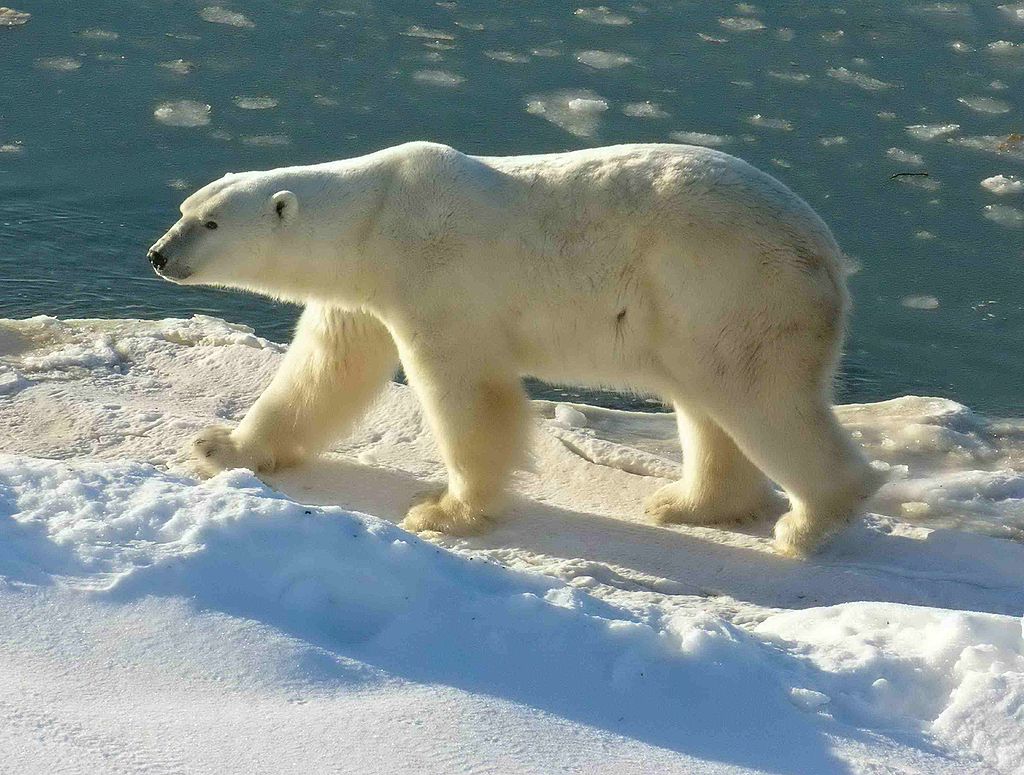
Polar_Bear_2004-11-15_Wapusk Nat Park_Wikipedia

Right after it aired, they followed up with a lengthy online summary by the producer of the film, Reg Sherren (Polar bears: Threatened species or political pawn?”, September 2, with video of the 19 minute short program). Check out the comments below it! Excerpts and my comments below.

[Links to the full length film here and in my previous posts here and here]

UPDATED April 27 2015: Video now available on Youtube, imbedded below Full length video no longer available, short one at CBC here.

Continue reading

PBSG determined to see polar bears listed as threatened by the IUCN in 2015

IUCN Polar Bear Specialist Group conservation biologists are determined to have polar bears listed as ‘threatened with extinction’ by the International Union for Conservation of Nature (IUCN) in 2015 – even though the bears would not meet that classification if assessed today.

According to the minutes of their last meeting (in addition to the astonishing admissions from sea ice experts I reported yesterday), PBSG members are busy planning their strategy. They have thrown objectivity to the wind and are certain they can find a way to mask overcome the inadequacies of their case and see polar bears remain listed as ‘vulnerable’ (IUCN-equivalent to ‘threatened’ in the US) on the 2015 IUCN Red List update.

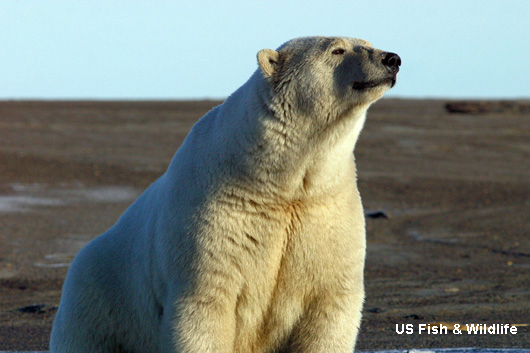
polar-bear_USFWS labeled

Along with some other priceless quotes, the minutes reveal their plan. See the original document for the context of these quotes here and an excerpt of “the plan” (pgs. 12-17) here. Continue reading

Sea ice experts make astonishing admissions to polar bear specialists

Climate scientists specializing in future sea ice predictions made some remarkable statements to polar bear scientists at their last meeting – admissions that may really surprise you.

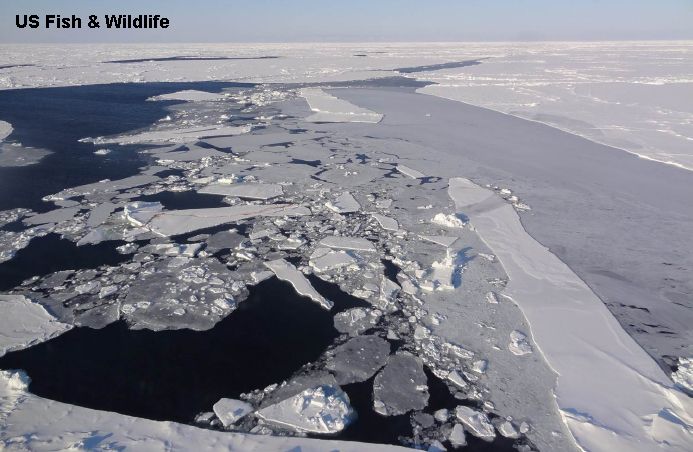
USFWS_PolarBearNews2013_pg5 labeled

Back on June 26 (reported here), the IUCN Polar Bear Specialist Group (PBSG) posted a summary of its last meeting. So, I was very surprised to find (while there looking for something else), that on 18 July 2014 they had added minutes from the meeting to that summary.

These minutes are a bonanza because among the juicy nuggets of information is a summary of what the three invited climate scientists from Colorado (Jennifer Kay, Mark Serreze, and Marika Holland) had to say and what questions were asked. While real transparency would have involved posting copies of the sea ice presentations and transcripts of the question and answer sessions, this is certainly better than nothing.
Continue reading

Bearded seals in Alaska face no serious threat of reduction, let alone extinction, judge rules

Here’s a significant turn of events involving a story I reported on earlier: a US District Court judge ruled on Friday 25 July 2014 that the Bering/Chukchi Sea population of bearded seal (Erignatha barbatus) was improperly given ‘threatened’ species status in 2012. Judge Beistline ordered the National Marine Fisheries Service (NMFS) to correct deficiencies in its study of the population.

Bearded seals are important secondary prey species for polar bears in some regions of the Arctic (Thiemann et al. 2008), after ringed seals (which were also listed as ‘threatened’ in 2012).

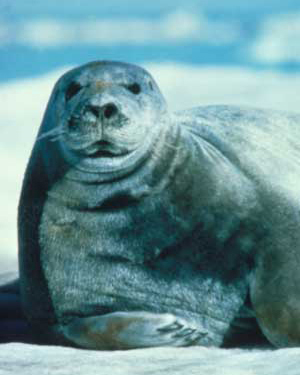
beardedseal-mspindler-usfws

Among other points made in his written decision, the judge is quoted as saying (reported here):

“A listing under the ESA based upon speculation, that provides no additional action intended to preserve the continued existence of the listed species, is inherently arbitrary and capricious.” [my emphasis]

Arbitrary and capricious — now that’s a slap-down. He also reportedly called the ESA listing “an abuse of discretion.”

The question is, how often have other ESA listings – not challenged in court – been based on similarly arbitrary and capricious decisions that also involved an abuse of discretion?

More quotes from Judge Beistline’s decision, and reaction to it, below.
Continue reading

Are Polar Bears Really Endangered?

Christina Wu at the Urban Times (July 3, 2014) recently asked this question. She came up with a surprisingly balanced argument but some predictable responses from IUCN Polar Bear Specialist Group (PBSG) biologists. As a consequence, she overlooked some critical facts that make a big difference to the answer.

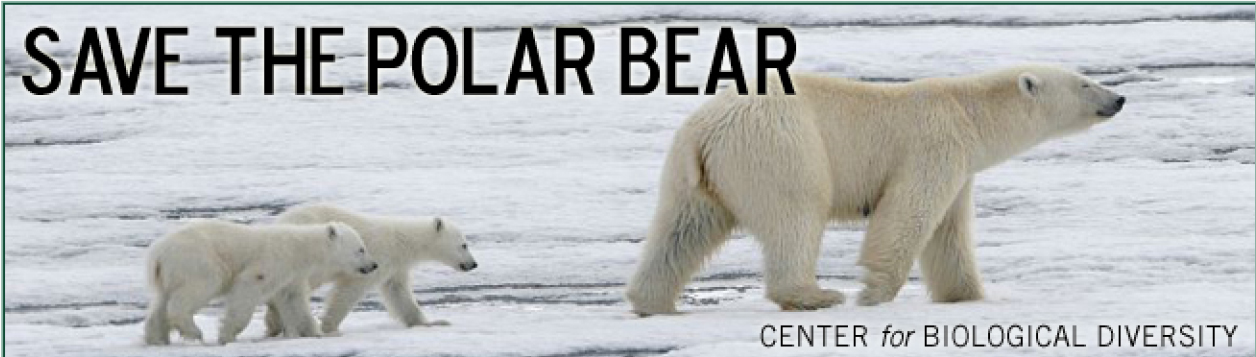
Figure 1. Are polar bears really endangered? The US Fish and Wildlife Service thinks so, but only because Steven Amstrup, based on a computer model projecting sea ice out to 2050, said so (Amstrup et al. 2007). This information has been used by the Center for Biological Diversity and other NGOs, like WWF and Polar Bears International (where Amstrup is now employed), to solicit donations.

Figure 1. Predictions of polar bear population declines by 2050 are being used by the Center for Biological Diversity, WWF and Polar Bears International to solicit donations.

UPDATED 18 May 2015 – see below.

Continue reading

Center for Biological Diversity provides a public disservice on polar bear status

Media agency Aljazeera gave free advertizing the other day (June 16, 2014, “New TV ads focus on plight of polar bears in warming world, by Renee Lewis) to the Center for Biological Diversity’s TV fear-mongering campaign about polar bears.

USFWS photo

USFWS photo

With unmitigated gall, it’s being billed as a “public service announcement.”
Continue reading

What about the polar bears? Disconnect between predictions and observations

With all the talk this week about future climate – the global warming imagined by IPCC crystal ball models, that is – the focus for many is rightly on the gulf between predictions and observations that have taken place so far. This follows on reminders a few weeks ago of the many failed predictions that we would have seen an “ice-free Arctic” by now.

[by “ice-free” they mean “nearly ice-free,” or “when ice coverage is less than 1 million square kilometers, or about 386,000 square miles.”]

But what about the polar bears? Is there a similar disconnect between predictions and observations for polar bear survival? Yes, indeed.

Many Arctic biologists insist that polar bears are not just threatened by future global warming and a “melting ice cap.” They contend polar bears are already being harmed by declines in summer sea ice coverage, or will be shortly.

The problem is, the results of scientific studies show otherwise. Virtually all of the evidence generated by polar bear researchers shows that polar bears are not being harmed by declines in summer sea ice, and in some cases, they are doing very well indeed. In other words, they are not responding as expected.

A few weeks ago, I summarized these studies, which reveal that:

Less summer ice ≠ few bears (evidence from Davis Strait; S. Hudson Bay; Barents Sea; S. Beaufort; W. Hudson Bay).

Less summer ice ≠ “skinnier” bears (evidence from Chukchi Sea; S. Hudson Bay).

“Skinnier” bears ≠ fewer bears (evidence from S. Hudson Bay; S. Beaufort; Davis Strait).

Less summer ice ≠  lower cub survival (evidence from S. Hudson Bay; Chukchi Sea).

Less summer ice ≠ more cannibalism & hybridization

Have a look if you missed it (August 18, 2013, with pdf copies to download), “Polar bears have not been harmed by sea ice declines in summer – the evidence.”

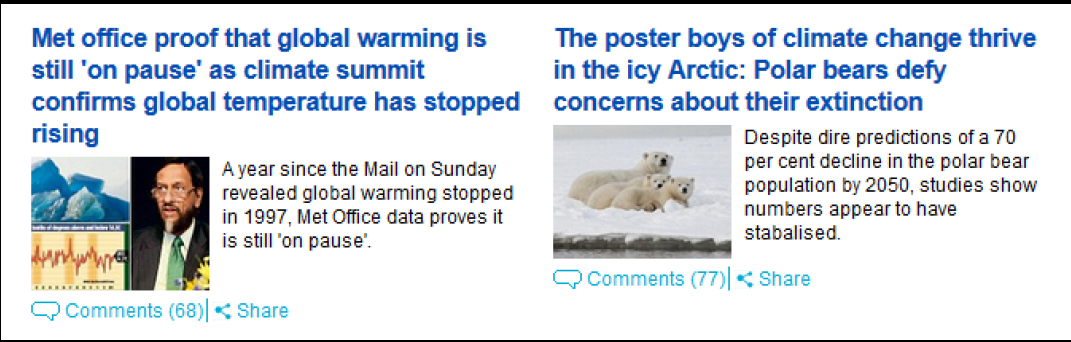
[Update Sunday Sept 29 2013: these two stories (on the temperature pause and polar bears thriving (in which I get a mention), just out in the Mail on Sunday (UK)]

Mail on Sunday_Temp pause and polar bears_Sept 29 2013