
Reports over the last week of an unexpected abundance of polar bears onshore in East and Southwest Greenland have locals and tourists concerned. The former Prime Minister of Greenland claims the unusual number of bear sightings and problems with bears near communities (including an attack involving serious injury to a German researcher) are due to abundant sea ice offshore. This explanation is contrary to what polar bear specialists predict: i.e., that problems with bears occur when there is less ice than usual. None of the bears sighted have been described as thin or starving.

The Polar Bear Specialist Group has previously estimated that there are only about 650 bears in East Greenland, while a recent study estimated that an additional 234 bears lived in SE Greenland.
“Polar Bear Boom May Threaten Greenland Adventurers” (25 July 2024)
Polar bears don’t often show up in Southern or Western Greenland any more, but this year has been an exception. Only yesterday, two appeared near Nuuk, Greenland’s capital. And according to Aleqa Hammond, Greenland’s former Prime Minister, that’s just been the tip of the, well, iceberg.
“There are bears everywhere in West Greenland this year,” she told ExplorersWeb. “Quite a few have been way too close to towns in South Greenland this summer, too. Several polar bears have been shot in Qaqortoq, as the bears were literally in town.”
“Another polar bear shot in Ittoqqortoormiit” (25 July 2024)
Another polar bear has been observed – and shot as an emergency – in Ittoqqortoormiit on Thursday morning. This is confirmed by the head of duty at the Greenland Police, Jørgen Madsen, to Sermitsiaq.
It is the second time a polar bear has been shot in emergency situations in Ittoqqortoormiit this week. On Tuesday evening around 19:30, the police received a report about a polar bear that had been shot in an emergency.
Here, the police could say that the polar bear came close to a dog crate, and then headed directly for a soccer field where children are playing.
“Man Survives Polar Bear Attack in Greenland” (30 July 2024)
Last week, a polar bear attacked a German researcher in East Greenland. The researcher, part of a team on Traill Island, encountered the bear on Friday morning.
Continue reading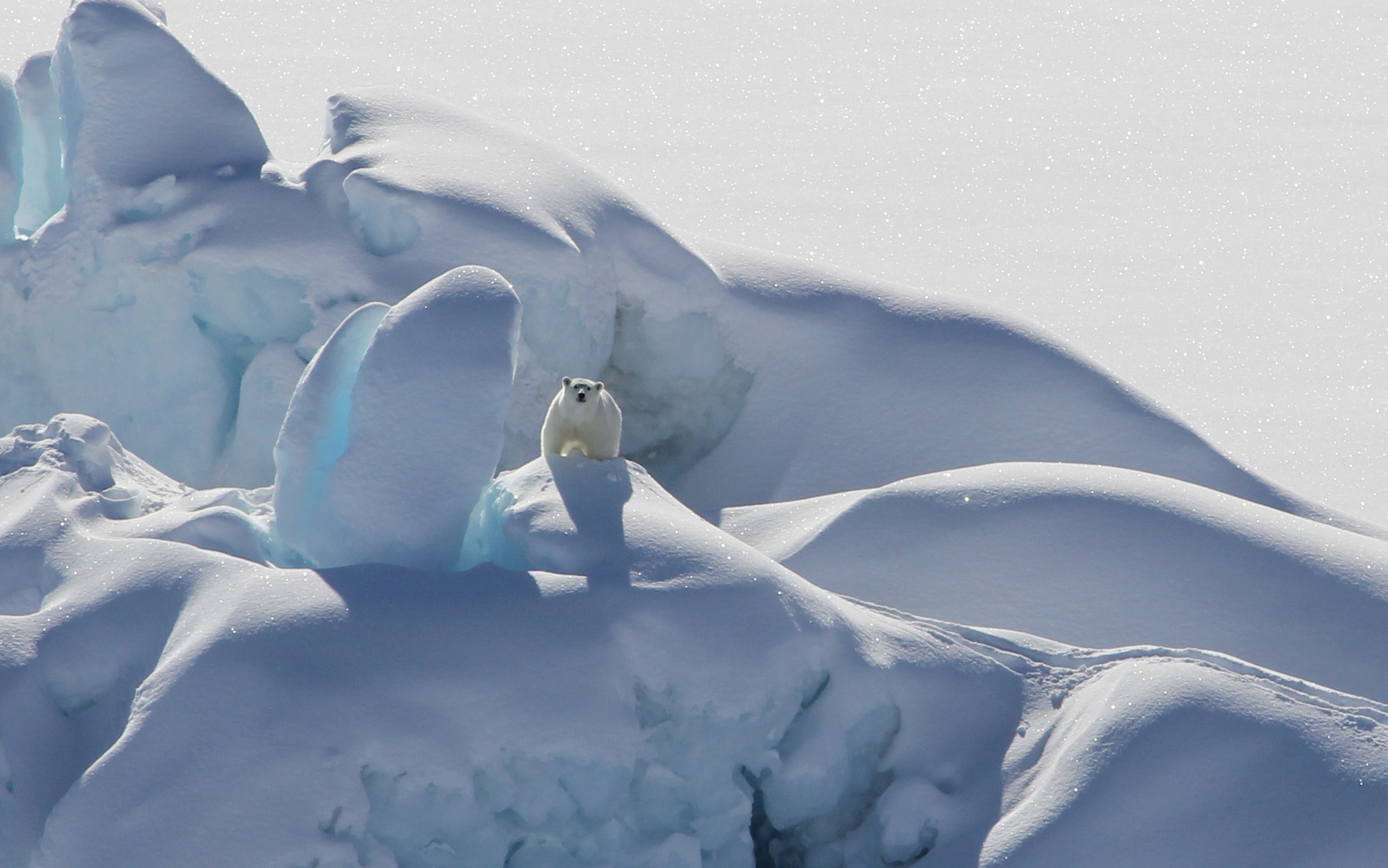







 polarbearscience
You must be logged in to post a comment.