Tag Archives: population decline

Walrus and polar bear population size changes in the N. Atlantic over the last 20k years

This is a lesson in how to assess the potential worth of scientific papers. One of two similar Arctic evolution studies got media attention, at least in Canada — about the polar bears, of course — but in my opinion the walrus research conclusions are much better supported, less biased by climate change rhetoric, and lack the hubris present in the polar bear paper.
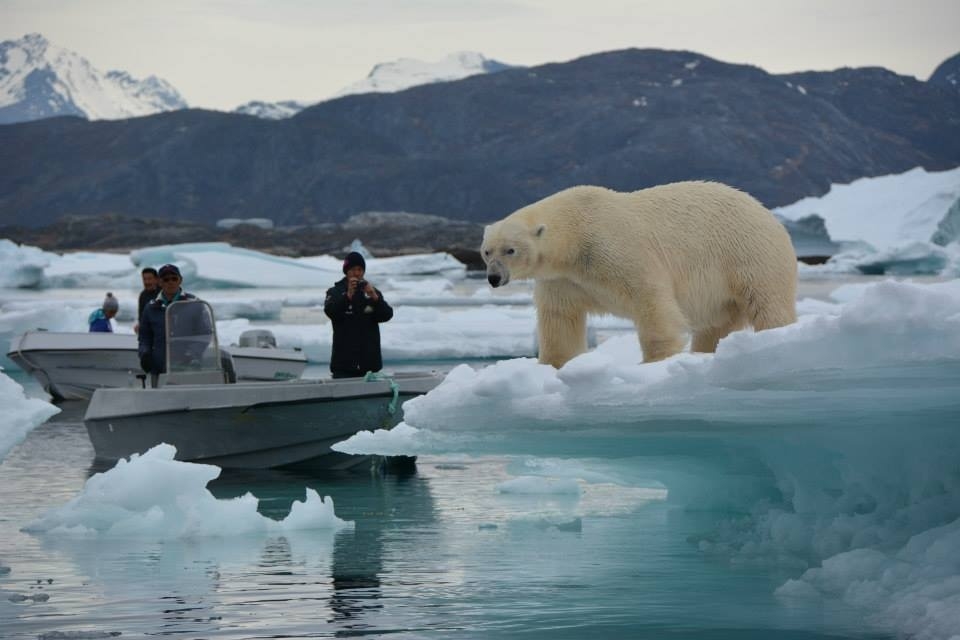
Both studies use similar sample sizes for the regions they had in common (North Atlantic) and used computer models to determine genetic diversity and population size changes since the LGM. However, the tone of the walrus paper was less emotionally-charged and the caveats of the work were appropriately stated. In my opinion, papers like the polar bear example contribute to eroding the public’s trust in science.
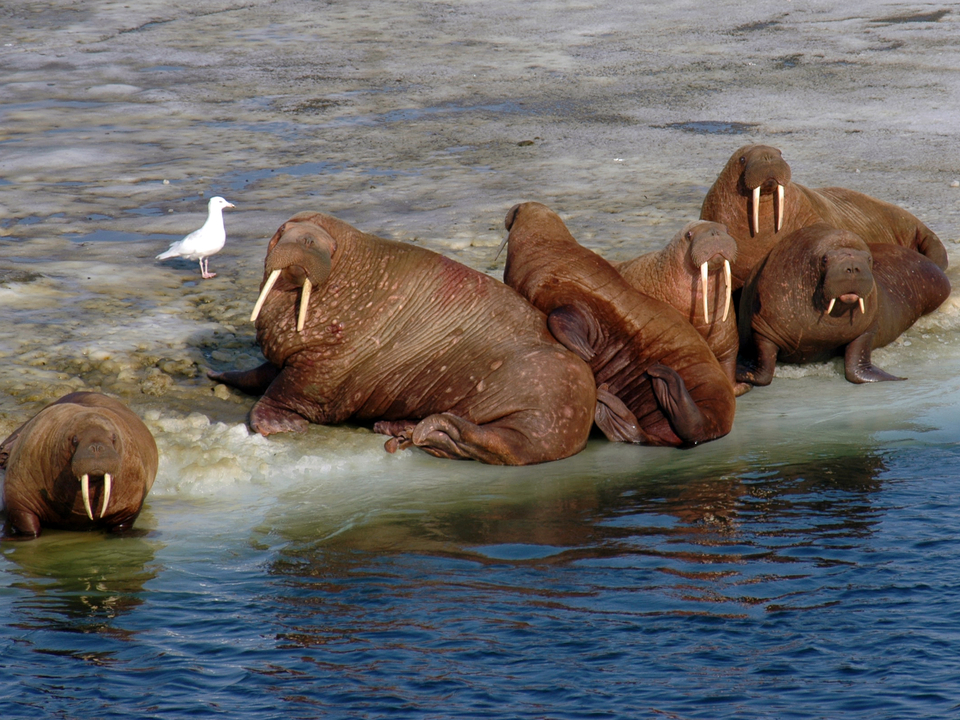
The last Ice Age peaked between about 27,000 and 19,000 years ago. At this time the Arctic was buried under kilometers of glacial ice sheets, and so marine mammals were pushed southwards to areas of ice floes and more open water. Walrus survived in some areas of the Atlantic located further to the south, and as soon as climates warmed again, the ice edge retreated and walrus populations pushed quickly northwards again. This combination of warming and climate-driven dispersal led to local walrus populations becoming more genetically differentiated. Walrus study, Lund University press release 27 September 2023

Continue reading
Polar bear researchers hiding significant increase in Southern Hudson Bay numbers

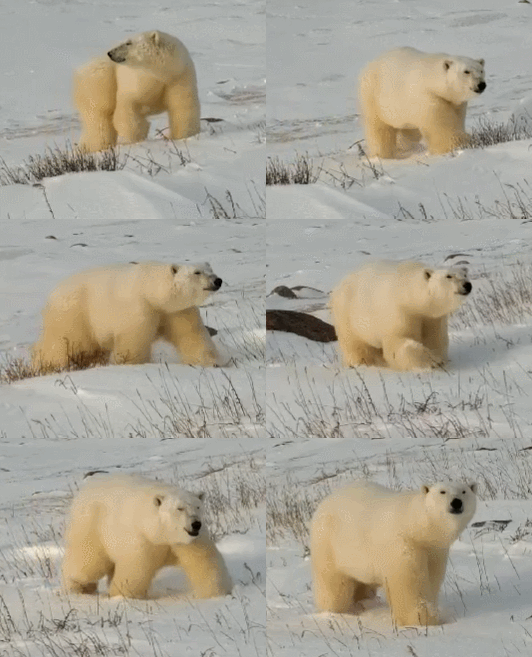
Last December, researchers vigorously promoted a possible 27% decline in Western Hudson Bay (WH) polar bear abundance but kept hidden the fact that adjacent Southern Hudson Bay (SH) numbers increased by 30% over the same period.

And surprise, surprise: the bombshell SH results call into question everything the ‘experts’ have been saying about polar bears in Hudson Bay for years.

Continue reading

W. Hudson Bay polar bear numbers declined 27% in 2021 but not because of missing ice: secret paper

As will become apparent tomorrow, Western Hudson Bay polar bear numbers apparently declined 27% between 2017 and 2021 but not because of sea ice loss. This fact, gleaned from a secret government report leaked to the media, emerged just before Christmas last year and spread around the world. I commented on it here at the time.

It will also be apparent tomorrow why that government report is still unavailable. Thursdays are when the big two science magazines publish their papers, which means associated news stores promoting preferred narratives are embargoed until then. Stay tuned.

Continue reading

Where were the starving W. Hudson Bay polar bears in 2020 if the population had declined by 2021?

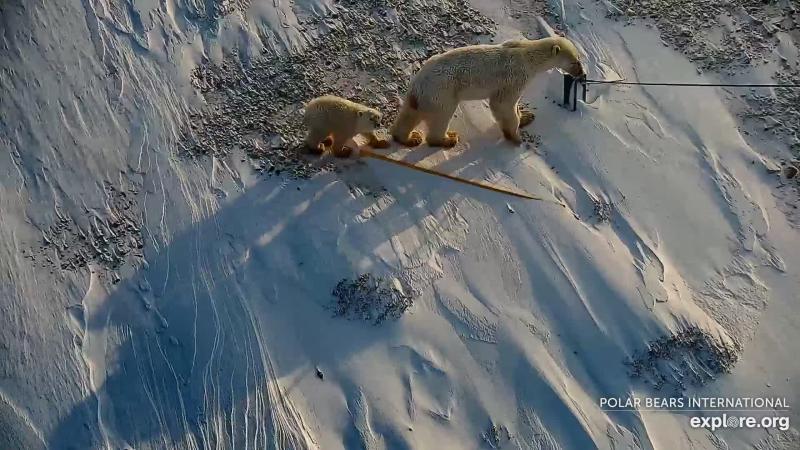
Polar bears are supposed to starve before they die, the experts said. They said only a few years ago that dead or emaciated individuals onshore were evidence that many polar bears would soon be dying of starvation out on the sea ice. So, if the Western Hudson Bay (WH) subpopulation had indeed dropped by 27% by late summer 2021 as researchers claimed, where are all the photos of starving bears in the fall of 2020, the year before the count? The photo below of a thin female and cub was taken in late fall of 2021 (the year of the count) by a stationary web cam. In other words, some bears came off the ice without an optimal amount of fat because of poor hunting conditions over the winter but they were still alive. We know that 2020 had the shortest ice-free season in at least 20 years (and no similar images were captured), so bears went into the winter of 2020/2021 in good condition. Ditto for 2017-2019. In contrast to 2021, in 2016 (the year of the previous survey that also indicated a declining population size), bears reportedly came off the ice in good condition.

All I’ve seen are photos of fat bears and fat cubs, even a triplet litter in fall 2020. The shore of WH near Churchill should have been abounding with starving bears in 2020 (and in 2015), if the experts were right about starving bears preceding a population decline. More importantly, where are the studies on food-deprived bears onshore, as were done in the 1980s when WH bears were emaciated and cub survival poor (e.g. Ramsay et al. 1988)? WH bears are being used exclusively to model an implausibly pessimistic future for polar bears across the entire Arctic (Molnar et al. 2010; 2020), which means lack of good science for WH polar bears has big consequences. Covid restrictions in two of those ten years don’t excuse lack of study on this phenomenon.

Continue reading

Still waiting for two thirds of polar bears worldwide to disappear due to lack of summer sea ice

It’s hard to believe that a polar bear specialist would claim that their predictions have come true, given the facts of the matter: that polar bears arguably number over 30,000 worldwide and regions with the most dramatic sea ice declines have not documented reduced polar bear health or survival. But in mid-July this year, Andrew Derocher – one of the field’s most vocal promoters – did just that: proclaimed on twitter that “virtually all of our predictions are coming true.” Except, none of them did, especially the most widely-promoted one, which failed spectacularly.

Continue reading

Polar bear habitat in Canada and eastern Alaska compared at end of June 2012-2020

Here is a quick compare and contrast of sea ice habitat for polar bears in Canada and the Southern Beaufort region of eastern Alaska near the end of June, 2012-2020.

Baffin Island Bylot Sound bear_smaller_shutterstock_1144169858

Similarities between Hudson Bay ice/open water in the sea ice charts below are striking. Ice cover at the end of June shown in these charts since 2012 reinforces the fact, documented in the peer-reviewed literature, that there has been no continued declining trend in dates of sea ice breakup for Western and Southern Hudson Bay since 1998 at least (Castro de la Guardia et al. 2017; Lunn et al. 2016). WH bears are still on the ice.

As a consequence, recent declarations of impending doom for Hudson Bay polar bears, based on claims of reduced population size and health of these subpopulations – which in any case are statistically insignificant for WH and SH (Obbard et al. 2018; Dyck et al. 2017) – must be due to some other cause (Crockford 2020).

In all areas, winds rather than melt due to increased temperatures drive much of the expansion of open water at this time of year.

Continue reading

Activist biologist filled with eco-anxiety shares unfounded fear of polar bear catastrophe

Misplaced eco-anxiety that kids have about polar bears starts with activist biologists like Steven Amstrup, spokesperson for an organization devoted to raising climate change alarm – and media outlets like The Guardian who help them spread fears unsupported by scientific evidence.

Kaktovik AK fat adult male polar bear mid September 2019_Ed Boudreau photo permission to use

Fat healthy polar bear male at Kaktovik, Alaska in the Southern Beaufort Sea, September 2019, Ed Boudreau photo, with permission.

You can’t get much more over the top than these statements from Amstrup today but read carefully: it’s either opinion or factual aspects of polar bear life (“we know that the bears aren’t feeding”) made to sound like new, terrifying developments that can be blamed on climate change. Continue reading

Inuit and Western science are far apart on polar bear issues in Nunavut

Interesting summary and informed perspective from Nunavut News that’s worth a read on the issue of polar bear management in Nunavut (29 November 2018: “Inuit, Western science far apart on polar bear issues”).

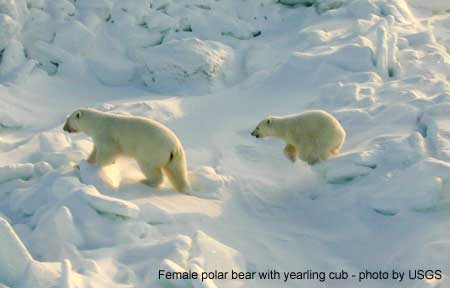
sow_yearling_USGS

“Nirlungayuk said the predictions made by Western science for the polar bear populations in western Hudson Bay and Baffin Bay were, in a word, wrong.

He said they need to look closely at those predictions and determine how they got them wrong.

“From a scientific perspective, I would challenge the scientific community to take another look at both western Hudson Bay and Baffin Bay to explain why the predictions that were being made back in the early 2000s up to 2018 were so wrong.

“A statement that came from Environment Canada was that the bears will keep on declining because of climate change even without hunting and that hasn’t happened.”

 Read the rest here.

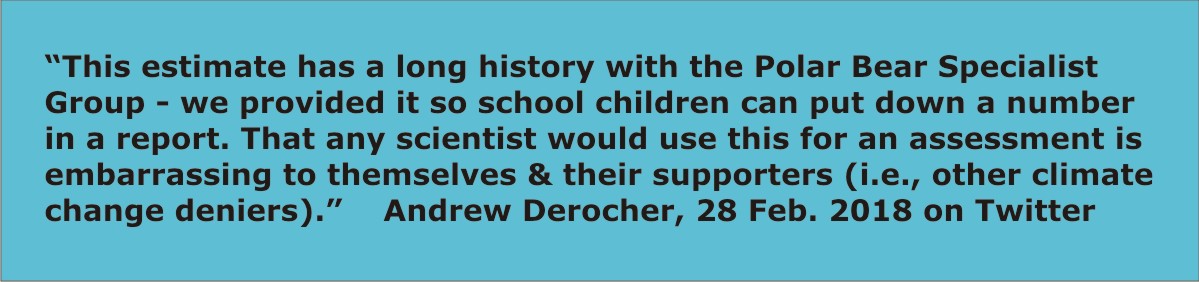
Polar bear population numbers are for kids, says specialist Andrew Derocher

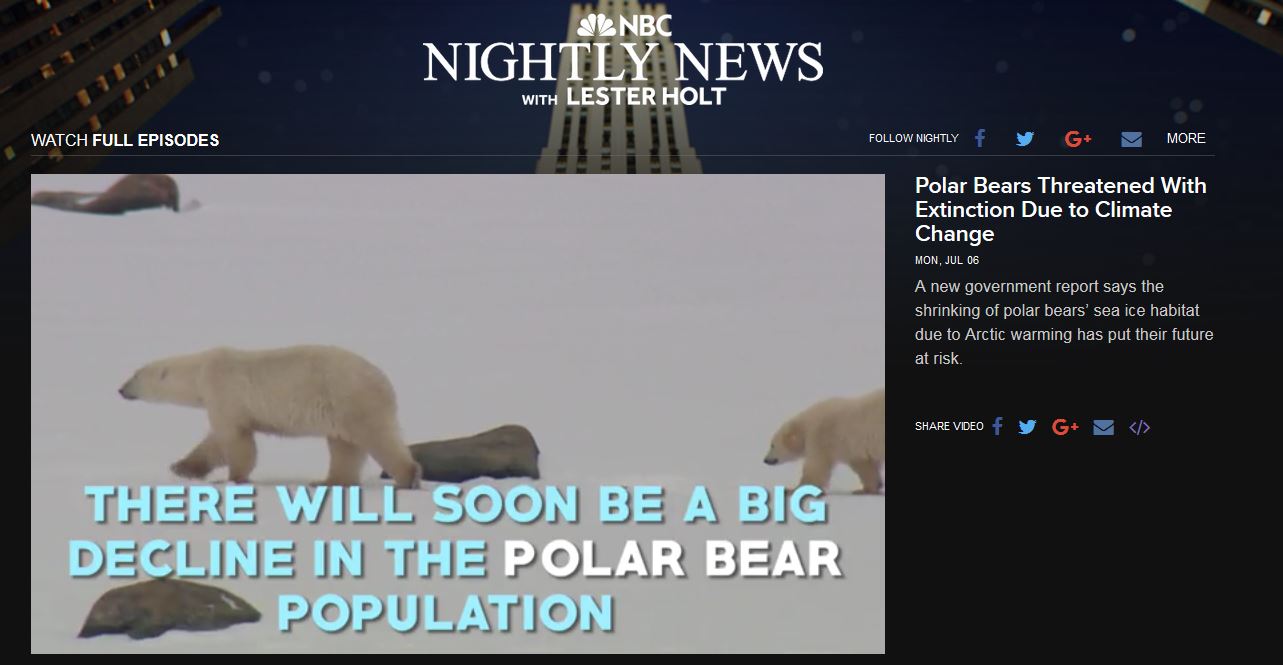
Polar bear specialists made global population numbers the focus of the world’s attention when they predicted a dramatic decline and possible extinction of the species. But now that the numbers have increased slightly rather than declined, the same scientists say global numbers are meaningless: the public should give those figures no credence and anyone who cites global population numbers should be mocked.

NBC 2015_3 there will soon be a big decline in polar bear numbers snap

See the screen shot from a 2015 NBC news video above and another from the science journal NATURE in 2008 below (Courtland 2008):

Courtland 2008 headline

Yet, below is a recent message from one of the world’s most vocal polar bear specialists, four years after a similar incident raised the public’s ire:

Derocher tweet 2018 Feb 28 quote

However, you can’t make a plausible prediction of future survival without an estimate of present population size: not even today’s worst journalists would buy it, nor should they.
Continue reading

Fat polar bears [and lots of them] drive public confidence in future of the species

What is causing the death of the polar bear as a climate change icon? Fat bears are part of it, but mostly it’s the fact that polar bear numbers haven’t declined as predicted.

Western Hudson Bay polar bears around Churchill, Manitoba appear mostly in good shape this summer despite the very late freeze-up last fall, including the very fat bear caught on camera below (see more great pictures here):

Churchill_PolarBears_FAT bear post_21 Aug 2017

Not only have we been seeing pictures of fat bears rather than starving bears in recent years but there are lots of them, in Western Hudson Bay and other seasonal sea ice regions where there should be none (if the models had been correct). No wonder polar bears are falling out of favour as an icon for catastrophic human-caused global warming.

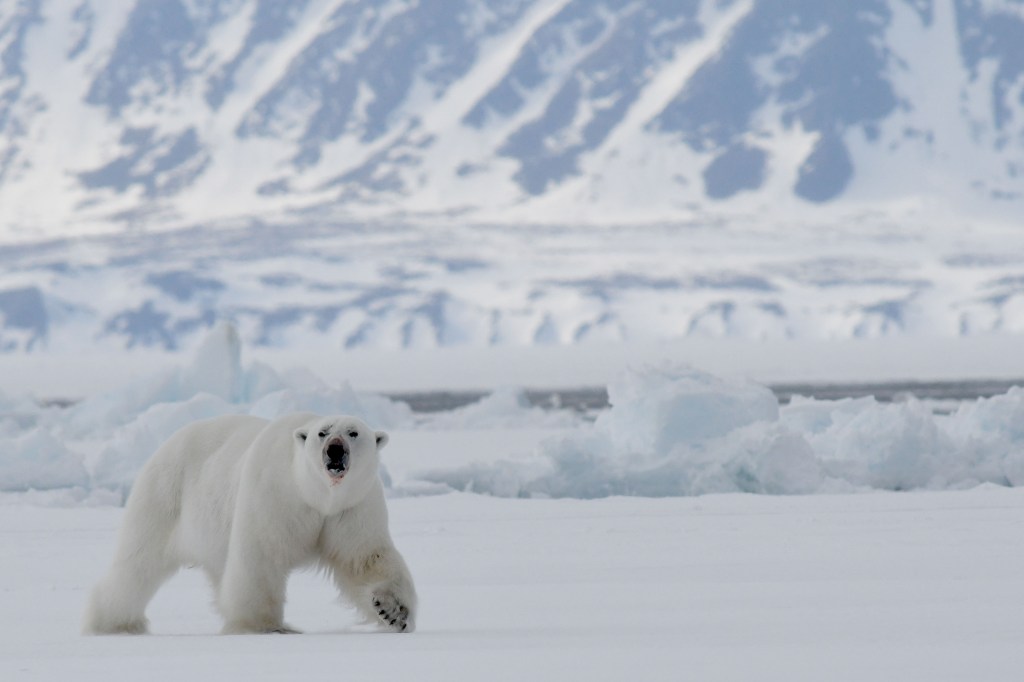
[Here’s another picture of a fat bear, this one from Svalbard]

Excuses for why the public is no longer worried about the future of polar bears include a recent claim by climate scientist Michael Mann that “by making polar bears and penguins the poster child for climate change, we have wrongly conveyed that this is some exotic problem far off.

But none of these apologists acknowledge the simple truth: the models that  predicted catastrophe for polar bears due to diminished summer sea ice turned out to be wrong. The sea ice declined but polar bears flourished. Polar bears in seasonal sea ice ecoregions like Western Hudson Bay and Baffin Bay didn’t die off due to climate change as people were told would happen — why should they believe any of the other scare stories?

In and around Churchill, where tourists flock to see Western Hudson Bay polar bears up close and personal, one bear in good condition recently ran through town:

Overall, there have been fewer problems or conflicts this year in Churchill compared to last (after 6 weeks of onshore living), see below.

Polar bears are no longer a useful global warming icon because they are thriving despite diminished sea ice: Churchill area polar bears are a good example.

Continue reading