Monthly Archives: July 2014

Are Polar Bears Really Endangered?

Christina Wu at the Urban Times (July 3, 2014) recently asked this question. She came up with a surprisingly balanced argument but some predictable responses from IUCN Polar Bear Specialist Group (PBSG) biologists. As a consequence, she overlooked some critical facts that make a big difference to the answer.
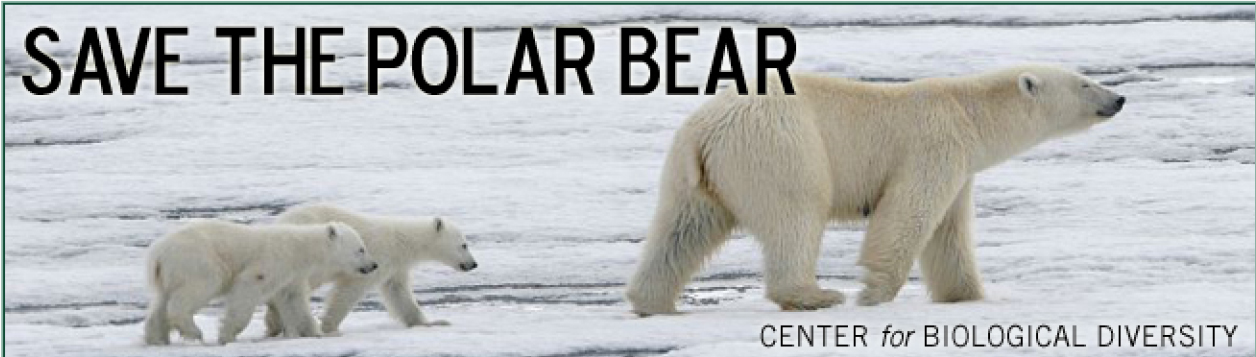
Figure 1. Are polar bears really endangered? The US Fish and Wildlife Service thinks so, but only because Steven Amstrup, based on a computer model projecting sea ice out to 2050, said so (Amstrup et al. 2007). This information has been used by the Center for Biological Diversity and other NGOs, like WWF and Polar Bears International (where Amstrup is now employed), to solicit donations.

Figure 1. Predictions of polar bear population declines by 2050 are being used by the Center for Biological Diversity, WWF and Polar Bears International to solicit donations.

UPDATED 18 May 2015 – see below.

Continue reading

Tracking polar bears in the Beaufort Sea: June 2014 map

Here is the June 2014 follow-up to my post on the July 2013 track map for female polar bears being followed by satellite in the Beaufort Sea by the US Geological Survey (USGS) – “Ten out of ten polar bears being tracked this summer in the Beaufort Sea are on the ice.”

See that post for methods and other background on this topic, and some track maps from 2012 (also available at the USGS website here).

The USGS track map for June 2004 is copied below (Fig. 1).

Compare this to May’s map (Fig. 2) – the 20 bears from last month are down to 14, and all seven of the bears outfitted with glue-on satellite transmitters in April [either males or subadult animals] have either moved out of the area or their tags have fallen off or stopped transmitting. This means that all of the bears shown on the June map below are females with satellite radio collars.
Continue reading

Polar Bear Specialist Group just had another secret meeting

Well, well, well — it looks the Polar Bear Specialist Group (PBSG) just had itself another secret meeting with some extra special guests.

pbsg logoPolar bear scientists and PBSG-approved activists got together a few weeks ago (June 9-13), with no notice beforehand, to continue discussions how (sic) to solve issues of future capacity.”

This was their “second intersessional members-only meeting in a row” (the first one was in October 2012), but they still haven’t had their regular, now long-overdue, “working meeting.” [they had the last one in 2009].

I came upon a notice about this meeting on the PBSG website, which apparently went up June 26, while looking for something else. There has been nothing about it in the media that I’ve seen.

And guess who were “invited specialists” at this meeting of “members-only,” called “to discuss internal matters crucial for the future functioning and capacity of the group”?

Three “climate scientists“!

Continue reading

How long have polar bears – and people – lived around Hudson Bay?

I came across a story in the news yesterday about the discovery of an archaeological site in northeastern Manitoba that brings to mind a post I wrote back in November 2012 on the geological and archaeological history of Hudson Bay.

As I noted then, most of the archaeological sites found on or near the coast of Hudson Bay are about 1,000 years old or less – and this new site fits that pattern perfectly.

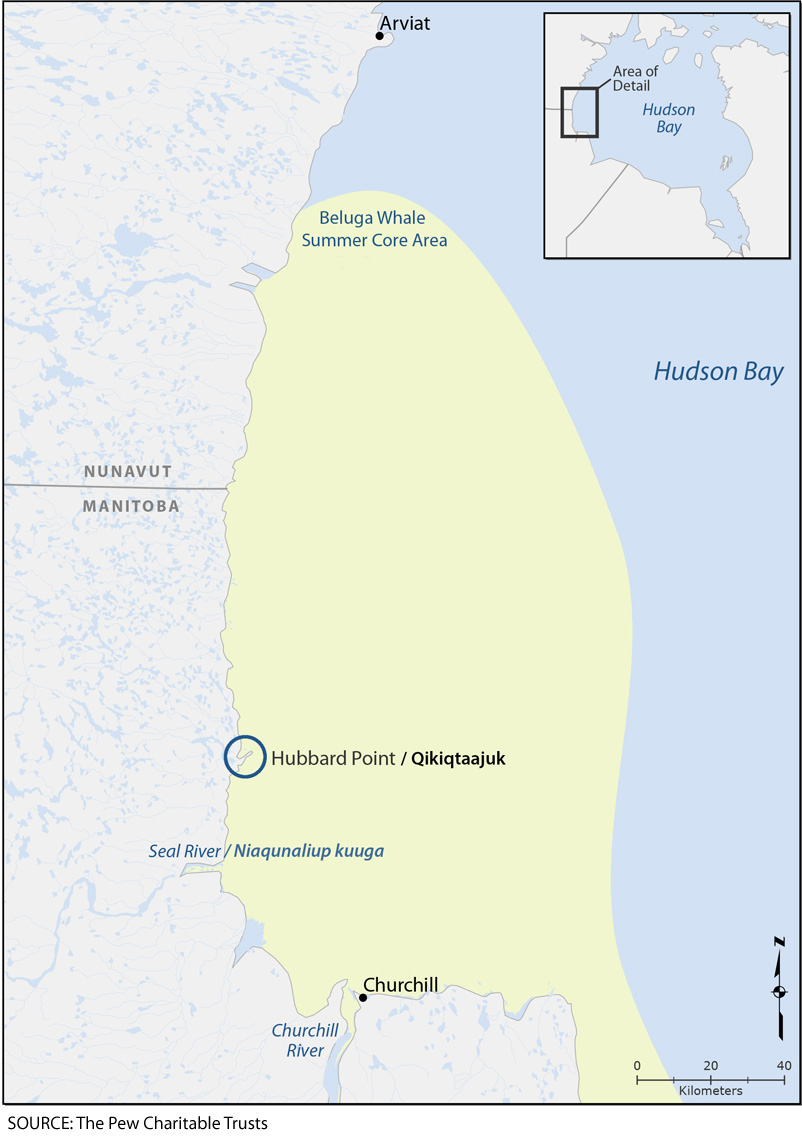
Hubbard Point Location Map with summer core area v1

A news report at the CBC (June 30, 2014) carried this description of the find, at a site called Hubbard Point, which sounds like it could yield polar bear remains: Continue reading