Tag Archives: prediction

New Hudson Bay sea ice modelling paper is more utterly useless fearmongering about polar bears

A new collaboration by sea ice and polar bear specialists that predicts a catastrophic future for polar bears in Hudson Bay (Stroeve et al. 2024) can be dismissed as yet another bit of utterly useless fearmongering for two reasons: 1) it’s a model projection that uses widely discredited SSP5-8.5 “business as usual” climate scenarios for its predictions; and 2) it’s based on the false premise that Western and Southern Hudson Bay polar bears have already suffered harm from reduced sea ice blamed on fossil fuel-caused global warming.
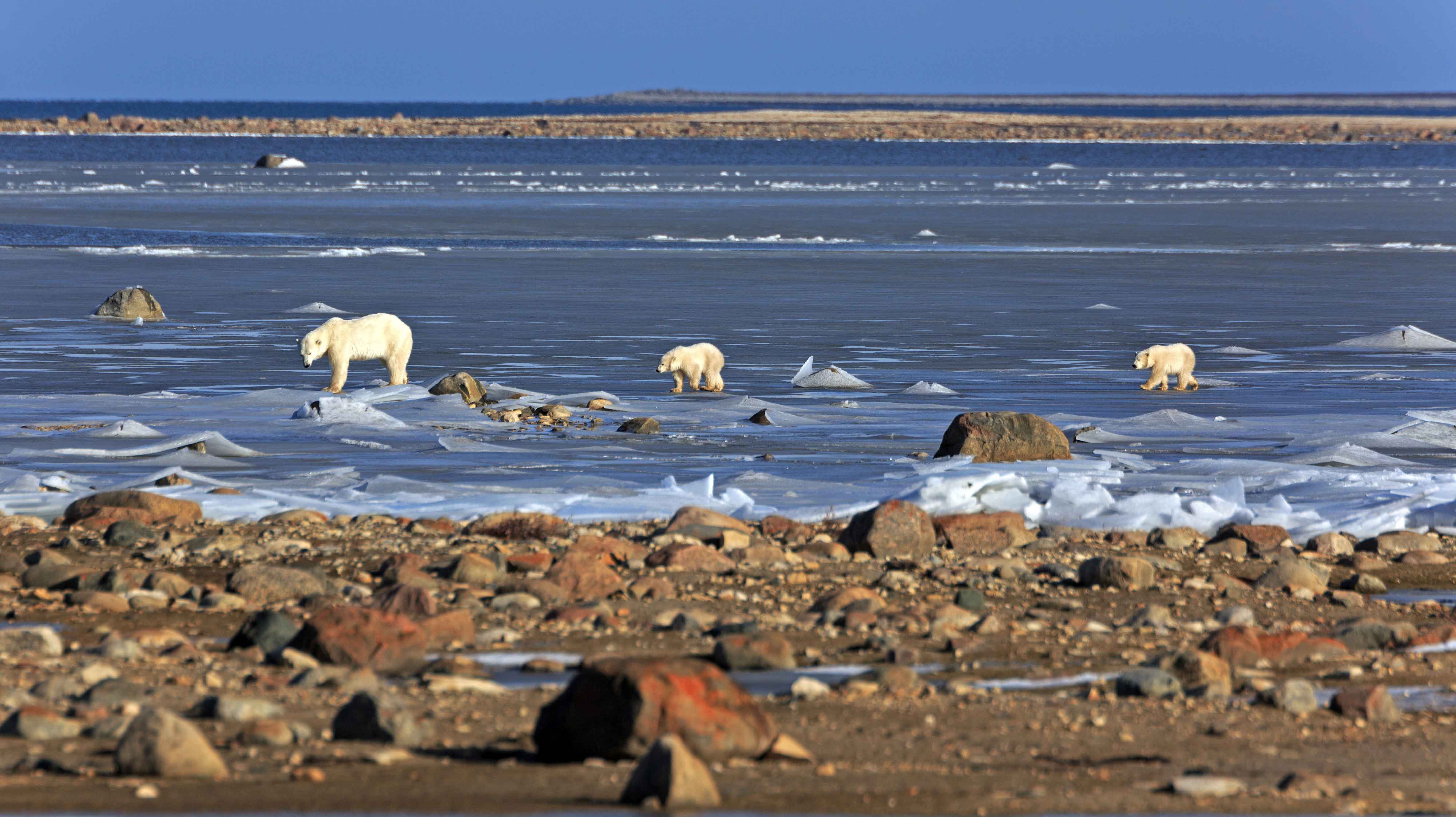
The fact that recently-deceased Ian Stirling was a prominent co-author should come as no surprise: his irrational promotion of the idea that future “climate warming” could doom polar bears to near-extinction – even after recording and publishing evidence to the contrary – will go down in history as an appalling violation of scientific principles.

Adding to the dubious validity of the paper: lead author Julienne Stroeve’s 2007 paper predicting summer sea ice decline by 2050 was proven wrong by actual data by the time it was published (Stroeve et al. 2007, 2014) and a more recent update failed to foresee the recent 17-year stall in decline. And co-author Steve Ferguson, a seal biologists, rashly stated in 2016 that Hudson Bay could be ice-free in winter as early as 2021 [which, needless to say, never came close to fruition].

I’d say if Southern Hudson Bay polar bears might be extirpated as soon as 2030, as the paper’s co-author Alex Crawford suggests, the global temperature and ice melt had better get a move on: a survey showed the SH population was thriving in 2021 and Hudson Bay sea ice hasn’t hit any kind of death spiral in the three years since.

Continue reading
Hudson Bay polar bears now considered most likely to survive future sea ice loss

Over the last 10 years, Hudson Bay polar bears have morphed from being the “most at risk” across the Arctic to the “least at risk.” Who would have thought?

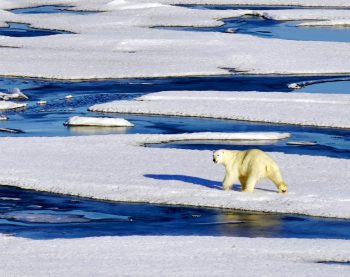
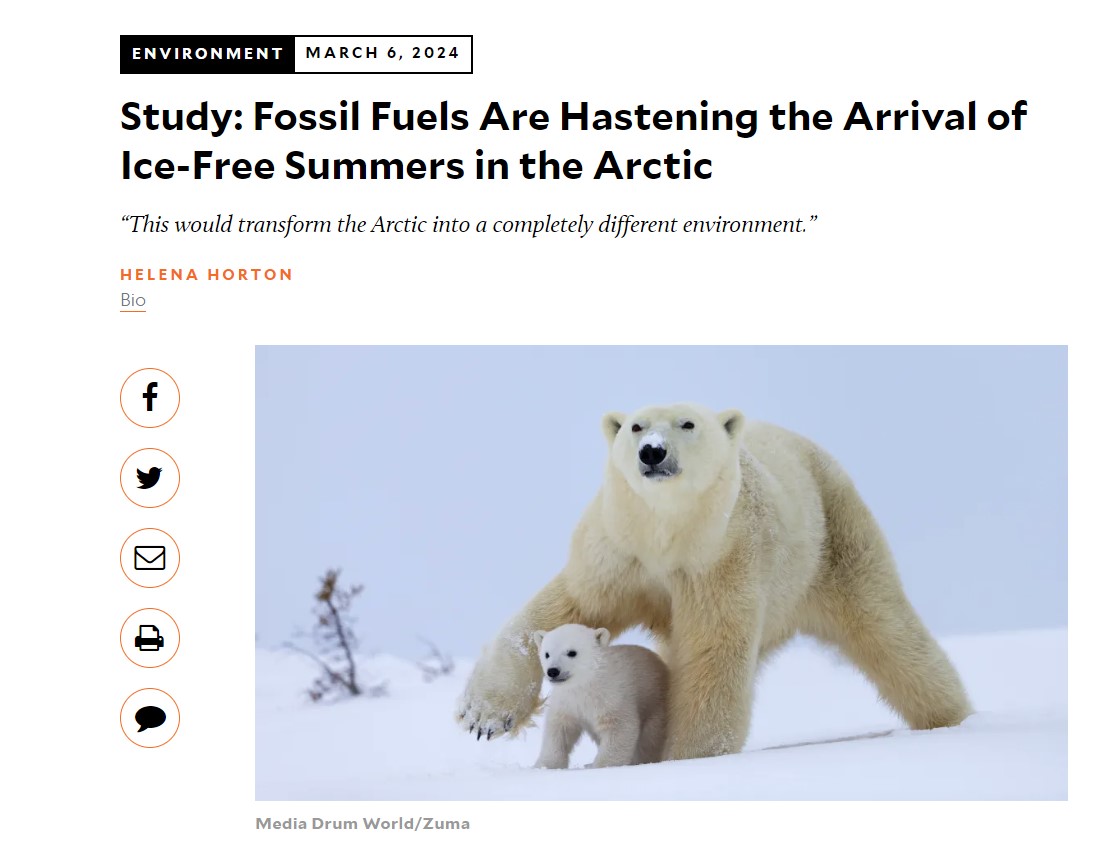
That’s probably because the experts now have to admit that polar bear numbers have not declined since 2004 and bears have been in good body condition since at least 2016. Southern Hudson Bay bears have apparently increased in number since 2016. How ironic is it that the photo above, taken in Hudson Bay — the only Arctic region where trees grow — was used to illustrate a recent Mother Jones article promoting a new prediction of future Arctic summer sea ice loss that’s said to pose a threat to polar bear survival.

Continue reading

Grizzly on the shore of W. Hudson Bay and two tagged polar bears still on sea ice at 17 August

A tundra grizzly was again caught on the live cam set up for polar bears last week (15 August) but was too late for interspecies hankypanky, even as some polar bears lingered on invisible offshore sea ice.

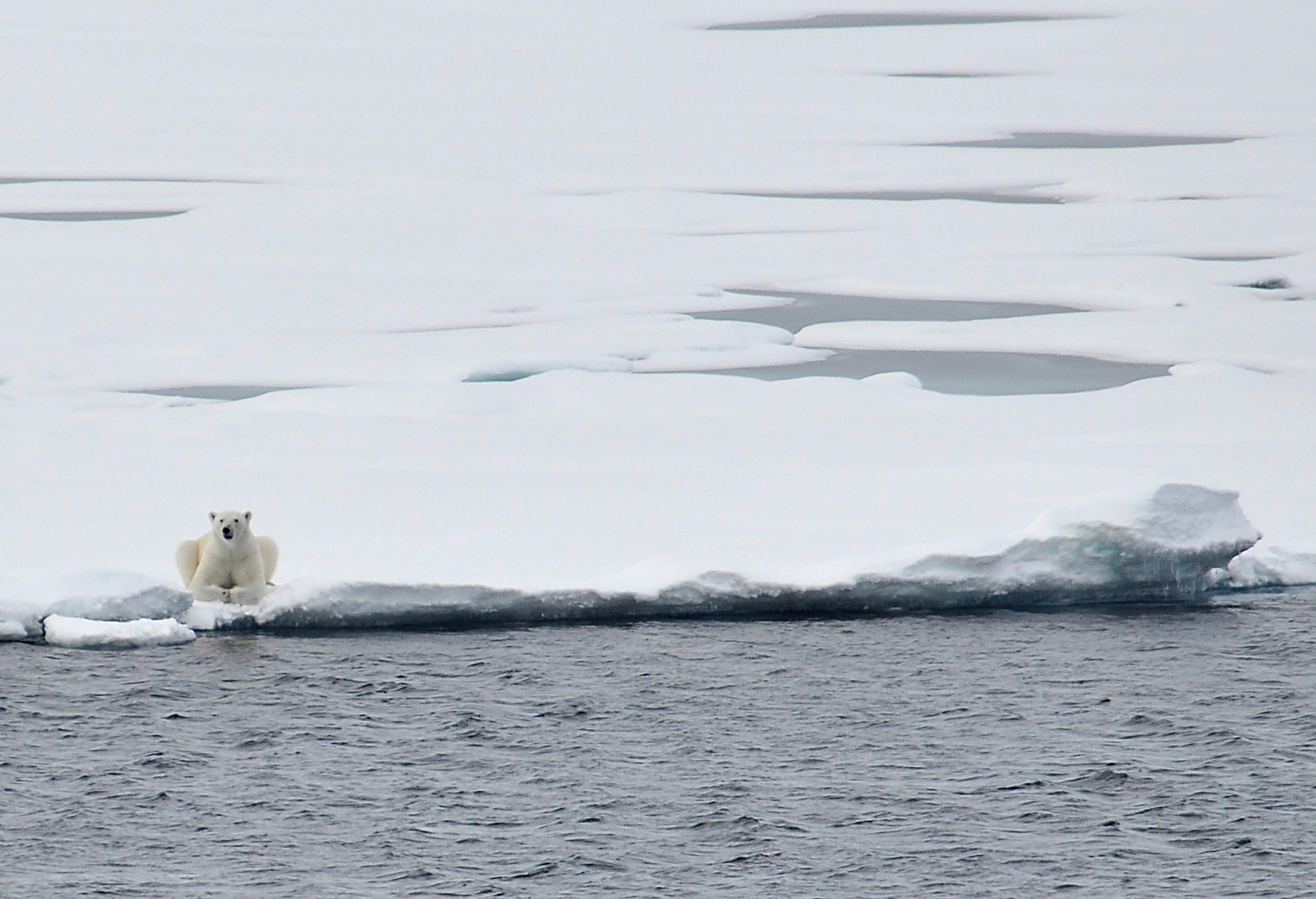
A polar bear rests on the ice Aug. 23, 2009, after following the Coast Guard Cutter Healy for nearly an hour in the Beaufort Sea.

Polar bear specialist Andrew Derocher reported that two of his 23 tagged polar bears were still on the sea ice, a phenomenon that’s been happening since at least 2015 at breakup. Instead of heading to shore when the sea ice concentration dwindles below 50% coverage, some bears are choosing to lounge around on decaying bits of ice, sometimes into late July or well into August, until they must finally swim ashore. There is no evidence that the bears continue to successfully hunt seals under these conditions but no evidence either that their choice to stay on the ice rather than move to land at this time of year has had any negative impact on their health or survival.

Continue reading

Conditions were not golden for polar bears in the 1980s despite what activist expert claims

Does the following statement stand up to scrutiny – i.e. a fact check – of the scientific literature on polar bear ecology?

In the 1980s, “the males were huge, females were reproducing regularly and cubs were surviving well,” Amstrup said. “The population looked good.”

[Steven Amstrup, Anchorage Daily News (Borenstein and colleagues), 5 November 2021: ‘How warming affects Arctic sea ice and polar bears’]
Steven Amstrup

In short, it does not.

Continue reading

Six good years in a row for the polar bear subpopulation used to predict species demise

In something resembling a new pattern for Western Hudson Bay polar bears, most of the animals are still out on the ice in late July this year, just like they were in the 1980s. The same thing happened last year but was brushed off as a happy anomaly. However, after last fall’s 1980s-like early freeze-up, this makes the sixth year in a row of good to very good sea ice conditions for Western Hudson Bay polar bears. No wonder polar bear experts haven’t published these data: good sea ice conditions along with polar bears coming ashore fat and healthy are not just inconvenient – they threaten to destroy the extinction panic narrative that depends on Western Hudson Bay bears showing evidence of harm from reduced sea ice.

WH 18 Sat July 2020 noon PT Cape East fat mother and cub_Wakusp NP explore dot org livecam

Fat mother and cub onshore at Wakusp National Park, Western Hudson Bay 18 July 2020, one of the first of the season.

Continue reading

Not predicted: more sea ice than average in southern-most Arctic first week of August

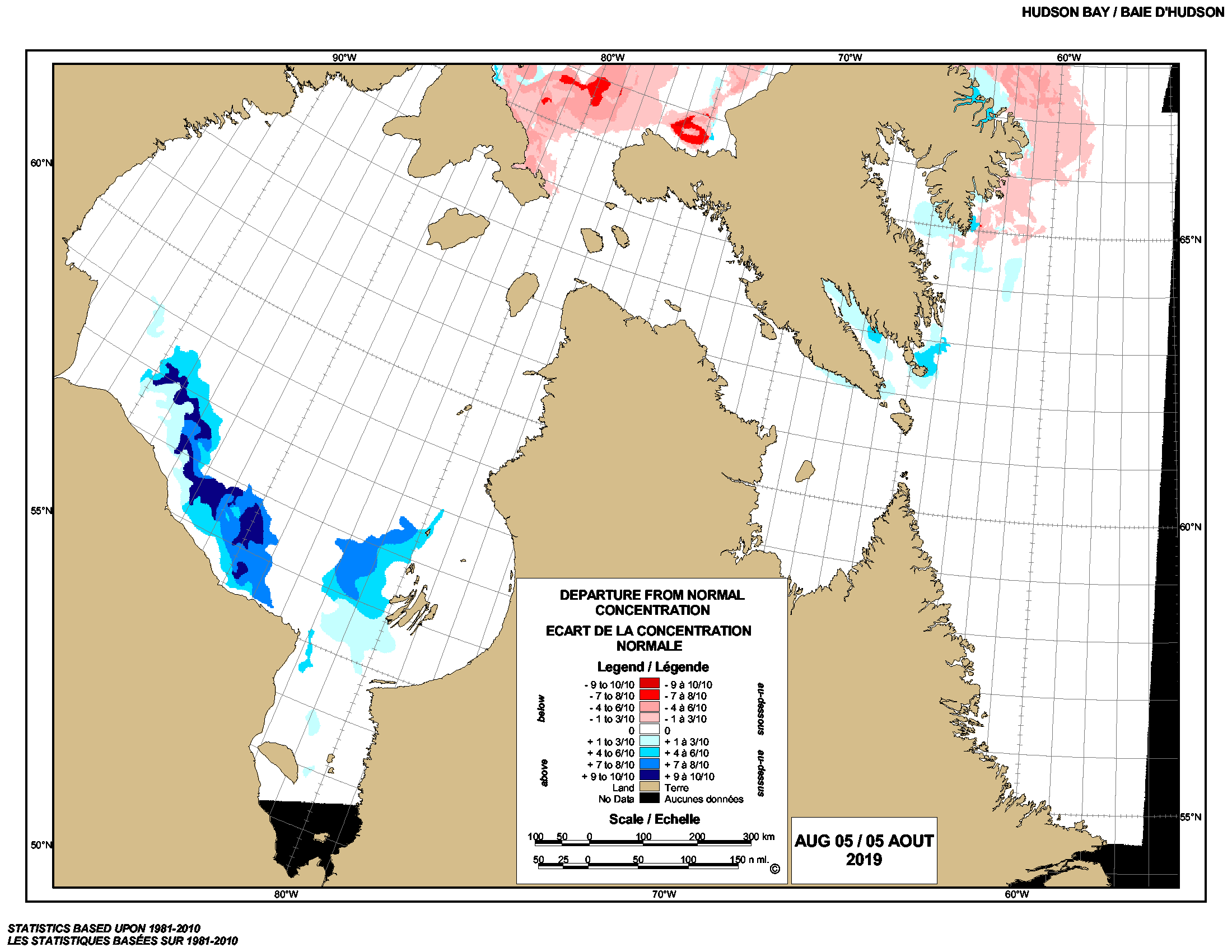
Polar bear habitat update for the first week of August 2019 shows there is still more sea ice than average in Hudson Bay, the southern-most area of continuous habitation for this species. That certainly wasn’t part of the predictions of doom, especially since freeze-up in that region for the last two years has also been earlier-than-average which means a shorter ice-free season than we’ve seen for decades.

Hudson Bay weekly departure from normal 2019 Aug 5

Despite ice coverage for the Arctic ice as a whole being marginally lower than it has been since 1979 for this time of year, sea ice for the first week of August was also above average around Svalbard in the Barents Sea and higher than the last few years in the Central Arctic, which is a critical summer refugium for polar bears that live in the peripheral seas of the Arctic Ocean, including the Chukchi (see photo below, taken in early August 2018).

Chukchi Sea polar bear Arctic_early August 2018_A Khan NSIDC small

Continue reading

Biggest threat to polar bears reconsidered

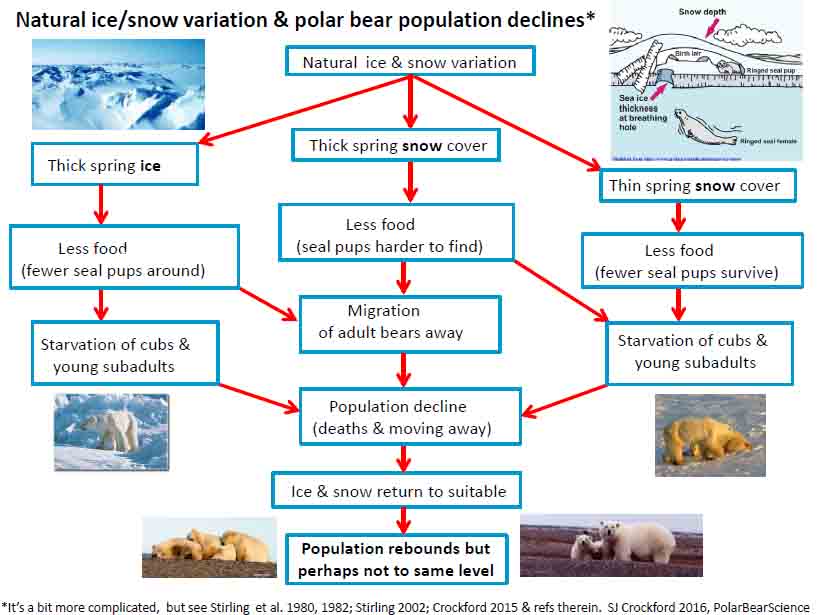
What presents a bigger risk to current polar bear populations: natural hazards that have already proven deadly or potential, yet-to-be-realized threats prophesied to occur due to human activities? That’s a perfect question for International Polar Bear Day.

Natural ice_snow variation and polar bears_model_PolarBearScienceFeb 20 2016

Dag Vongraven, chair of the IUCN Polar Bear Specialist Group, remarked last year that “until 2001, everything was fine.

Polar bear researchers thus assume that 2001 was the year climate change became the new over-hunting – but is it true? What are the relative harms presented by proven natural causes, potential human-caused threats, and predicted threats due to sea ice declines blamed on global warming? Considered objectively, is climate change really the single biggest threat to polar bear health and survival right now?
Continue reading