Tag Archives: winter

Polar bear habitat mid-winter update

Sea ice extent in the Arctic is a bit below average this year at mid-winter but there are no data to suggest this situation will have a negative impact on polar bears.
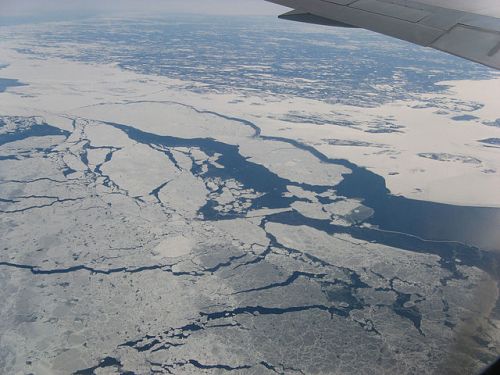
Sea_ice_near_coast_of_Labrador_-b_wikimedia_sm_26 March 2007

[Photo above is sea ice off the coast of Labrador, Canada on 26 March 2007 (from Wikimedia): polar bears in the southern portion of the Davis Strait subpopulation have been particularly successful in recent years because in late March through May/June they hunt abundant numbers of young harp and hooded seals in this habitat]

Polar bear researchers presume that most animals eat little to nothing over the winter, because it explains why even non-pregnant bears are at their lowest weight at the beginning of spring.

Sea ice charts and maps below. Continue reading
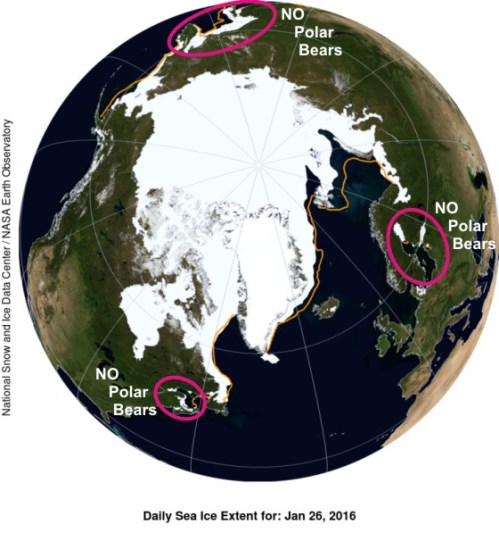
Polar bear habitat at 26 January 2016

There is still below average ice extent in the Barents Sea but there is no data whatsoever to indicate that this situation poses a problem for polar bears, given that as far as researchers know, polar bears eat little or nothing during the winter. That’s why the bears are at their leanest at the end of winter and why seal pups born in early spring are such a critical food source.

Note on map below (from WUWT Sea Ice Page, marked; original here) that polar bears are not found in three areas that are included in the total Arctic ice extent figures: below-average or above-average ice in the Sea of Okhotsk, Baltic Sea, and Gulf of St. Lawrence have no impact on polar bear health and survival.


Polar bear habitat at 26 Jan 2016_no bears marked_PolarBearScience_sm

Additional ice maps below. Continue reading

Polar bear survival: habitat 2013 vs. 2016 for 22 January

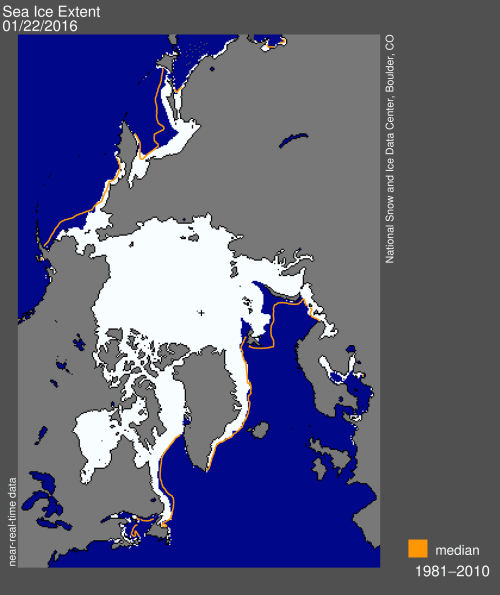
Using sea ice maps issued by the National Sea Ice Data Center (NSIDC), it’s interesting to compare these two years with respect to polar bear health and survival (keeping in mind that no polar bears live in what I like to call the armpits of the Arctic – the Sea of Okhotsk, the Baltic Sea or in the Gulf of St. Lawrence)1:

22 January 2016

Sea ice extent 2016 Jan 22 NSIDC

Continue reading

Davis Strait polar bear habitat well above average for the first week of winter

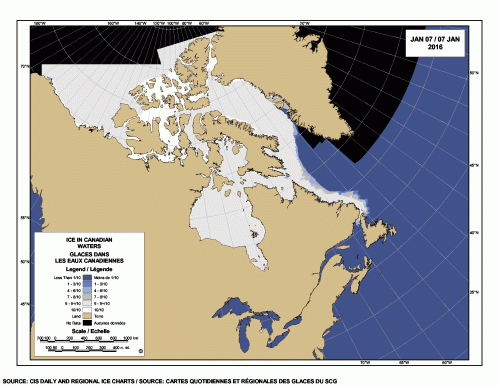
The region inhabited by the Davis Strait subpopulation of polar bears dips as far south as James Bay and has a history of highly variable sea ice coverage.

Canadian Arctic Jan 7 2016_CIS

For the last two years Davis Strait sea ice in March has been well above average, while other years it been well below. You might be surprised to hear that 1969 had the lowest February/March ice coverage over the entire the 1969-2002 record (Johnston et al. 2005: 211), which ice charts show now extend to 2015 (see below). Reports of sealers working north of Newfoundland and in the Gulf of St. Lawrence in the first few decades of the 20th century show this variability has likely always been a characteristic of the area (Ryan 2014).

Remarkably, this year’s ice coverage for the first week in January is well above what they were in 2014 and 2015 – even though those two years were above average by March. In fact, there hasn’t been this much polar bear habitat in the Southern Labrador Sea in the first week of January since at least 1993.
Continue reading

Many polar bears cubs seen in Svalbard this year, says Norwegian biologist

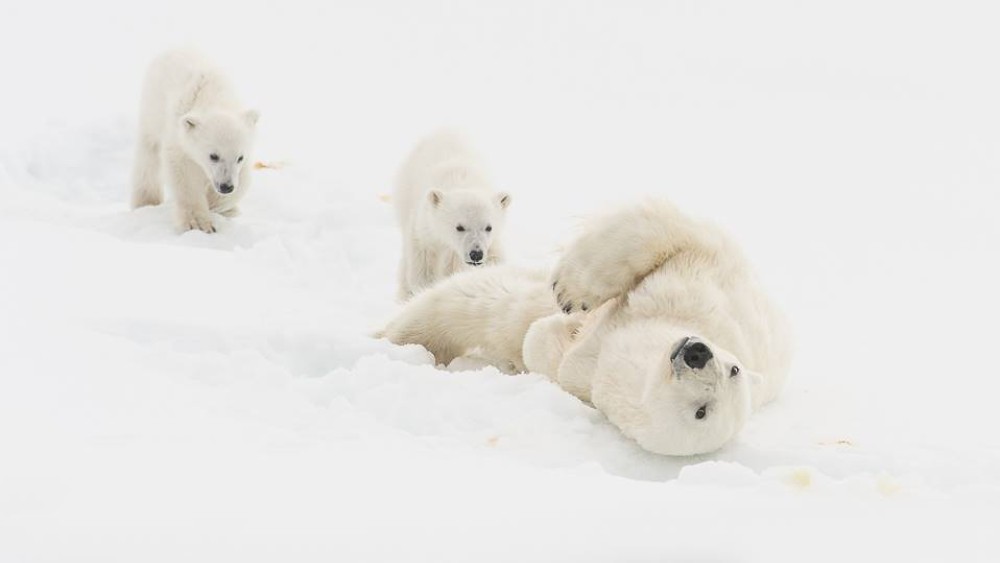
Good news from Norway: polar bears around Svalbard are in excellent condition this spring and many females with new cubs have been spotted. This is a marked turn around from conditions just last year.

 Roy Mangersnes / Wildphoto


Roy Mangersnes / Wildphoto

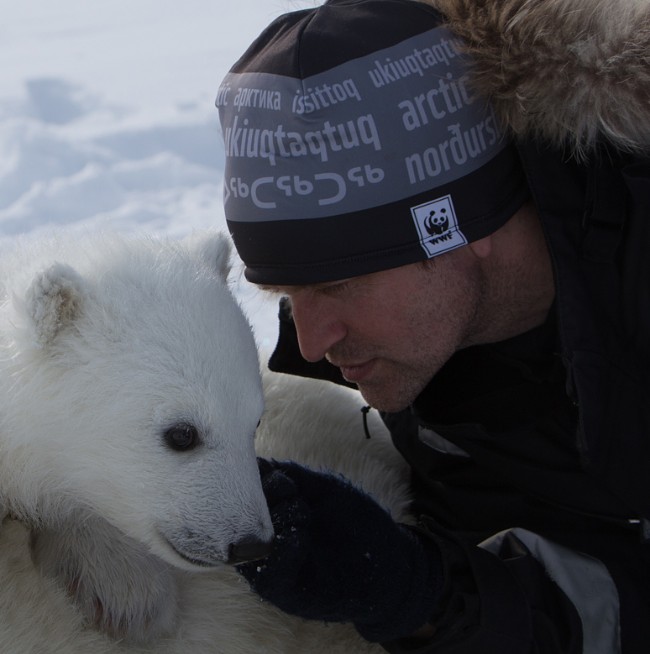
According to a Norwegian news outlet yesterday, Jon Aars (Fig. 1, below), from the Norwegian Polar Institute, confirms that this has been an excellent year for polar bear cubs around Svalbard because there has been abundant sea ice near denning areas on the east coast.

Figure 1. Biologist Jon Aars with a Svalbard cub.

Figure 1. Biologist Jon Aars with a Svalbard cub.

Continue reading

Polar bears out on the sea ice eat few seals in summer and early fall

We hear endlessly about the polar bears ‘forced’ to go without food for months because of receding summer sea ice — what about all the bears that stay out on the ice over the summer? Presumably, those bears keep hunting for seals – but how many do they actually catch?

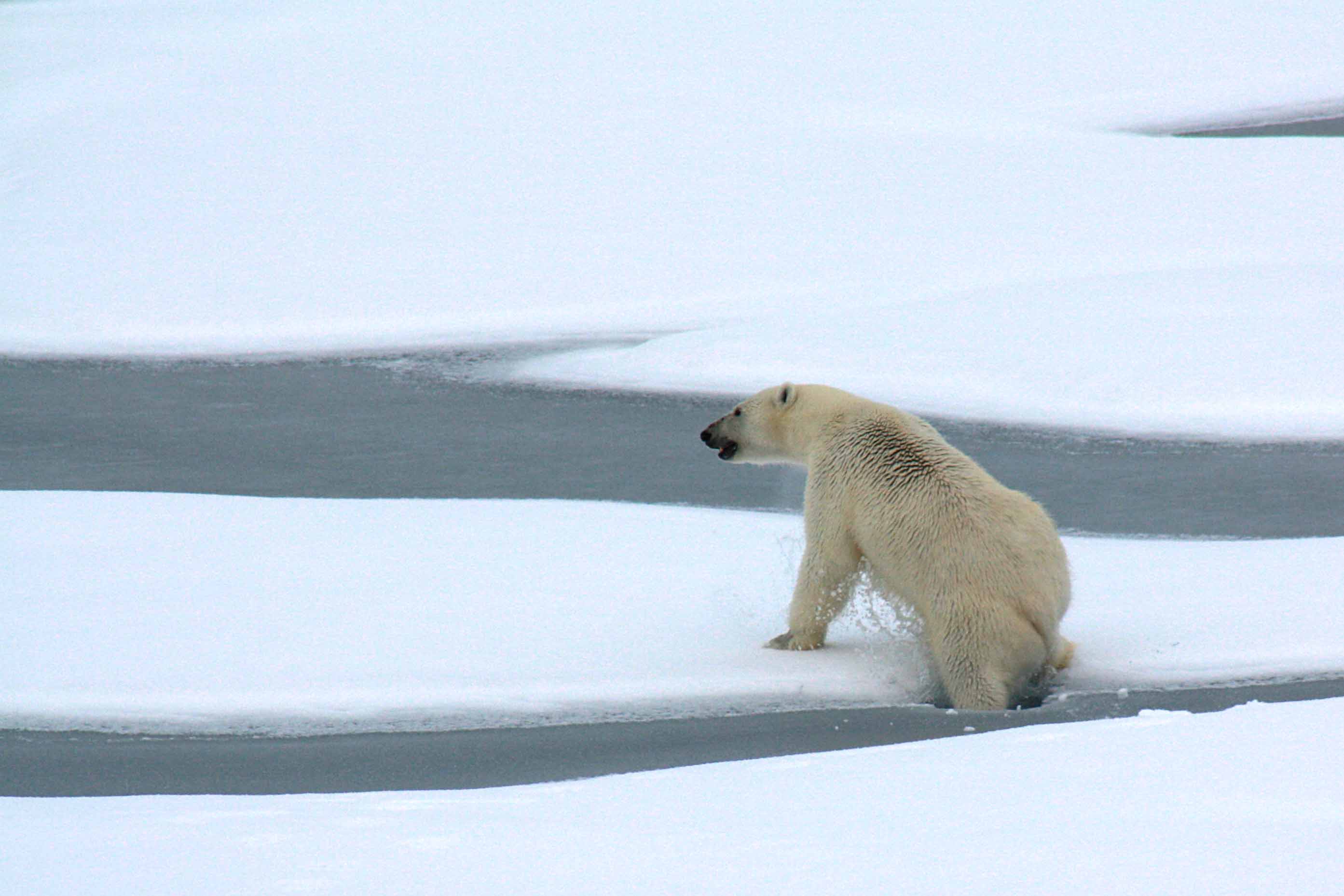
Polar Bear Breaks Ice

[Update 9 February 2015: Just to be clear, this post is based on the facts available in the peer reviewed literature — if you think I have missed something, let me know via the “Contact us” page above]
Continue reading