Category Archives: Population

Faux polar bear figures – my editorial in the National Post

Published in the Business section (Financial Post “Comments”) of the National Post this morning:

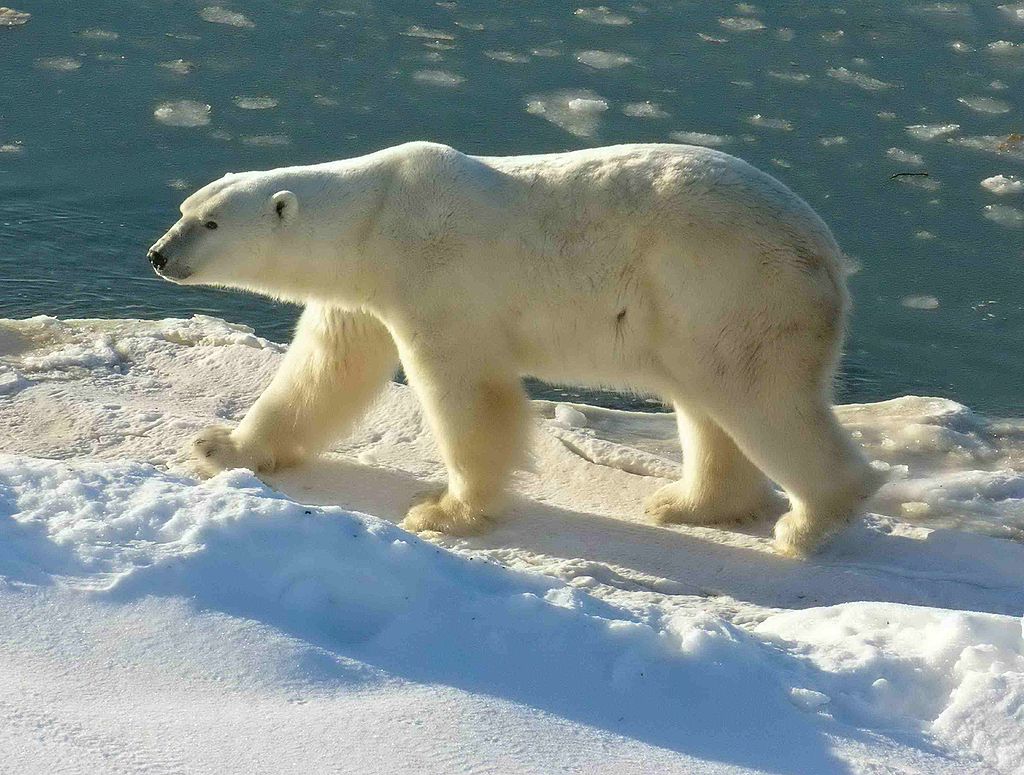
Paul J. Richards/AFP/Getty Images [NP story]

Paul J. Richards/AFP/Getty Images [from original NP essay]

“Faux polar bear figures” [not my choice of title, by the way]

In which I conclude:

We admire polar bear biologists for their professional dedication to this iconic species, and rightly so. However, while it’s understandable that polar bear biologists are conservation-minded, the public and policy makers need them to be scientists first and advocates for polar bear protection second. Polar bears are currently doing well – data shenanigans to keep them classified as “threatened” undermine the whole point of doing science.”

I have written extensively about the Southern Beaufort issue — below are links to some of these, which have links to the rest. References are included in these individual posts. Contact me if there is a reference you cannot find: Continue reading

If summer ice was critical for S. Beaufort polar bears, 2012 would have decimated them

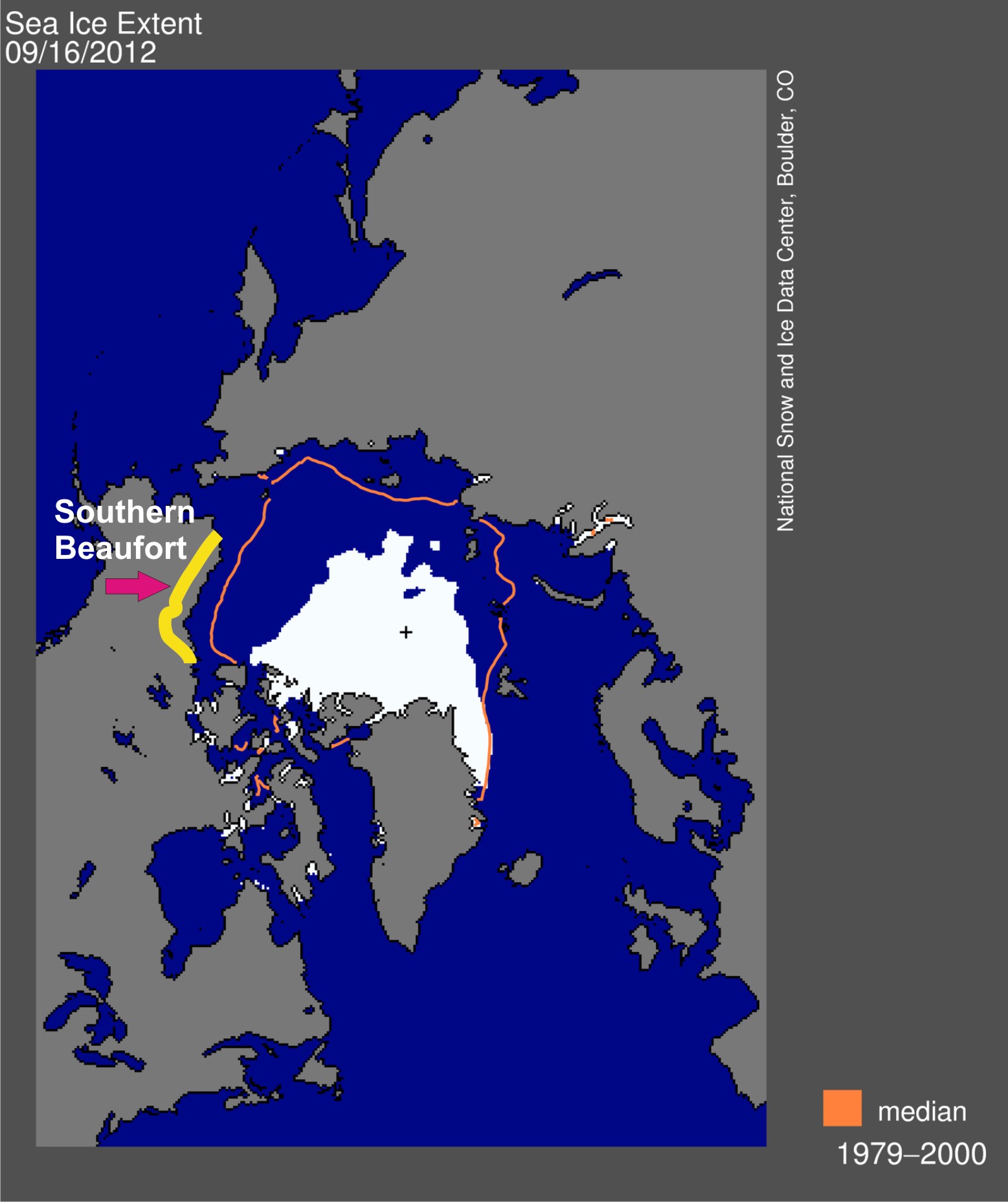
Did we hear a huge hue and cry in 2013 about starving polar bears and low cub survival in the Southern Beaufort Sea? No, we did not. Despite the record-breaking low summer sea ice extent the year before (2012), and despite the fact that USGS biologists were putting collars on polar bear females there the spring of 2013 (Rode et al. 2014), we heard not a peep about a polar bear catastrophe in the Southern Beaufort. Odd, isn’t it?

Sea ice extent 2012 Southern Beaufort_PolarBearScience

Several polar bear biologists and sea ice experts were busy late last fall suggesting to the media that a decline in polar bear numbers in the Southern Beaufort was due to declines in summer sea ice, which they blamed on global warming (see quotes below and earlier discussions here, here and here). However, they made no mention of the fact that the record-breaking September ice extent in 2012 did not seem to have any noticeable effect on polar bear health or survival in 2013.

Sea ice maps from the National Snow and Ice Data Center (NSIDC) tell most of the story about what the media were, and were not, told about summer sea ice in the Southern Beaufort between 2001 and 2013.  Continue reading

Polar bear gene flow blamed on melting ice is another model result that doesn’t make sense

Polar bear researchers just published a study that suggests polar bears have moved around the Arctic in direct response to recent sea ice changes — a conclusion I suggest you take with a grain of salt and a raised eyebrow.

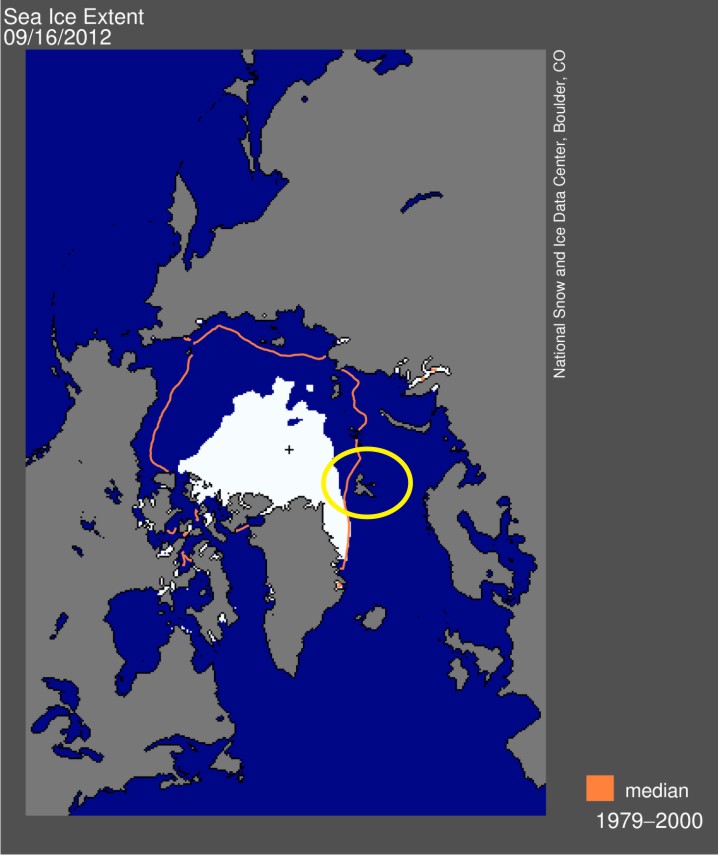
That’s because they have also proposed, among other things, that the Svalbard Archipelago was a sea ice refugium during warm interglacial periods, and could be again if the Arctic warms as predicted. That they would accept and promote such a model-based conclusion, which has no relationship with reality, calls their scientific judgment into question.

Svalbard as a potential warm refugium_Jan 8 2015_PolarBearScience

Based on genetic model results, the Svalbard Archipelago (circled) has been proposed as a sea ice refugium for polar bears during previous warm Interglacial periods and during predicted sea ice declines in the future. Yet most years since 1979 (2014 was one exception), this region has been ice free during the summer, making Svalbard a decidedly poor candidate for retaining sea ice when it’s much warmer than today.

Continue reading

Kara Sea: first-ever polar bear count suggests about 3,200 bears live there

The first-ever population estimate for polar bears in the Kara Sea is an astonishing 3,200 bears (range 2,700-3,500). Russian researchers report the results in a new paper (Matishov et al. 2014, in English).

Kara Sea_PBSG

Polar bear counts were made during late winter/early spring (approximately January to April) from ice-breakers between 1997 and 2013. Females with cubs (whether one or two) were noted. The counts were extrapolated to give a total for the entire region (as is usual for all such surveys).

The question is, will the IUCN Polar Bear Specialist Group (PBSG) consider this new polar bear count to be reliable or complete enough to include in their next IUCN assessment?

Continue reading

Challenging NOAA’s “Arctic Report Card 2014” on polar bears

NOAA’s list of purported evidence for harm being caused to polar bears by Arctic warming is short and weak. It puts the gloomiest spin possible on the current well-being of an animal with all the earmarks of a healthy, well-distributed species.

Arctic report card 2014 screencap_Dec 18 2014

This year, polar bears are virtually the only species that NOAA mentions in their Arctic Report Card – they’ve put all their icon-eggs in one leaky basket [what happened to walrus??]. But polar bears are doing so well that to make an alarming case for polar bears as victims of Arctic warming, many important caveats had to be left out or misrepresented. Some details given are simply wrong.

This year’s polar bear chapter was penned by IUCN Polar Bear Specialist Group chairman Dag Vongraven (you might recall his email to me earlier this year) and a polar bear conservation activist from Polar Bears International (whose battle cry for donations is Save Our Sea Ice!”), Geoff York.

I challenge their four weak talking points one by one below.

Continue reading

Recent S. Beaufort polar bear count was a cherry-picked result – new evidence

New evidence has come to light that mark-recapture field work used to calculate a new population estimate for Southern Beaufort polar bears did not conclude in 2010 as implied in a widely-publicized paper last month but continued until 2013.
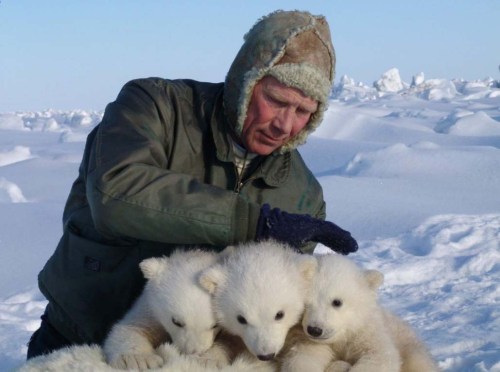
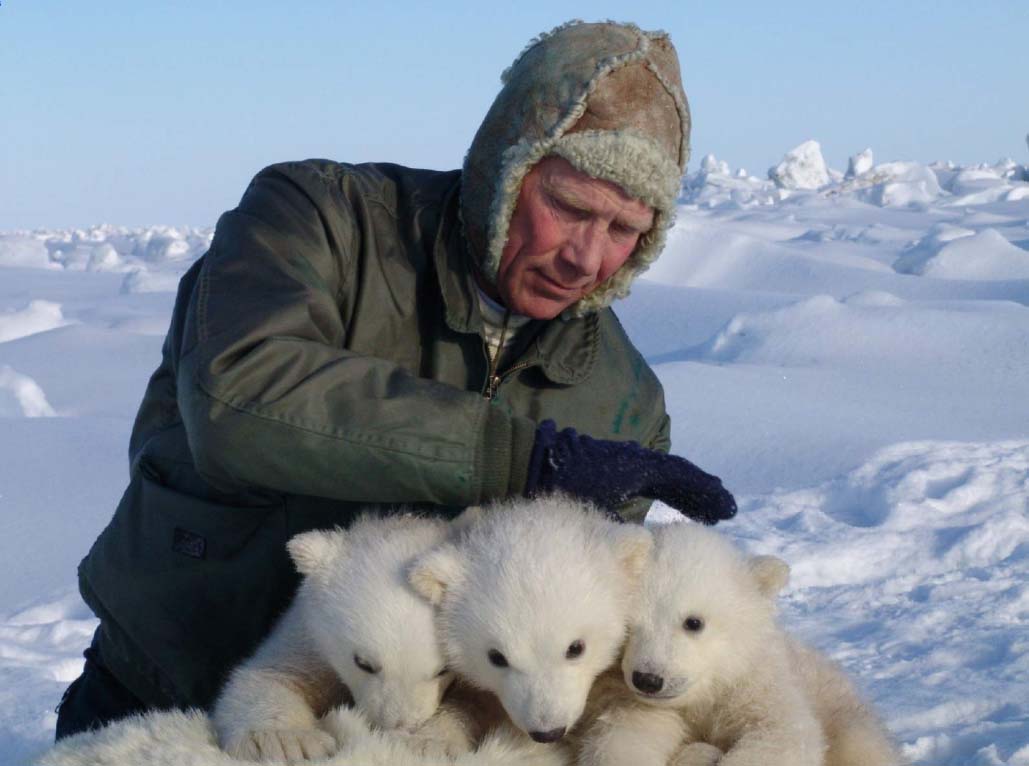
Amstrup w triplet_Prudhoe Bay 2005_USGS_sm

Steve Amstrup in S. Beaufort, 2005 (USGS photo), co-author of Rode et al. paper.

As I discussed previously, last month’s widely-hyped paper (Bromaghin et al. 2015 in press) – which reported a decline of ~40% between 2004 and 2010 (based on spring mark-recapture work) – was contradicted by fall survey counts that suggested strongly a population rebound would have been apparent if the mark-recapture work had continued another two years.

A new paper by Karyn Rode and colleagues (which includes Bromaghin and others (e.g. Amstrup) from the previous paper), summarized in a USGS press release issued on Monday and published online Tuesday, utilized comprehensive data collected during mark-recapture work carried out in spring from 1982 to 2013 in the Southern Beaufort Sea.

This new paper used the same kind of comprehensive data as Bromaghin and colleagues – from the same season, in the same region – to assess potentially negative effects of the mark-recapture research method itself, up to 2012 and beyond.

More on the Rode et al. conclusions later1 – for the moment, what is important is that the work described in the paper confirms that spring mark-recapture work on polar bears in the Southern Beaufort continued beyond 2010. Bromaghin and colleagues didn’t end their mark-recapture work prematurely — they actually left data collected in 2011 and 2012 out of their population estimate analysis when they had to have known the population had not finished rebounding from the 2004-2006 decline.
Continue reading

W Hudson Bay polar bear mark-recapture study report 2013 – at last

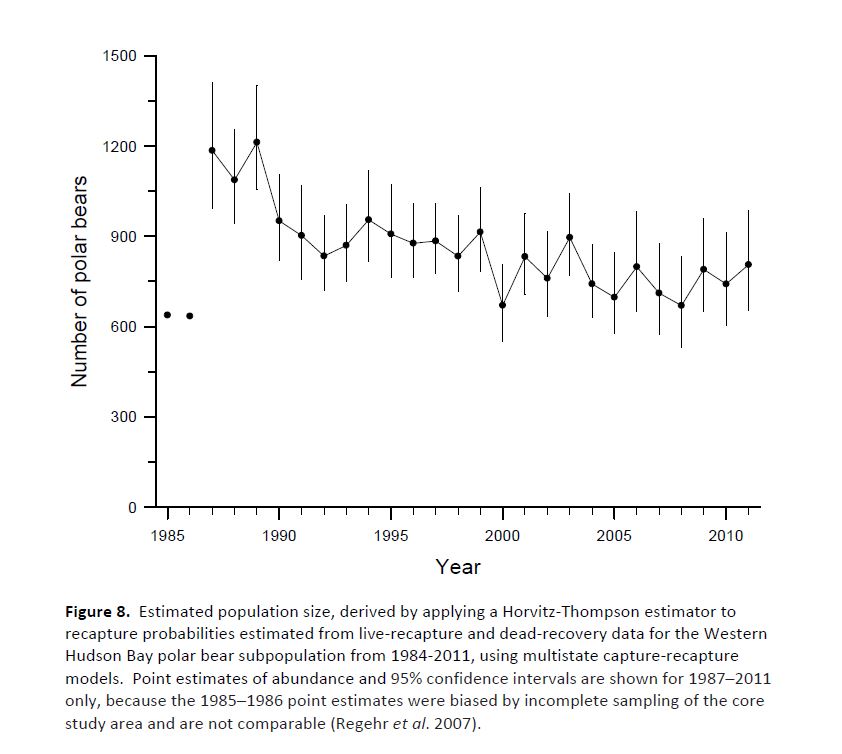
I have finally secured a copy of the 2013 Western Hudson Bay mark-recapture study produced by Environment Canada.

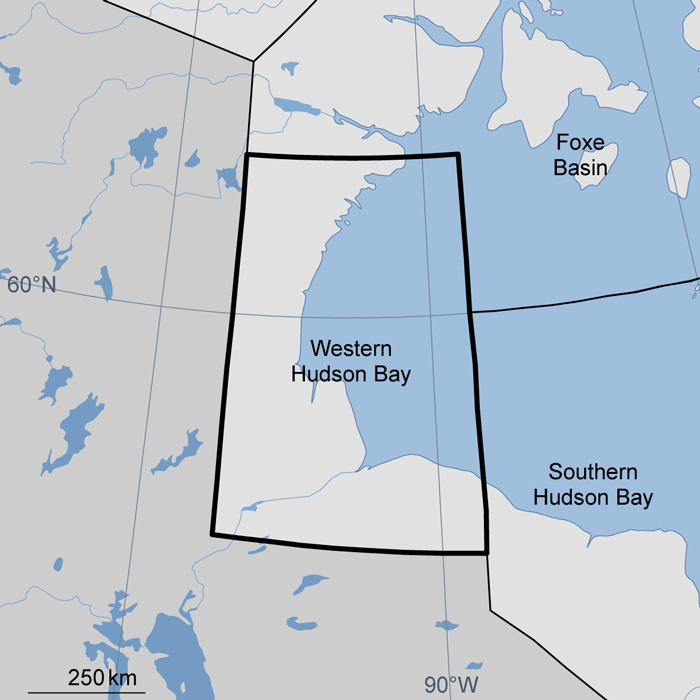
The pertinent figure is below: as you can see, there was no declining trend in Western Hudson Bay polar bears between 2000 and 2011. Click to enlarge.

WH EC Polar Bear Demography report Lunn 26 Nov 2013 Final _Fig 8

I have relatives visiting so I don’t have time to do an in-depth summary but the report’s opening “Summary” is copied below and a pdf provided. More later when I have had time to look at it more closely. Background on the issue here.

Continue reading

Public misled about W Hudson Bay bears since November 2013

Leading polar bear biologists knew by November 2013 that mark-recapture studies showed the Western Hudson Bay subpopulation had not changed appreciably since 2004 but none said so. This includes Steven Amstrup and Ian Stirling at Polar Bears International, Andrew Derocher (University of Alberta), and Nick Lunn (Canadian Wildlife Service), all of whom are (or have been) extensively involved in Western Hudson Bay polar bear research and have made recent statements to the media on this topic.

Polar_Bear_2004-11-15_Wapusk Nat Park_Wikipedia

More details have emerged about the status of Western Hudson Bay (WHB) polar bears (reported a few days ago here), reported this morning in NunatsiaqOnline, excerpts below.

The story reveals that there are two Canadian Wildlife Service (Environment Canada) reports containing population estimates of Western Hudson Bay polar bears – one produced in 2011 and another in November 2013 (reversing the 2011 conclusion) – that have not been made public.

[In contrast, Nunavut Government reports on their 2011 population estimate, based on aerial surveys, were made public in both draft and final report formats (and have since been peer-reviewed and published)]

The conclusion of the 2013 report, quoted in this mornings article, suggests that some of our most vocal polar bear specialists have been misleading the public about the status of the Western Hudson Bay population for the last year.
Continue reading

Western Hudson Bay polar bear population is stable: press release

Slowly but surely, word is leaking out: the Western Hudson Bay polar bear population is stable at ~1000 bears, confirming the good news contained in maps posted on the Environment Canada website a few months ago (discussed by me here and here). Environment Canada has apparently been giving presentations in local Western Hudson Bay communities relaying their decision.

Courtesy IUCN PBSG

Courtesy IUCN PBSG

Yesterday, a press release was issued by one of the official Inuit organizations in Nunavut announcing the new official status of the Western Hudson Bay polar bear population.
Continue reading

Polar bear researchers knew S Beaufort population continued to increase up to 2012

Why did the Southern Beaufort polar bear population survey stop in 2010? It’s clear that the recently-published and widely-hyped new study stopped before the population rebound from a known decline was complete.

USFWS 2013-2014 PB News_cover_PolarBearScience

The researchers of the recently-published paper knew before starting their mark-recapture study in 2007 that the population decline had taken place. They also knew why the numbers dropped and that previous declines, caused by similar conditions, had been followed by a full recovery.

Did they really think a full recovery in population numbers was possible in only three four years, when cubs born in 2007 would not yet have been old enough to reproduce?

In fact, a US Fish and Wildlife Service (USFWS) fall survey of Southern Beaufort polar bears in 2012 found numbers were higher than they had been in a decade.
Continue reading