Posted onFebruary 3, 2026|Comments Off on Biologists allowed David Attenborough to tell BBC viewers that Barents Sea bears were dying of starvation in his 2011 Frozen Planet episode when they knew it wasn’t true
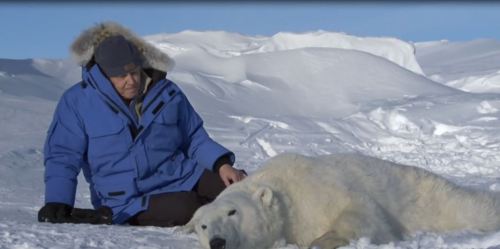
In the climate change episode of his 2011 BBC Frozen Planet series ‘On Thin Ice’, Sir David Attenborough told viewers that polar bear mothers and cubs across the Arctic were starving because climate change was melting the sea ice, even as he sat beside a fat, healthy Barents Sea female (below).
I wonder how Sir David Attenborough feels now? Has anyone bothered to tell him that Norwegian biologists have finally admitted that Barents Sea polar bears were actually fat and healthy in 2010 when they assisted in the filming of his BBC documentary? Or, did Attenborough know even then that this population of polar bears was thriving despite the large loss of sea ice – but let his viewers think otherwise?
Comments Off on Biologists allowed David Attenborough to tell BBC viewers that Barents Sea bears were dying of starvation in his 2011 Frozen Planet episode when they knew it wasn’t true
Posted onSeptember 5, 2024|Comments Off on 12 years of Polar Bear Science winding down as I transition to writing Biology Bites on Substack
While I’m not done with polar bears completely, it seems I’ve been so successful at informing the public and defanging the rabid activists that fewer examples of nonsense seem to pop up. And it turns out I have other things I’d like to write about.
I’ve spent my entire career as an unconventional scientist and I’m betting that many of the stories I’ve amassed along the way will be of interest to a wider audience. So, after 12 years of blogging here at PolarBearScience, I’m branching out with a new writing forum called “Biology Bites,” hosted on Substack.
Posted onMay 19, 2024|Comments Off on Ian Stirling, grandfather of polar bear biologists, dead at 82
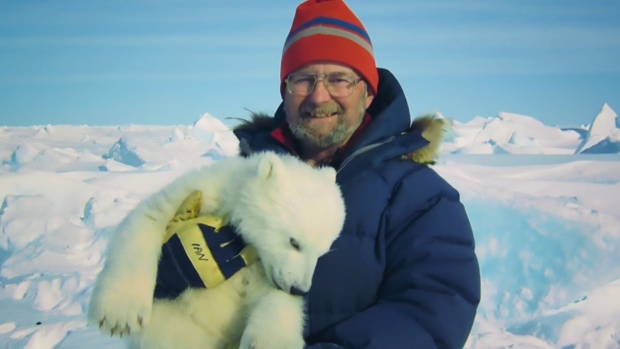
Ian Stirling, who laid the foundation for our understanding of polar bear ecology and almost single-handedly made the polar bear an icon of global warming, died last week in Edmonton at the age of 82 [my mistake in the headline: he would have turned 83 this September]. Stirling was said to have played a critical and calming diplomacy role at international Polar Bear Specialist Group meetings but over the last several decades, like so many other “conservationists,” he became an outspoken activist for what he called the “climate warming” issue.
It was sad for me to have witnessed a respected and dedicated biologist turn his back on science the way he did but I am also saddened by his passing. He truly did make a huge contribution to science but could have done so much more with the time he had.
Posted onApril 28, 2024|Comments Off on Polar bears are going extinct? Actually, they’re not! A new video worth watching and sharing
Great Barrier Reef specialist Peter Ridd has just published an excellent video about my work and the way I’ve been treated by the scientific community just for pointing out that polar bear populations have failed to respond as predicted to the recent decline in Arctic sea ice.
The report Peter refers to in the video is this one, which was published in February 2024:
Crockford, S.J. 2024. State of the Polar Bear 2023. Briefing Paper 67. Global Warming Policy Foundation, London. Download pdf here.
In other words, the polar bear catastrophe we were promised never happened. In case you missed it, I wrote a book about that. Polar bears across the Arctic are thriving: not just because their numbers have increased overall but because the field data collected from bears in regions that have had the most dramatic declines in summer sea ice, including the Barents Sea and the Chukchi Sea, show the bears are healthy and reproducing well.
Comments Off on Polar bears are going extinct? Actually, they’re not! A new video worth watching and sharing
Posted onMarch 9, 2024|Comments Off on Hudson Bay polar bears now considered most likely to survive future sea ice loss
Over the last 10 years, Hudson Bay polar bears have morphed from being the “most at risk” across the Arctic to the “least at risk.” Who would have thought?
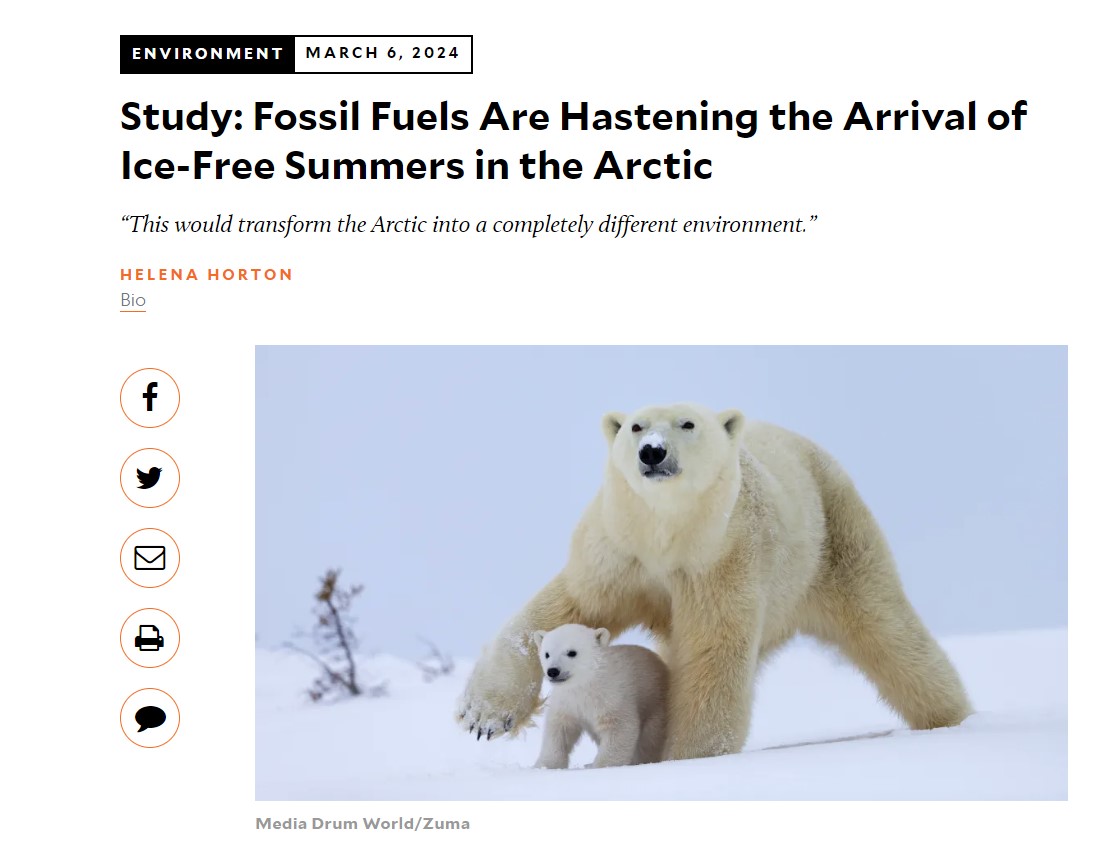
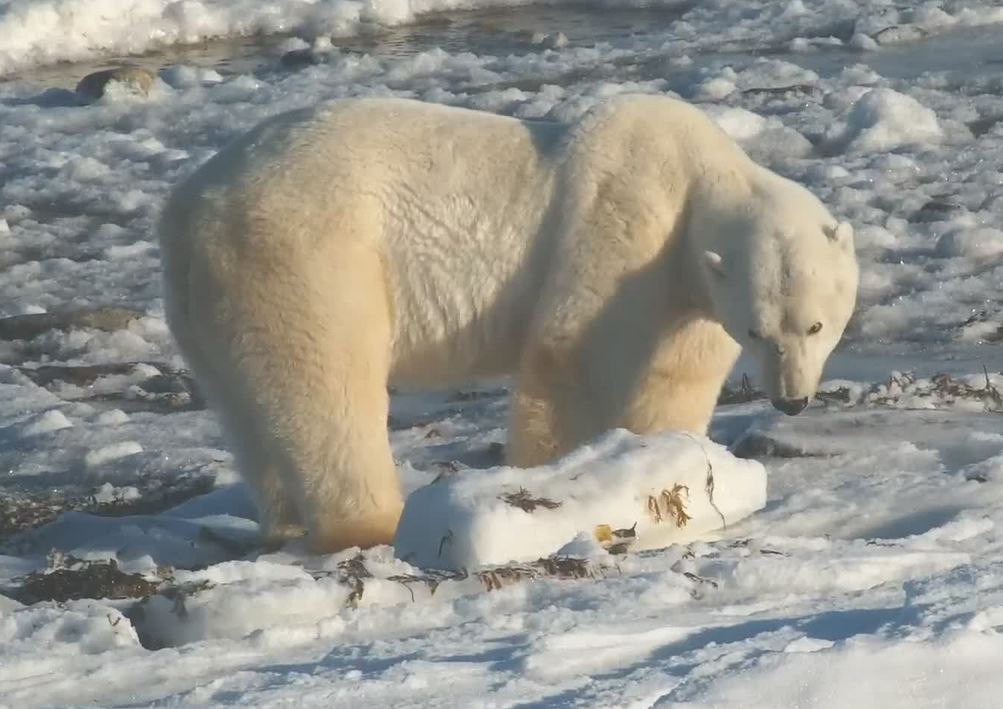
That’s probably because the experts now have to admit that polar bear numbers have not declined since 2004 and bears have been in good body condition since at least 2016. Southern Hudson Bay bears have apparently increased in number since 2016. How ironic is it that the photo above, taken in Hudson Bay — the only Arctic region where trees grow — was used to illustrate a recent Mother Jonesarticle promoting a new prediction of future Arctic summer sea ice loss that’s said to pose a threat to polar bear survival.
Posted onFebruary 27, 2024|Comments Off on State of the Polar Bear 2023: W. Hudson Bay polar bear numbers have not declined since 2004
In my State of the Polar Bear 2023 report for the Global Warming Policy Foundation, I discuss recent news relevant to polar bear conservation and science issues. The most startling of these is the revelation that Western Hudson Bay polar bear numbers have not declined since 2004.
Posted onFebruary 20, 2024|Comments Off on NY Times pushes an implausible story of polar bear evolution and what makes a species
Carl Zimmer over at the New York Times penned a misleading story of speciation, using the polar bear as an example. It explains polar bear evolution based on a genetic interpretation that ignores the fossil record, bear behaviour, and geological history. [h/t Kip Hanson].
In my opinion, this kind of ‘science communication’ is more misleading than enlightening because it fails to alert readers to the fact that the topic is actually more complicated and gives the impression that the author considers readers too stupid to understand a more accurate explanation.
Polar Bear Evolution does a better job for those who are really interested in the process: it doesn’t hide the complicated nature of speciation or polar bear evolution. It doesn’t pretend to present “the truth” but explains how a good scientist gets to a plausible explanation that best fits the evidence.
Except for the lying and obfuscation that most of us have come to expect, I’ve mostly been left to reiterate that polar bears are not “canaries in the coal mine” indicators of climate change and to point out that Arctic sea ice extent and polar bear survival are not inextricably tied. For example, in some specific areas of interest, like Western Hudson Bay, there has not been a consistent decline in sea ice over the last few decades and bears are not attacking people at increased rates because they are desperately hungry. In other areas, like the Svalbard area of the western Barents Sea, sea ice has declined dramatically in recent years yet polar bears have not been attacking people more than usual.
Contradictions and failed predictions abound.
All in all, a rather boring year for the anticipated implosion of polar bear health and survival, despite my constant tracking of publicly-available information. That said, I would like to take this opportunity to thank you all again for your continued support, and especially those who have donated hard-earned cash over the last few months: your support makes it possible for me to continue my work keeping polar bear science honest. Together, we have made a difference and I know it’s worth the fight. Because if we let evidence-based science die without challenge, we lose our ability to make sense of the world.
Posted onFebruary 27, 2023|Comments Off on Polar Wildlife Report reveals Arctic and Antarctic animals were thriving in 2022
The Polar Wildlife Report is a peer reviewed summary of the most recent information on polar animals, relative to historical records, based on a review of 2022 scientific literature and media reports. It is intended for a wide audience, including scientists, teachers, students, decision-makers and the general public interested in animals that live in Arctic and Antarctic habitats, including polar bears, killer whales, krill, and penguins.
Canadian zoologist Dr. Susan Crockford warns that some polar bear specialists are attempting to cast a smoke-screen over the growth of global polar bear numbers.
Watch polar bear habitat reform in the Canadian Arctic: “last 10 days” Canadian Ice Service animation (works anytime) HERE.
See Quote archive for details.








 polarbearscience
You must be logged in to post a comment.