Churchill problem polar bear report for week 3 and a triplet litter of cubs spotted

Courtesy the Town of Churchill:

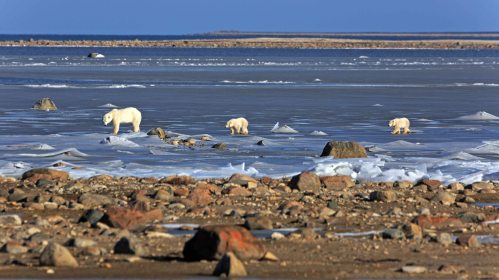
Also, note that a mother with a litter of triplets spotted along the coast of Wapusk National Park (just east and south of Churchill) in good condition, 15 September 2020 (see photo below). Biologist Nick Lunn falsely claimed in 2018 that no triplet litters had been born in Western Hudson Bay since 1996 – a correction made later claimed Lunn meant there hasn’t been any triplet litters seen in the fall, which was also not true in 2017 or in 2020:

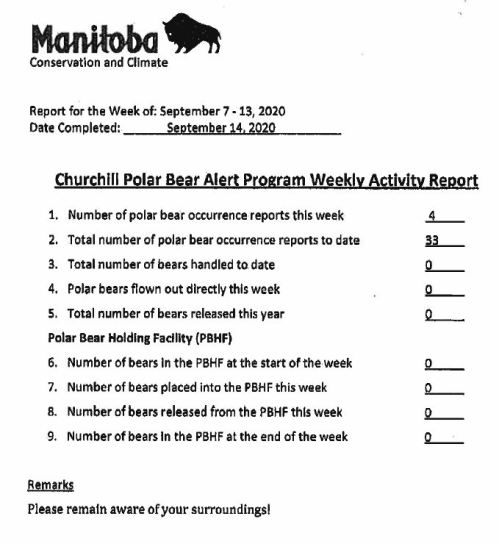
Compare weekly stats above for this year to a few previous years at the second week in September:

Continue reading

Attenborough’s new attempt to scare people about polar bear extinction and walrus deaths

In a new book and Netflix film, Sir David Attenborough again presents false information about future polar bear survival and walrus deaths. An excerpt from Attenborough’s forthcoming book (A Life On Our Planet) has been published in the Daily Mail (12 September), called “End of the polar bear by the 2030s, another major pandemic in the 2080s… and a sixth mass extinction by 2100: SIR DAVID ATTENBOROUGH reveals how those born today could witness these scenarios unless we save the planet“.  As his upcoming documentary has the same title as the book, this excerpt forewarns of what’s in the film. Attenborough falsely claims that by 2030 – a short 10 years from now – polar bears will be on their way to extinction and again flogs the lie, exposed last year, that walrus falling to their deaths in Russia a few years ago was due to lack of sea ice. Continue reading

Svalbard male polar bear dies after sedation for research purposes

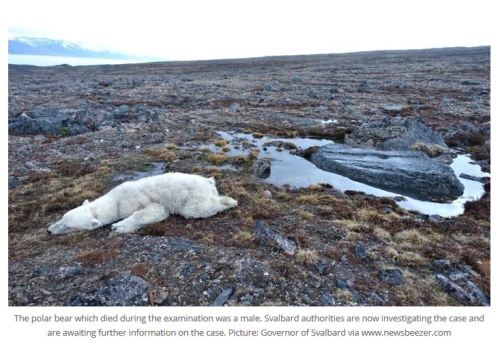
A 2 year old male polar bear died yesterday (10 September 2020) during the sedation procedure used by Svalbard researchers. Although most polar bear research is on hold this year due to Covid-19, apparently the annual fall research in Svalbard conducted by Norwegian biologists has been able to continue.

See details of this incident below, as screen caps; entire original in English at Polar Journal.   Continue reading

Why the Covid-19 epidemic is essentially over & current PCR testing protocols are pointless

This is a very good short paper on the current state of the Covid-19 epidemic by two UK respiratory disease researchers that is well worth the read, with a good coverage of the problems with models and PCR testing that is encouraging some governments to renew the panic and restrictions initiated back in March.
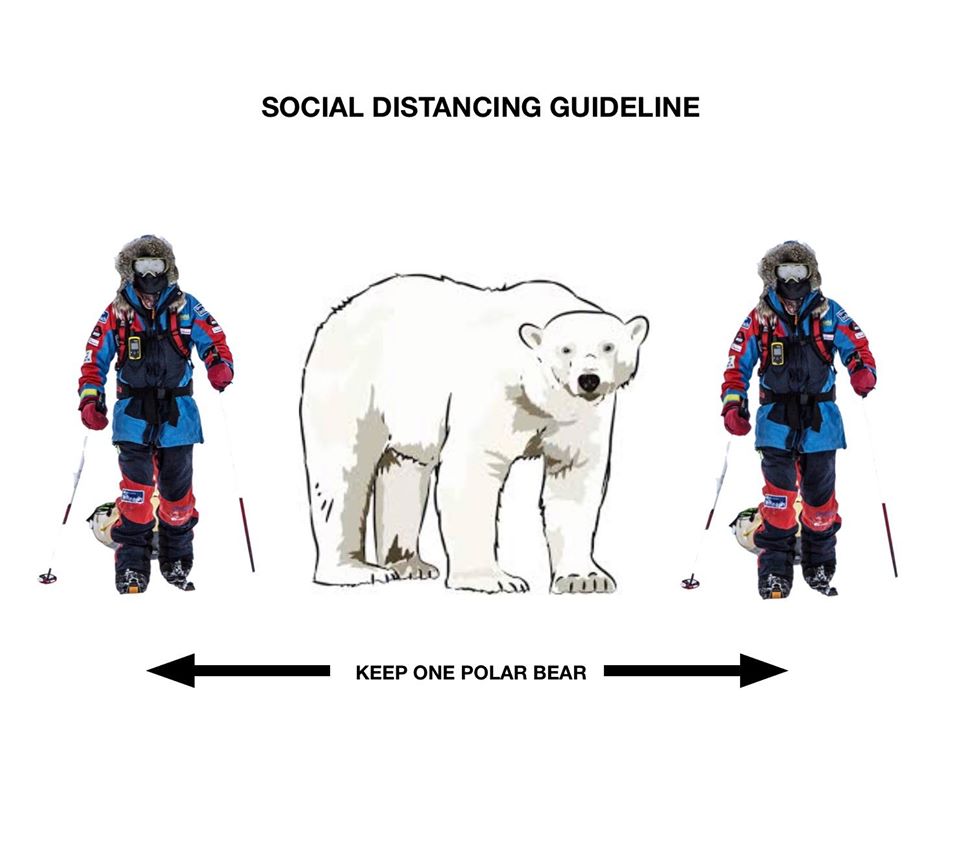
Svalbard social distancing_keep one polar bear away_icepeople 3 April 2020
Understanding Covid-19 is pertinent to this blog topic, not least because virtually all polar bear field research has been shut down for the year worldwide, with no indications restrictions will be lifted over the next few months: an entire year’s worth of data will be missing for all kinds of studies. Small Arctic communities that traditionally provided essential logistical support for these studies also tend to have a high proportion of vulnerable citizens and so remain closed to the outside world. Restrictions on travel – the border between the US and Canada remains closed to all but essential traffic – and limits on size of gatherings mean that the government response to this illness has severely impacted my public activities.
Have a look at this important referenced essay: I’ve copied the Executive Summary below.

Continue reading

Sceptical covid-19 research and sceptical polar bear science: is there a difference?

This essay about medical researchers having trouble getting their papers published because the results don’t support the official pandemic narrative has disturbing parallels with my experience trying to inject some balance into the official polar bear conservation narrative.1 Especially poignant is the mention of models built on assumptions sold as ‘facts’ that fail once data (i.e. evidence) become available – which of course is the entire point of my latest book, The Polar Bear Catastrophe That Never Happened.

Read the commentary below, copied from Lockdownsceptics.org (6 September 2020). Bold in original, link added to the story to which this is a response, and brief notes and links added as footnotes for parallels with polar bear conservation science. Continue reading

Criminal charges dropped in case of polar bear shot by cruise ship guards in 2018

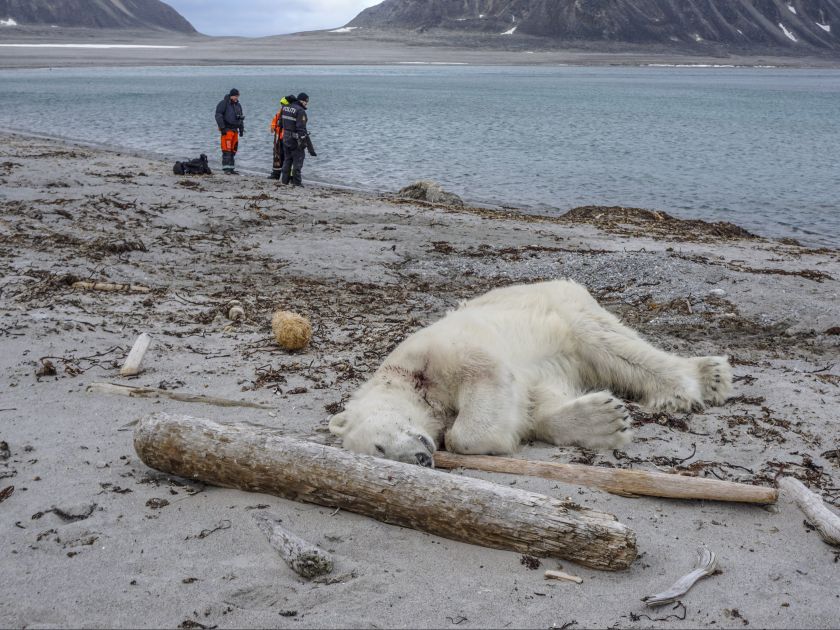
The guards from a cruise ship who shot an emaciated bear in self-defense in late July 2018 on the remote island of Phippsøya in northern Svalbard have had criminal charges against them dropped. It is illegal to kill polar bears in Norway, so the death of the bear automatically triggered a criminal investigation.


Polar bear shot in self defense on the island of Phippsøya in the Sjuoyene group north of Spitzbergen 28 July 2018 by guards from a cruise ship, photo courtesy Govenor of Svalbard.

This case, which made international headlines and sparked outrage at the time, also saw charges laid against the cruise ship that employed the guards. However, all charges against the company have also been dropped. See below for details on the decision and my post about the incident in 2018. No information on the condition of the bear was included in the statement about criminal charges.


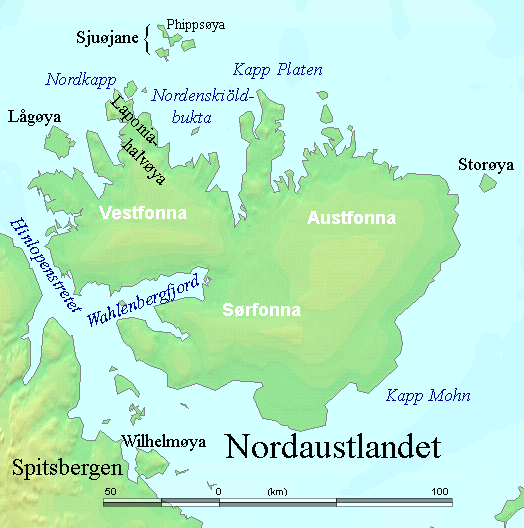
Phippsøya is part of the Sjuoyene island group in northern Svalbard.


Continue reading

First polar bear alert report for Churchill an astonishing seven weeks later than last year

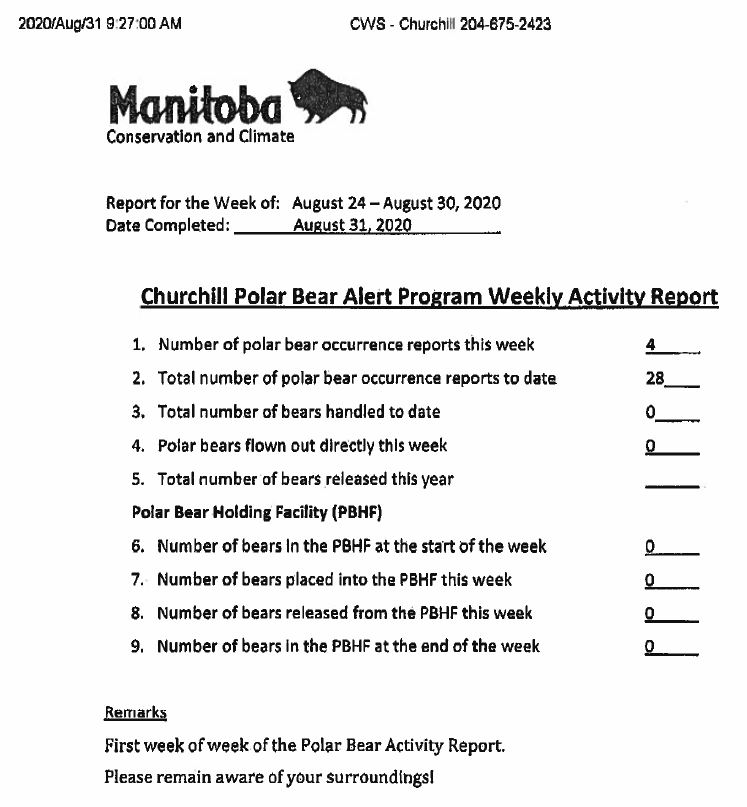
The first report of the Polar Bear Alert Program in Churchill, Manitoba was released today (1 September), a full seven weeks later than last year due to many bears remaining on the Western Hudson Bay ice much later than they have done in the past.

2020 Aug 31 - Polar Bear Stats_week 1 jpeg

As I mentioned previously, as long as I’ve been collecting these published reports (2015), there has not been a first report of the season issued later than the second week in July, so this year is really unusual and I suspect similar to the 1980s.

I thought it possible that this was a Covid-related delay getting conservation officers to Churchill but as you’ll see above, that appears not to be the case: there simply have been not enough serious problems with bears in Churchill to warrant sending officers out before last week. No information on the general condition of bears was included this year, as it has been in other years (see below).  Activity this last week in August 2020 was similar to the first week in July 2018.

Polar bear Cape East 0 Wakusp NP _24 Aug 2020 earlier

Continue reading

Fatal polar bear attack in Svalbard unfairly blamed on lack of sea ice

A fatal polar bear attack in Svalbard, in the early hours of 28 August 2020 just outside the main town of Longyearbyen, is being unreasonably blamed on lack of sea ice. Details of the attack show it was made by a three year old male: such subadult bears are historically responsible for most attacks on people and they are known to be especially dangerous. It looks to me like someone should have seen this tragedy coming and stepped in to prevent it.

Svalbard_PB_Fareskilt_38

I will update this story as more information comes in but see below for the details known so far.

Continue reading

Amid crying over low Arctic ice, W Hudson Bay polar bears leave ice as late as 2009

This year, the last collared Western Hudson Bay polar bear to leave the ice left as late, or later, than the last collared bear did in 2009 (which was an unusually late breakup year) and so far, all bears spotted have been in good physical condition despite inhabiting one of the most southern regions of the Arctic. All the while, sea ice experts have been hand-wringing about low Arctic sea ice –– in general and as polar bear habitat.

Polar bear Cape East 0 Wakusp NP _24 Aug 2020 earlier

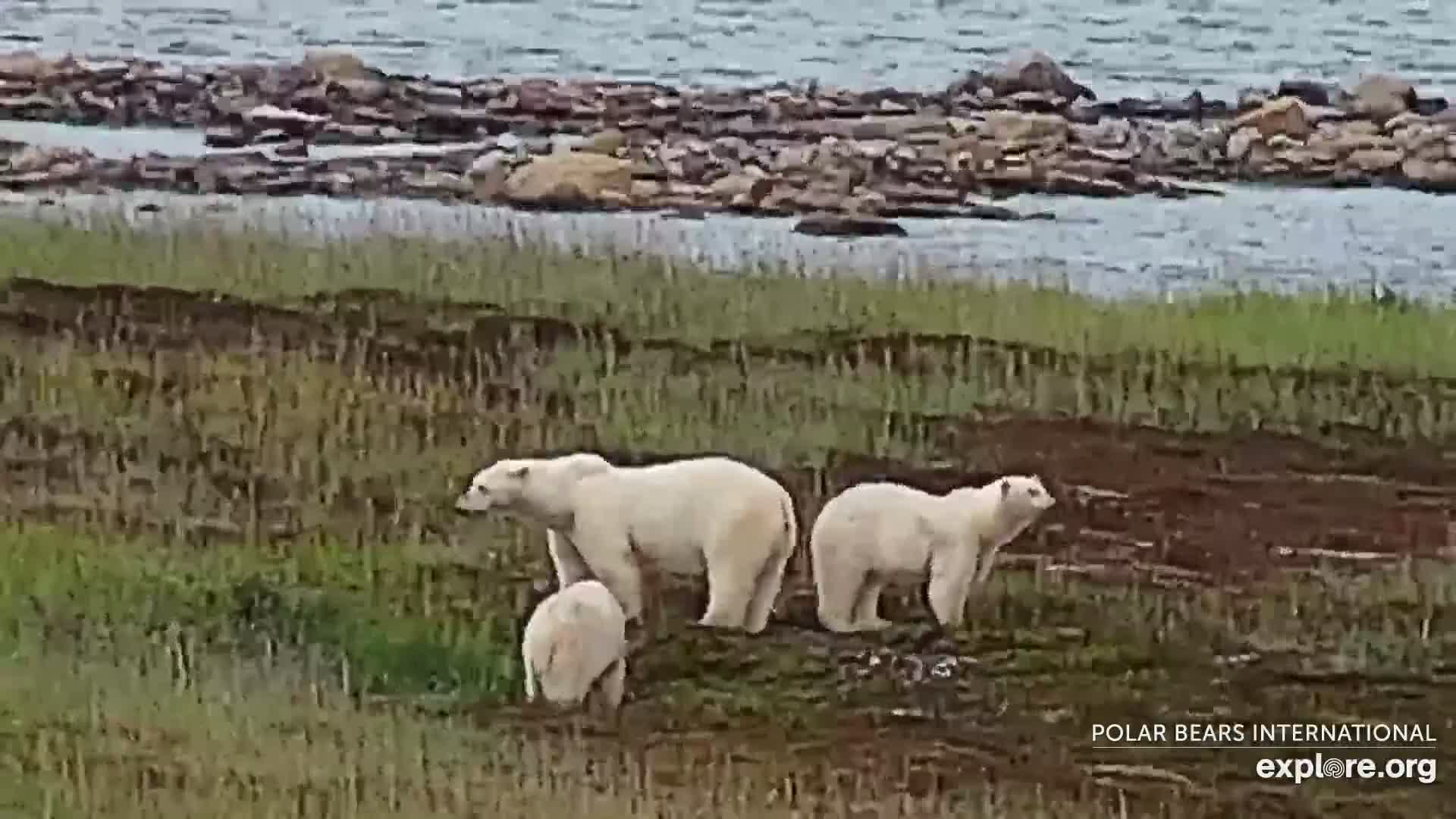
A female with two yearling cubs on the shore of Wakusp National Park, Western Hudson Bay on 24 August 2020. Taken via livecam from almost a mile away.

Continue reading

Risk to Alaskan polar bear cubs from oil exploration in coastal Wildlife Refuge is small

A bill recently introduced to US Congress (30 July 2020) is supposedly meant to “safeguard the Beaufort Sea polar bear’s denning habitat”.  However, the bill is named the “Polar Bear Cub Survival Act”, which tells us this is an appeal to emotions rather than a call for rational decision-making. In fact, few Southern Beaufort Sea polar bear cubs are born on land in the Alaska National Wildlife Refuge and the risks to them from oil exploration is not overwhelming.

Amstrup_only solution_with 3 cubs_Oct 8 2014

Despite a modest decline in summer sea ice since 1979, only about half of Southern Beaufort Sea polar bear females currently make their dens on the sea ice in late fall. Recent research confirms results from older studies that show denning females in Alaska are highly tolerant of the kind of disturbance associated with oil exploration and few dens are found more than about 1 km from the shore. This emotion-laden bill is not really about protecting polar bears: it’s a political move aimed at preventing oil exploration along the coast of Alaska after previous efforts failed. It comes ahead of an announcement today (18 August 2020) that the White House will begin to auction off leases for oil drilling in the ANWR.

Don’t let the ‘trust my word, I’m an expert’ hyperbolic testimony from activist scientists like Steven Amstrup and others hold sway on this issue – see for example Alaska polar bear den disturbances part of ‘death by a thousand cuts,’ researcher says (biologist Wesley Larson on Alaska Public Radio, 14 July 2020), or activist conservation organizations Polar Bears International and World Wildlife Fund. Have a look at the facts on the matter taken from the published literature, which I summarize below (as many pdfs provided as possible).

Continue reading