Tag Archives: Derocher

Polar bear specialist says there are 800 polar bears in W Hudson Bay, gov’t says ~1,000-1,500

Activist polar bear biologist Andrew Derocher (University of Alberta) may have gone too far this time. In an interview with Yahoo News, Derocher is quoted as saying:

“When I first started here about 30 years ago the population was about 1,200 bears and now we’re down to about 800,” team member Andrew Derocher, a biology professor at the University of Alberta, said in a phone interview from the tundra outside Churchill.”  [my bold]
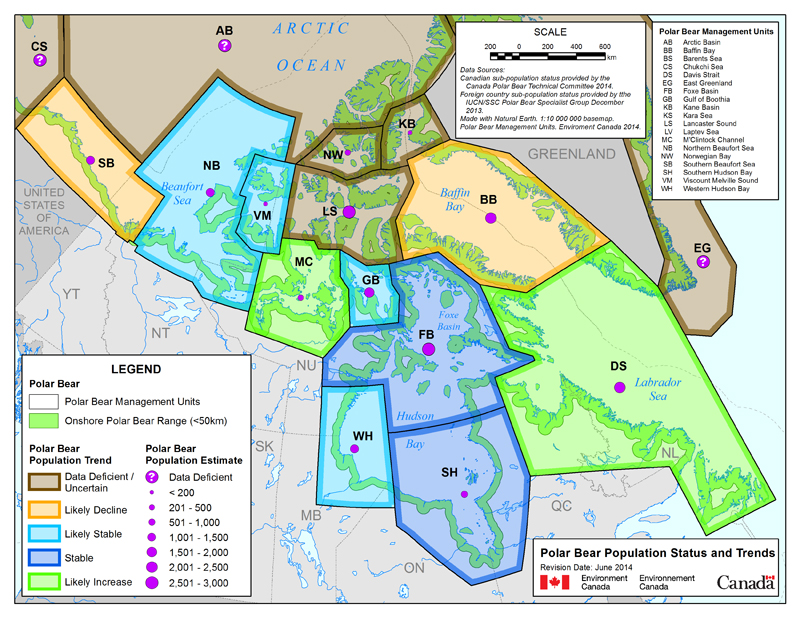
Figure 4. Environment Canada's "Map 3: 2014 Canadian Polar Bear Subpopulation and Status Map," original here.

Environment Canada’s “Map 3: 2014 Canadian Polar Bear Subpopulation and Status Map,” original here. Click to enlarge.

However, the Polar Bear Technical Committee of Environment Canada says differently: it estimates there are ~1000-1,500 bears in Western Hudson Bay (WH) and that the population is probably stable, as their new status map (dated June 2014, copied above) shows. A recent (2014) peer-reviewed paper by Stapleton and colleagues (discussed here) provides the data for that estimate.
Continue reading
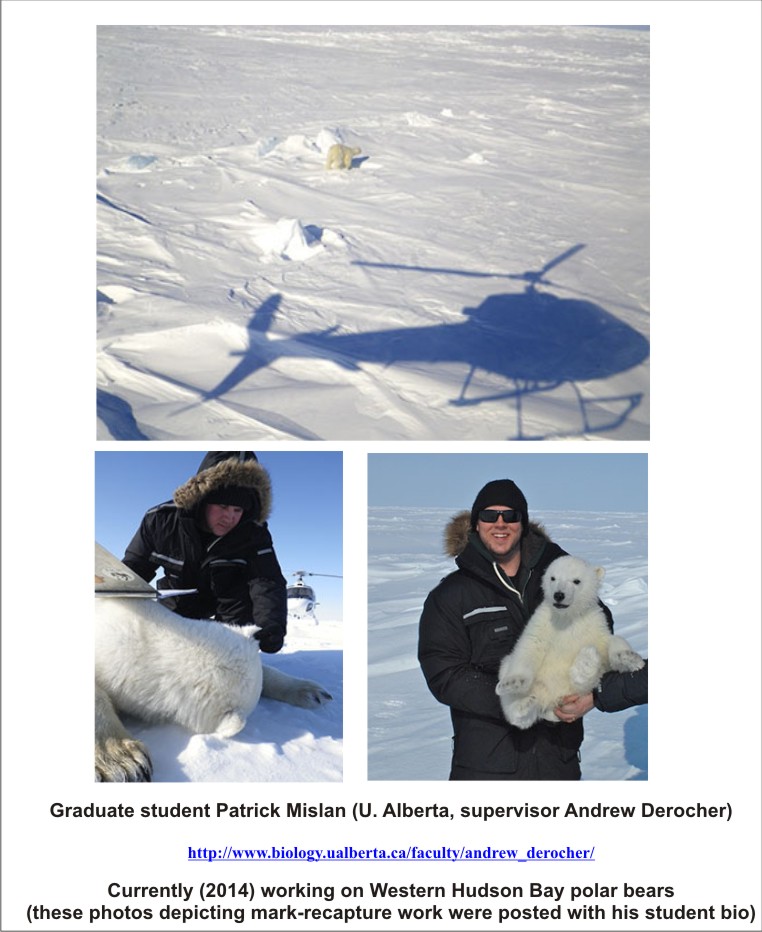
Polar bear biologists doing mark-recapture work in Hudson Bay may have misled the world

What exactly are Western Hudson Bay (WHB) polar bear researchers hiding? Since 2004, research on the body condition and cub production of Western Hudson Bay (WHB) polar bears has been carried out but none of the results of these mark-recapture studies have been made public.

U Alberta student Mislan bio photos_PolarBearScience

The researchers all claim that WHB polar bears are struggling to survive because of recent sea ice changes but won’t release the 10 years worth of updated information they possess on the bears or the sea ice.

Continue reading

Churchill problem bears and early breakup dates in WHB: The 1983 & 2004 anomalies

In this part of my critique of Stirling and Parkinson (2006), regarding breakup dates in Western Hudson Bay (see Part I here), I will show that these authors also left out critical data.

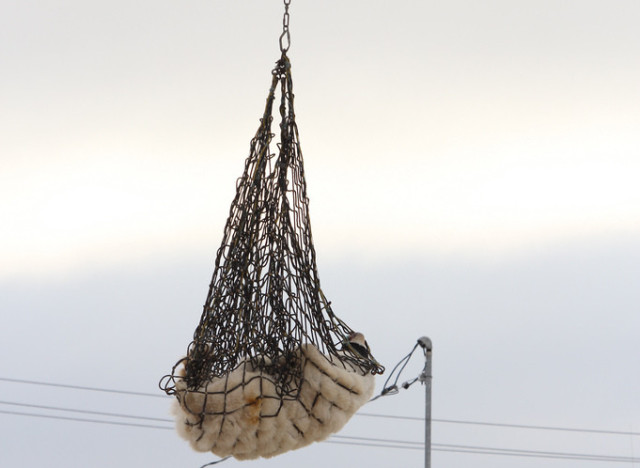
Figure 1. A bear is transported to Churchill’s polar bear holding facility, from a 2011 Huffington Post article “Polar Bear Prison.”

Figure 1. A bear is transported to Churchill’s polar bear holding facility, from a 2011 Huffington Post article “Polar Bear Prison.”

Their correlation between number of problem bears in Churchill and breakup dates for WHB worked because some very inconvenient data were simply left out: problem bear data for 1983 and 2004.

Inclusion of that information would have shown 1983 and 2004 were two of the worst years for polar bear problems in recent history despite being late breakup years (1983 also had the last human fatality from a polar bear attack). They could have explained why they did not use the data but they did not — they simply left it out.

Amazingly, this work is being touted as “evidence” that global warming is harming Western Hudson Bay polar bears.
Continue reading

Andrew Derocher raises the “starving polar bears” issue in DailyMail interview

In what looks like a follow-up to last week’s CBC documentary, The Politics of Polar Bears, the London (UK) based DailyMail published interviews with polar bear biologists Mitch Taylor and Andrew Derocher (September 9, 2014).

The CBC film did have a one scientist vs. another” flavor about it and this article definitely echoes that approach. My comments below on Derocher’s insinuations and questions about starving bears and global warming.
Continue reading

Polar Bears International responds to “The Politics of Polar Bears”

Well, sort of — what they did was provide a logical fallacy reply to an almost incoherent comment by a PBI Facebook supporter who had watched the documentary and complained of bias (such a predictable response).

See what you think, screen-cap below (taken September 3, 2014 at about 2PM Pacific Time.
[UPDATE added September 4, 2014 at 8:30PM Pacific, see below]

Continue reading

“The Politics of Polar Bears” lengthy excerpt airs across Canada – cue the outrage

Umbrage alert! Last night, a half-length short form of the powerful and balanced documentary “The Politics of Polar Bears” aired across Canada on the CBC’s flagship TV news program, The National.

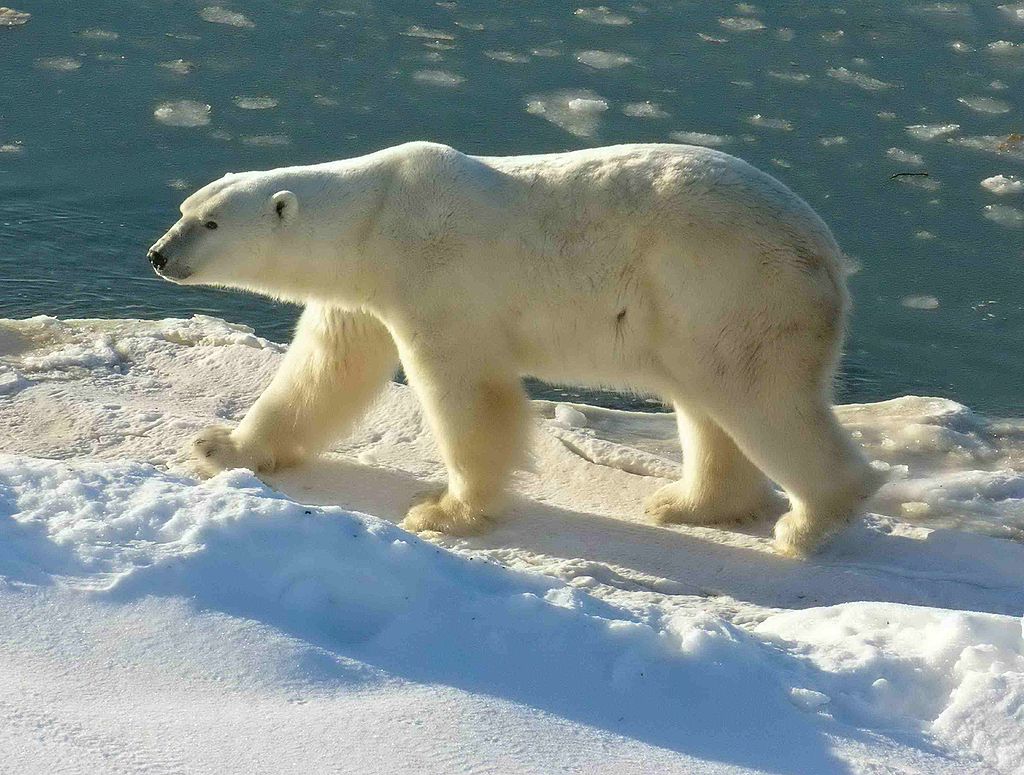
Polar_Bear_2004-11-15_Wapusk Nat Park_Wikipedia

Right after it aired, they followed up with a lengthy online summary by the producer of the film, Reg Sherren (Polar bears: Threatened species or political pawn?”, September 2, with video of the 19 minute short program). Check out the comments below it! Excerpts and my comments below.

[Links to the full length film here and in my previous posts here and here]

UPDATED April 27 2015: Video now available on Youtube, imbedded below Full length video no longer available, short one at CBC here.

Continue reading

Has the tide turned on polar bears as icons of global warming?

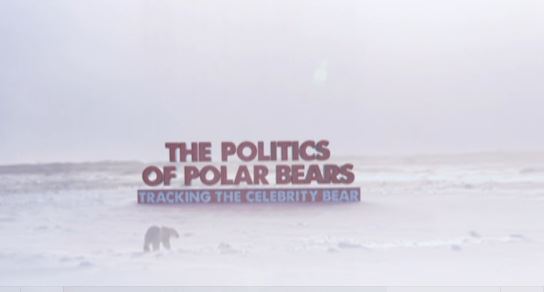
The CBC in Canada is pretty much a mirror image of the BBC in the UK, ABC in Australia and PBS in the US. So you might appreciate my shock at the almost unbelievable balance contained in the recently broadcasted CBC documentary, “The Politics of Polar Bears: Tracking the Celebrity Bear.

The film is a profound change from the hype and pessimism that has dominated the polar bear issue in Canada and abroad, supported unchallenged by the CBC. Finally, TV viewers were given some decently balanced perspective on the status of polar bears in  Western Hudson Bay.

If the take-away message tipped towards reason and optimism rather than panic over the status of polar bears, it’s because the evidence was strongly in that direction.

Politics of polar bears title

Continue reading

Must watch – “The Politics of Polar Bears: Tracking the Celebrity Bear”

This powerful, balanced documentary, with a focus on the bears of Western Hudson Bay, can now be watched online. A Canadian Broadcasting Corporation (CBC) production, it includes interviews with polar bear biologists Mitch Taylor (screen-cap below) and Seth Stapleton – juxtaposed with statements from outspoken polar bear conservation advocate Andrew Derocher.

Politics of Polar bears_Mitch Taylor

I was not mentioned by name (making me “she who cannot be named” yet again?) but host Reg Sherren did discuss the contents of the email I received from PBSG chairman Dag Vongraven earlier this summer about their proposed clarification to the global population estimate (and posted here).

Politics of polar bears title

It can be viewed online at “CBC Player,” in its entirety (45 minutes long), without commercials – see it http://www.cbc.ca/player/Shows/Shows/Absolutely%20Canadian/Absolutely%20Manitoba/ID/2499492515/?cmp=rss

I can’t guarantee those outside Canada will be able to view it but I watched it Sunday night (August 31) from British Columbia. It’s well worth the time.

[Aired originally on “Absolutely Manitoba” (Season 2014, Episode 5, Aug 30, 2014), by Reg Sherren. See announcement article here]

[Note: the “Sharon Crockford” interviewed in the film is no relation to me, as far as I know!]

CBC to air “The Politics of Polar Bears” Tomorrow (Saturday, August 30)

polar-bears_CBC news_Aug 28 2014From CBC News (28 August 2014):

The Politics of Polar Bears” airs Saturday, August 30, at 7 p.m. on CBC Manitoba. (CBC)

Which of the following statements do you think is true?

A) Polar bear populations have been in decline for some time
B) Polar bear populations are healthy

The answer may surprise you

“In The Politics of Polar Bears, Reg Sherren will pick his way through the message track to help you decide what is really happening with the largest land carnivore on the planet.”

See the rest here: http://www.cbc.ca/news/canada/manitoba/are-polar-bears-an-endangered-species-1.2747376?cmp=rss
[Includes a short video trailer]

Will we finally see some balance?

UPDATE: Reg Sherren tells me that “A shorter version will air next Tuesday on The National” an hour-long news and current affairs CBC program which can be viewed live online 9-10PM ET.

Dodgy new clarification of global polar bear population estimate (yes, another)

In an attempt to get themselves out of a mess of their own making, the IUCN Polar Bear Specialist Group (PBSG) has just dug their hole even deeper.

pbsg logo

Although the minutes of their 2014 June meeting (pdf here) contained this statement…

K. Laidre summarized the need for the PBSG to do a better job of communicating accurate and balanced science about polar bears.” Pg. 28

…you might conclude, after reading the rest of this post, that polar bear specialists don’t really understand what these terms mean.

Due to the flack they have been catching over their global polar bear population estimates, the PBSG determined that another clarification was in order. [As opposed to the first clarification, a footnote the group planned to insert in an upcoming report, which PBSG chairman Dag Vongraven sent to me in May)]

The new clarification, apparently co-authored by Steve Amstrup and Andy Derocher (PBSG 17 minutes, pg. 33 – copied below), makes an astonishingly bold claim that I can easily show is untrue.

PBSG 17 minutes_global pop estimate explanation action p33 to post Continue reading