Tag Archives: spring

Last month of Arctic spring fails to bring sea ice to its knees, even in Southern Hudson Bay

Polar bear habitat for June — the last month of spring in the Arctic — is still within 2 standard deviations of the long-term average despite sea ice experts’ predictions that catastrophic declines can be expected any year now.
The Arctic sea ice cover in June 2024 retreated at a below average pace, leading to a larger total sea ice extent for the month than in recent years. NSIDC, 3 July 2024

Oddly, the National Snow and Ice Data Center (NSIDC) employees who wrote up the sea ice summary for June felt it appropriate to bring up a recently-published prediction of impending doom for Southern Hudson Bay polar bears based on a sea ice prediction (Stroeve et al. 2024), which I covered here. The inclusion of this topic is a naked promotion of the Stroeve sea ice modelling paper which not only doesn’t fit the reality of this year’s sea ice conditions but their discussion doesn’t include a single piece of evidence that Southern Hudson Bay polar bears came off the ice earlier than usual.

Continue reading
New data show Svalbard polar bears are fatter than they were in 1993 despite continued low sea ice

Researchers at the Norwegian Polar Institute have finally updated their spring data, which show male polar bears in 2024 were even fatter than they were in 1993 and litter sizes of new cubs were just as high, despite continued low sea ice in the region over the summer months especially.

Continue reading

Polar bear sea ice habitat near the end of Arctic spring 2023

Arctic sea ice is beginning to melt and the end of spring is drawing near. Mating season is over for polar bears as is the gorging on young seals in most regions as weaned pups head into open water to feed for themselves. Only predator-savvy adult and subadult seals remain on the ice while they moult a new hair coat, so successful hunts by most polar bears will become more and more uncommon (e.g. Obbard et al. 2016).

Continue reading

More fat polar bear sightings around homes on Newfoundland’s Northern Peninsula

Two recent incidents really remind me of the opening scene in my polar bear attack thriller, EATEN, and this time both were captured on film. They involved bears in good physical condition and luckily, no one has been hurt. There is still sea ice off the Northern Peninsula, which has brought the bears from the north.

On Sunday (10 April) in St. Anthony, a woman was alerted by her dog to what she though was someone on the front porch and found herself literally face to face with a polar bear when she opened the door; it then hopped up on her roof. The next day, in Goose Cove, a woman watched two bears (probably a female with a two year old male cub) explore the outside of a neighbour’s house and then walk across her driveway.

Continue reading

Spring polynyas in the Arctic then and now as feeding areas for hungry polar bears

Patches of open water in the Arctic that develop in the spring, including polynyas and widening shore leads, are largely due to the actions of wind and currents on mobile pack ice rather than ice melt. Contrary to concerns expressed about possible negative implications of these early patches of open water, these areas have always been critical congregation areas for Arctic seals and are therefore important feeding areas for polar bears in late spring.

Continue reading

Polar bear problems onshore in Svalbard before prime feeding season

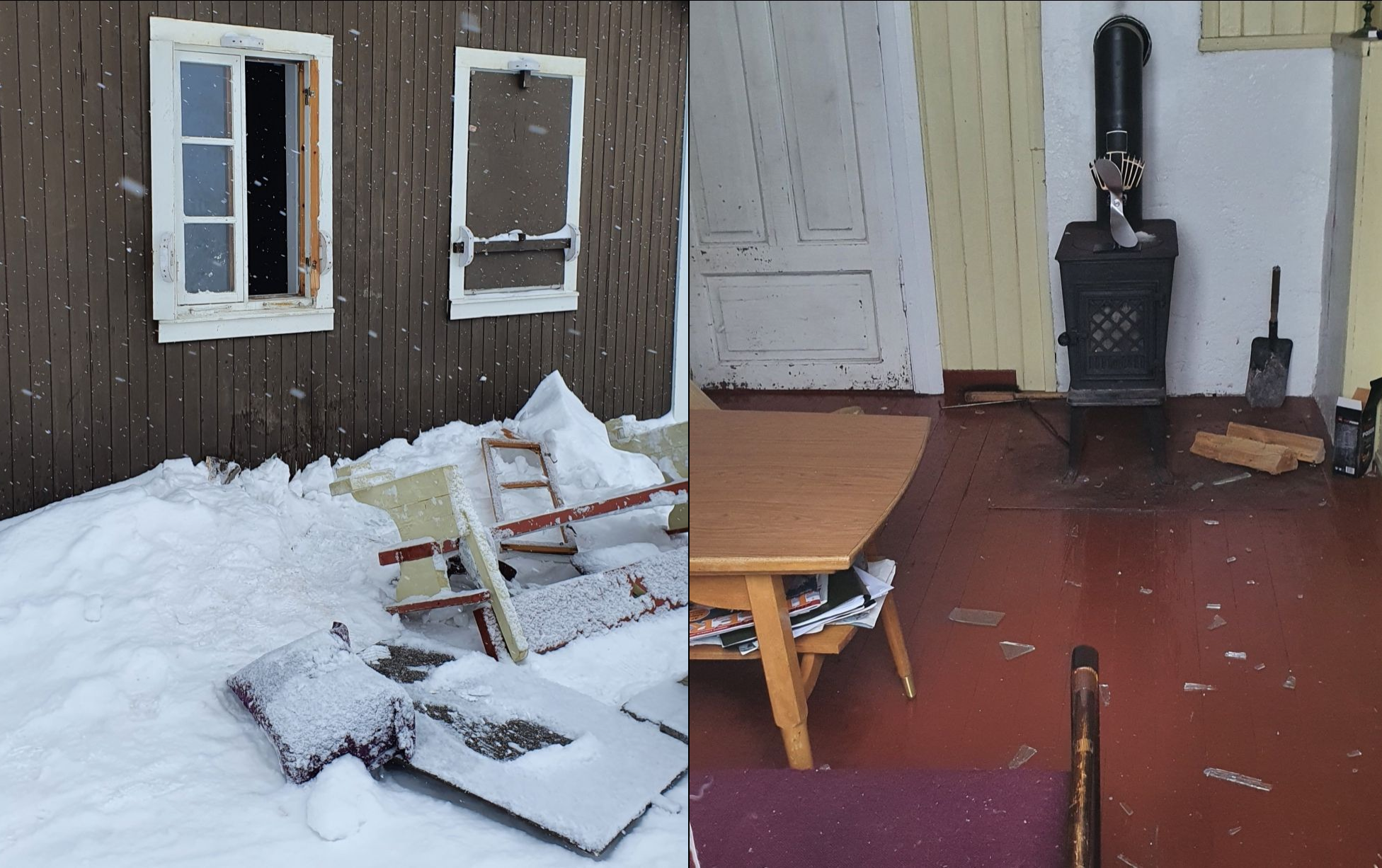
At the end of March there were two polar bear incidents on the same day in Svalbard, where one bear trashed a holiday cabin. Think a door or a window can keep out a polar bear? Think again!

Continue reading

10 fallacies about Arctic sea ice & polar bear survival refute misleading ‘facts’

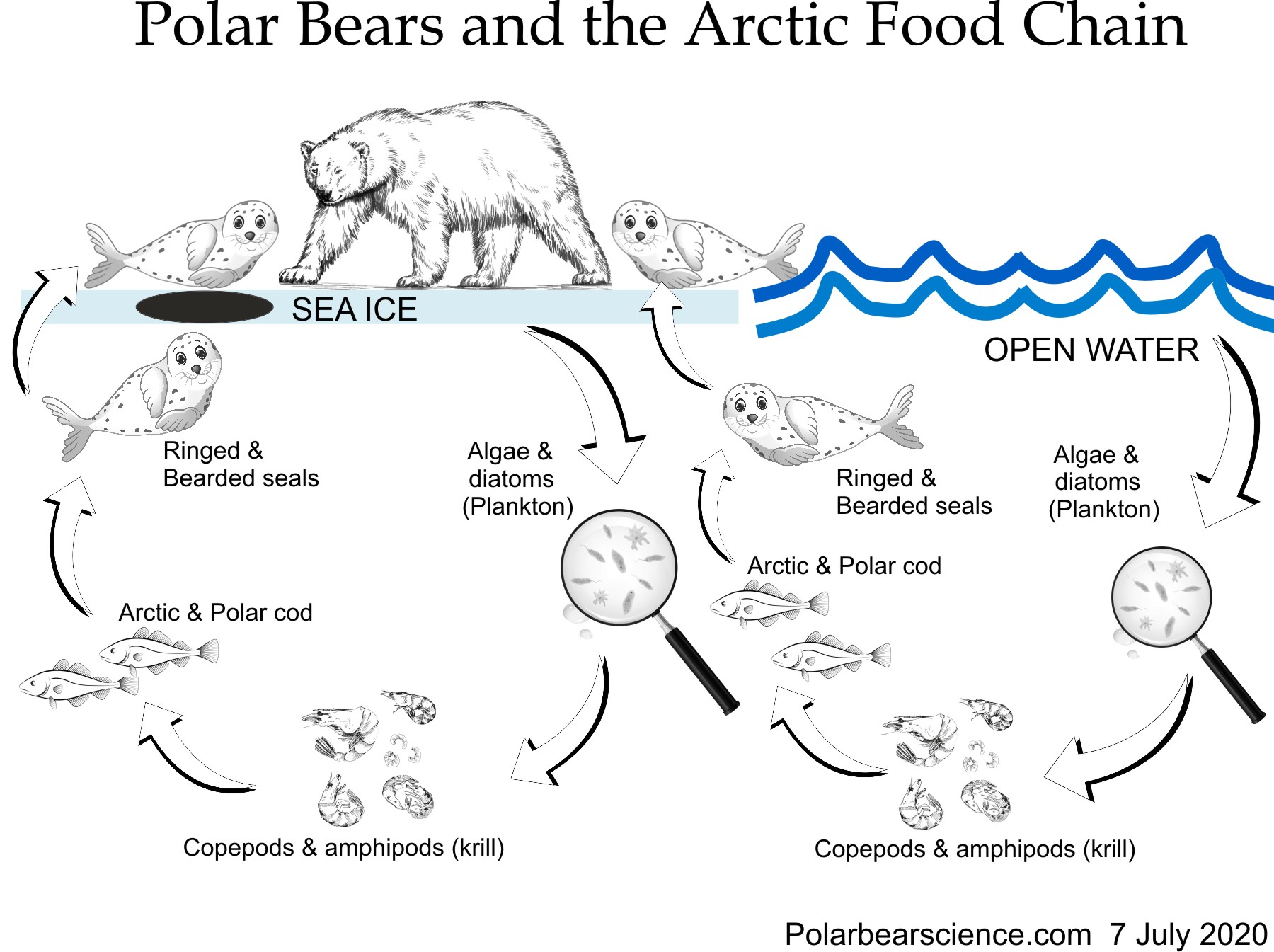
This updated blog post of mine from last year is as pertinent now as it was then: it’s a fully-referenced rebuttal to the misleading ‘facts’ so often presented this time of year to support the notion that polar bears are being harmed due to lack of summer sea ice. Polar Bears International developed ‘Arctic Sea Ice Day’ (15 July) to promote their skewed interpretation of polar bear science at the height of the Arctic melt season. This year I’ve add a ‘Polar Bears and the Arctic Food Chain‘ graphic, which readers are free to download and share. For further information, see “The Polar Bear Catastrophe That Never Happened“.

Polar bear top of Arctic food chain 7 July 2020

Continue reading

Spring feeding season almost over for polar bears & sea ice becomes less important

Here are ice conditions at the end of May, which signals the near-end of the critical spring feeding period for polar bears. This is because young-of-the-year seals take to the water to feed themselves, leaving only predator-savvy adults and subadults on the ice from some time in June onward (depending on the region).

masie_all_zoom_4km 2020 May 31_Day 152

Spring is the critical feeding period for polar bears (Crockford 2019, 2020; Lippold et al. 2020; Obbard et al. 2016):

“Unexpectedly, body condition of female polar bears from the Barents Sea has increased after 2005, although sea ice has retreated by ∼50% since the late 1990s in the area, and the length of the ice-free season has increased by over 20 weeks between 1979 and 2013. These changes are also accompanied by winter sea ice retreat that is especially pronounced in the Barents Sea compared to other Arctic areas. Despite the declining sea ice in the Barents Sea, polar bears are likely not lacking food as long as sea ice is present during their peak feeding period. Polar bears feed extensively from April to June when ringed seals have pups and are particularly vulnerable to predation, whereas the predation rate during the rest of the year is likely low. [Lippold et al. 2019:988]

Continue reading

10 fallacies about Arctic sea ice & polar bear survival: teachers & parents take note

Summer sea ice loss is finally ramping up: first year is disappearing, as it has done every year since ice came to the Arctic millions of years ago. But critical misconceptions, fallacies, and disinformation abound regarding Arctic sea ice and polar bear survival. Ahead of Arctic Sea Ice Day (15 July), here are 10 fallacies that teachers and parents especially need to know about.

Polar_Bear_Summer_2 FINAL (2)

The cartoon above was done by Josh: you can drop off the price of a beer (or more) for his efforts here.

As always, please contact me if you would like to examine any of the references included in this post. These references are what make my efforts different from the activist organization Polar Bears International. PBI virtually never provide references within the content it provides, including material it presents as ‘educational’. Links to previous posts of mine that provide expanded explanations, images, and additional references are provided.

Continue reading

Spring feeding for polar bears is over – sea ice levels are now largely irrelevant

Polar bears in virtually all regions will now have finished their intensive spring feeding, which means sea ice levels are no longer an issue. A few additional seals won’t make much difference to a bear’s condition at this point, except perhaps for young bears that haven’t had a chance to feed as heavily as necessary over the spring due to inexperience or competition.

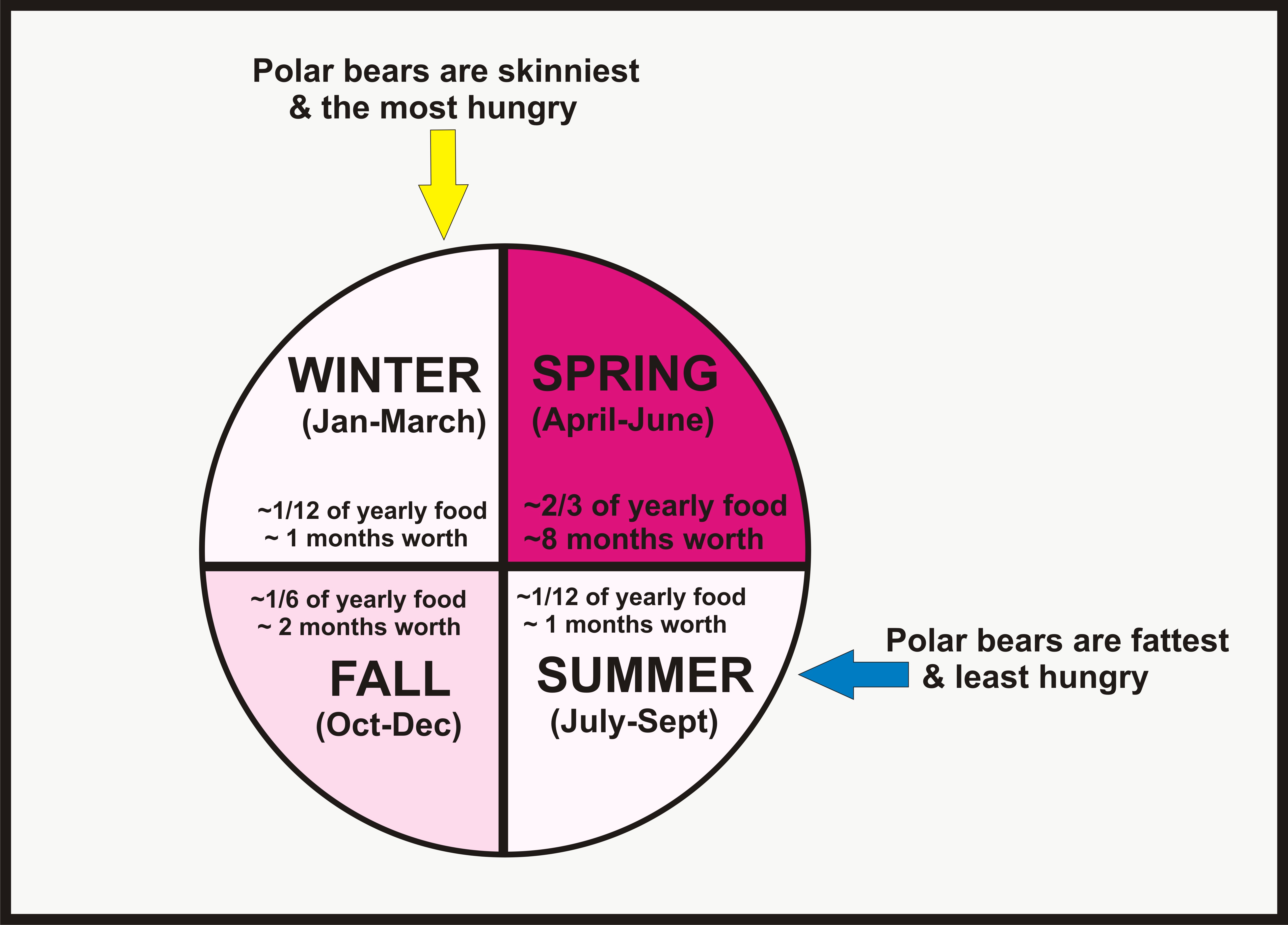
Polar bear feeding by season simple_Nov 29 2015

The only seals available on the ice for polar bears to hunt in early July through October are predator-savvy adults and subadults. But since the condition of the sea ice makes escape so much easier for the seals to escape, most bears that continue to hunt are unsuccessful – and that’s been true since the 1970s. So much for the public hand-wringing over the loss of summer sea ice on behalf of polar bear survival!

Polar bears in most areas of the Arctic are at their fattest by late June. They are well prepared to go without food for a few months if necessary – a summer fast is normal for polar bears, even for those that spend their time on the sea ice.

Putting on hundreds of pounds of fat in the spring to last through periods of food scarcity later in the year (at the height of summer and over the winter) is the evolutionary adaptation that has allowed polar bears to live successfully in the Arctic.
Continue reading