Author Archives: susanjcrockford

My upcoming lecture at House of Lords, London: how to get invited

Benny Peiser of the Global Warming Policy Foundation (GWPF) has arranged for me to give a lecture at the House of Lords (London) on June 11.

Healthy Polar Bears, Less Than Healthy Science
A lecture by Dr. Susan J. Crockford

When: 11 June 2014, 6pm

Where: House of Lords, Committee Room 3, London

Crockford 08_21_2011_0056b

This lecture focuses on recent research results that have shown that polar bear populations are not responding as predicted to recent declines in Arctic sea ice. Despite the fatalistic attitude of many polar bear field biologists, real-world evidence indicates that polar bears are well equipped to survive substantial variations in their Arctic sea ice habitat and have not been harmed by recent low ice coverage. Such resilience over the short term is hardly surprising, since polar bears are now known to have survived a multitude of past climate shifts of almost inconceivable magnitude.

As the venue has limited space, interested readers in the UK may contact the GWPF at info@thegwpf.org for an invitation. They will let you know if places are still available.

Hope to meet some of you there.

Susan

PS. I will be staying near Bristol later that week with relatives (June 13-15) and could take an afternoon or evening for a pub chat about polar bears and other issues, if anyone is interested. Send me a note via the contact page above.
Evolution by geneticists again: yet another date for when polar bears arose

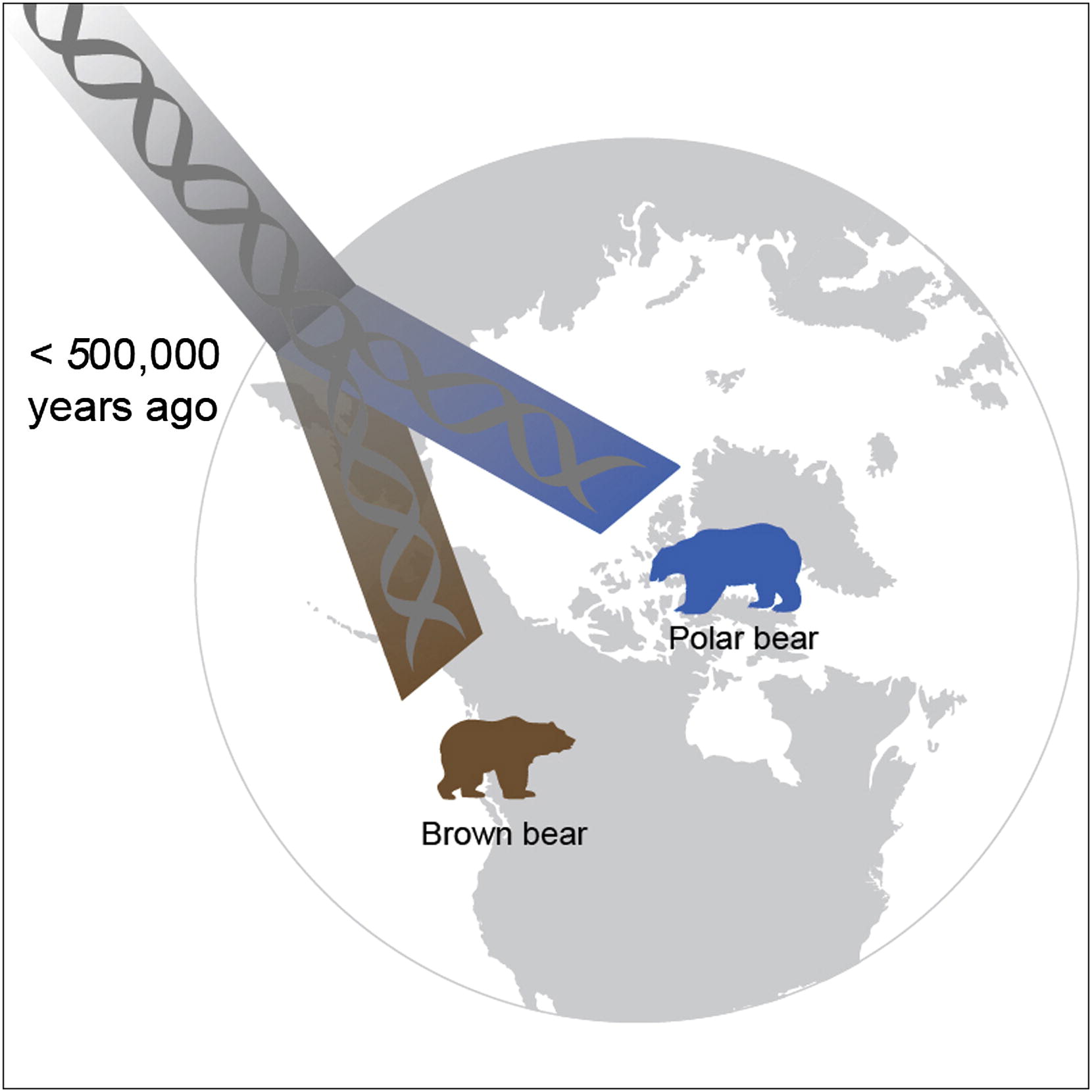
The latest addition to the never-ending story of when-and-why polar bear evolution took place according to geneticists (Liu et al. 2014 — the 8th such paper in less than 4 years, if you can believe it) is getting way, way more media attention than it deserves.

Lui et al. 2014 figure provided in the abstract.

Liu et al. 2014 figure provided in the abstract.

This multi-member research team used a new data set (mostly Scandinavian brown bears and Greenland polar bears, for a change) to add not much of anything new on the evolutionary insight front except yet another estimate of when polar bears came to be.1

However, the real focus of the paper is the description of their finding of a few genetic differences between brown bears and polar bears that they identified. They found a few genes in polar bears were different than brown bears and made a boat load of assumptions about what these might mean.

Their discovery was not accompanied by any attempt to demonstrate that the changes in gene architecture they found also involved a change in the function of the genes or were associated with different effects on bear physiology. If a changed gene cannot be shown to act differently or to have a demonstrated new physiological effect on the animal in question, the changes themselves mean next to nothing – especially for evolution!

That’s my take – see what you think. It looks long but a lot of it is quotes.
Continue reading

Ancestor of the polar bear by any name: grizzly vs. brown bear monikers explained

Apparently, all media outlets (except Fox News) so confused the distinction between the two common names used for the ancestor of polar bears, Ursus arctos, that they got the point of a recent news story totally wrong. An Alaskan journalist explains.

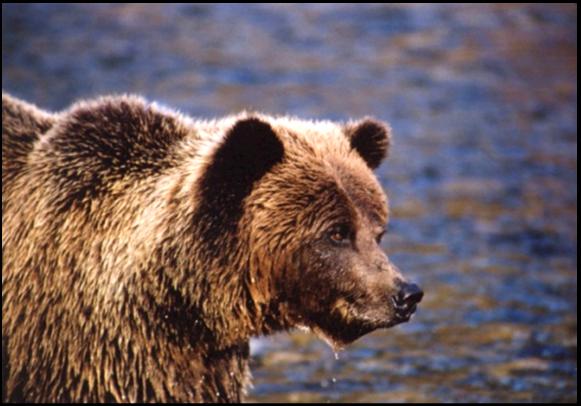
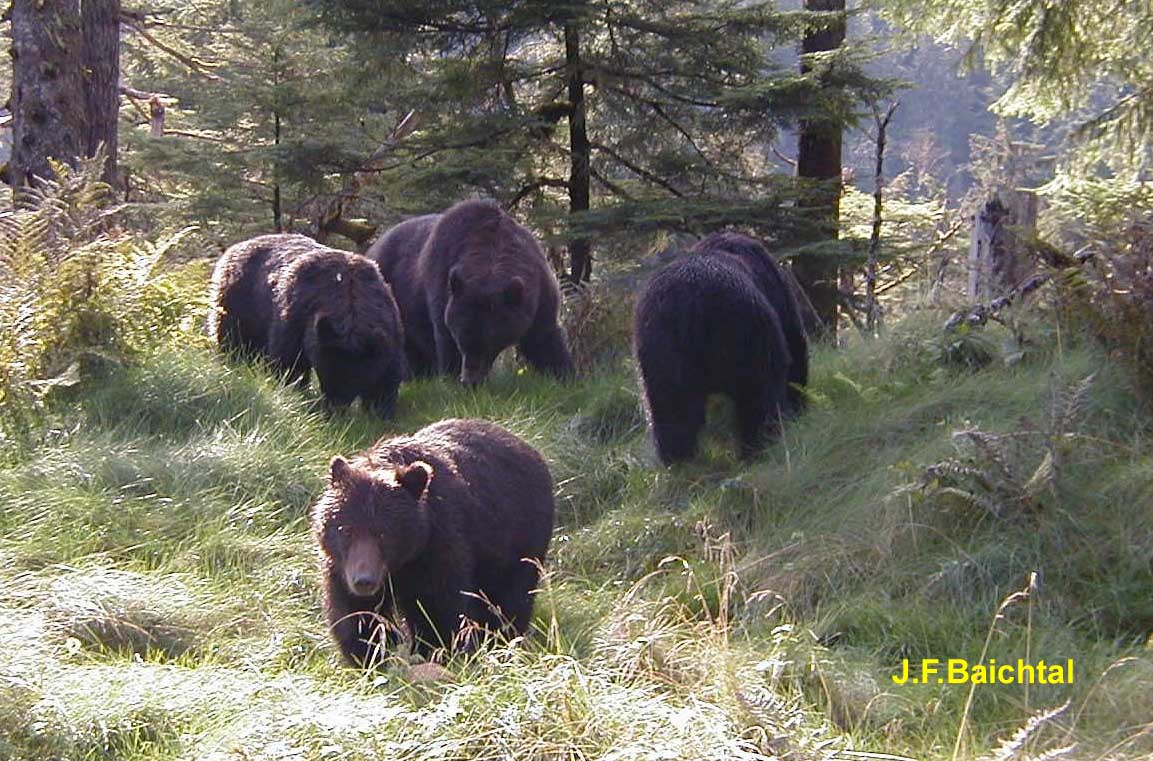
Coastal brown bears from Admiralty Island, southeast Alaska. See previous post here.

Coastal brown bears from Admiralty Island, southeast Alaska (courtesy Jim Baichtal, US Forest Service, Alaska). See previous post here.

Tundra grizzly from the Yukon (courtesy Government of Yukon Territory). These bears also occur across the north slope of Alaska and are the bears that occasionally hybridize with polar bears, as explained here.

Tundra grizzly bear from the Yukon (courtesy Government of Yukon Territory). These bears also occur across the north slope of Alaska and are the bears that occasionally hybridize with polar bears this time of year, as explained here.

Continue reading

Tracking polar bears in the Beaufort Sea – April map not yet available

Cannot do my April follow-up to my post on the July 2013 track map for female polar bears being followed by satellite in the Beaufort Sea by the US Geological Survey (USGS) – Ten out of ten polar bears being tracked this summer in the Beaufort Sea are on the ice.

“Tracking Polar Bears by Satellite” has not yet been updated with the April map, which is unusual for this late in the month (it is usually updated within the first few working days of every month). Perhaps the sea ice data they use was late being processed?

Here is the map for March, discussed previously here.

Figure 1. Movements of 5 satellite-tagged polar bears for the month of March, 2014. Polar bears were tagged in 2013 on the spring-time sea ice of the southern Beaufort Sea. All 5 of these bears have satellite collar transmitters. Note that the dots with the polar bear icons are the end points (end March), while the other end of the string is their position in early March. These are the same 5 females that were present in January. Click to enlarge.

Figure 1. Movements of 5 satellite-tagged polar bears for the month of March, 2014. Polar bears were tagged in 2013 on the spring-time sea ice of the southern Beaufort Sea. All 5 of these bears have satellite collar transmitters. Note that the dots with the polar bear icons are the end points (end March), while the other end of the string is their position in early March. These are the same 5 females that were present in January. Click to enlarge.

Previous dates for tracking available here.

Polar bear habitat update – ice coverage at the beginning of this year’s critical feeding period

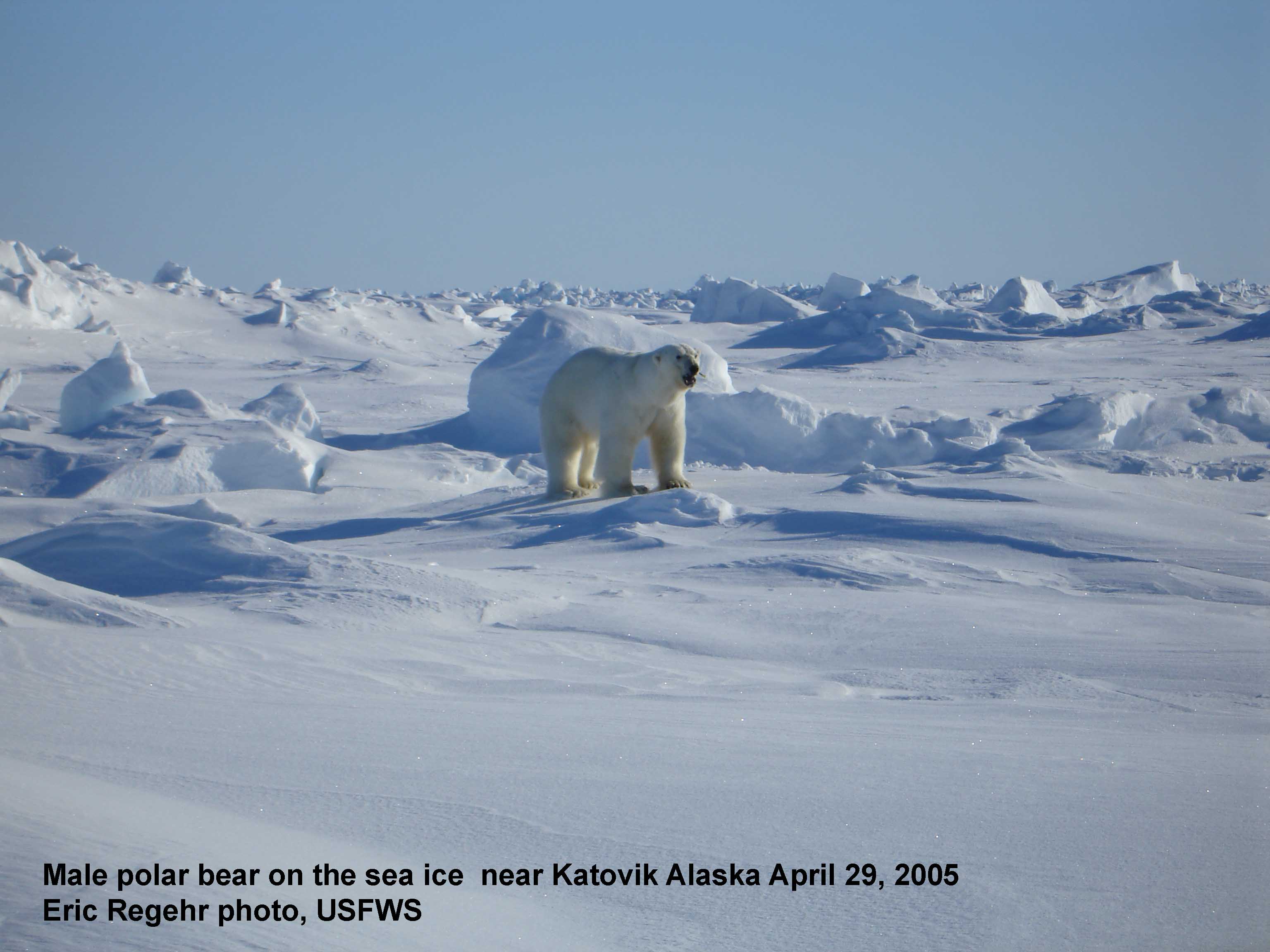
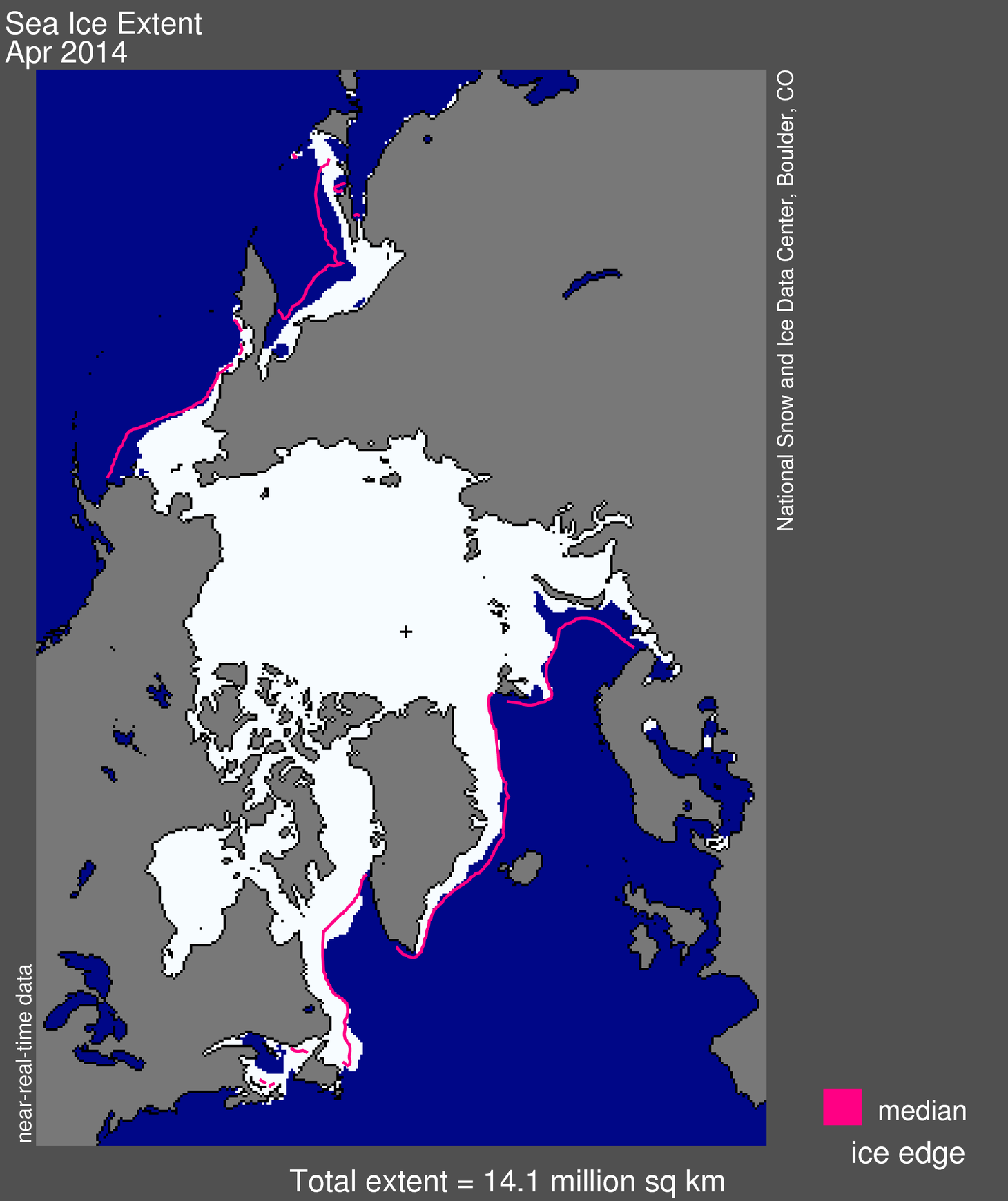
Polar bears are all out on the sea ice at this time of year, feeding on new-born seal pups. Here’s a look at what the ice conditions are like at this critical time.

Polar_Bear_male on sea ice_Alaska Katovik Regehr photo_April 29, 2005_sm labeled

end April extent NSIDC May 4

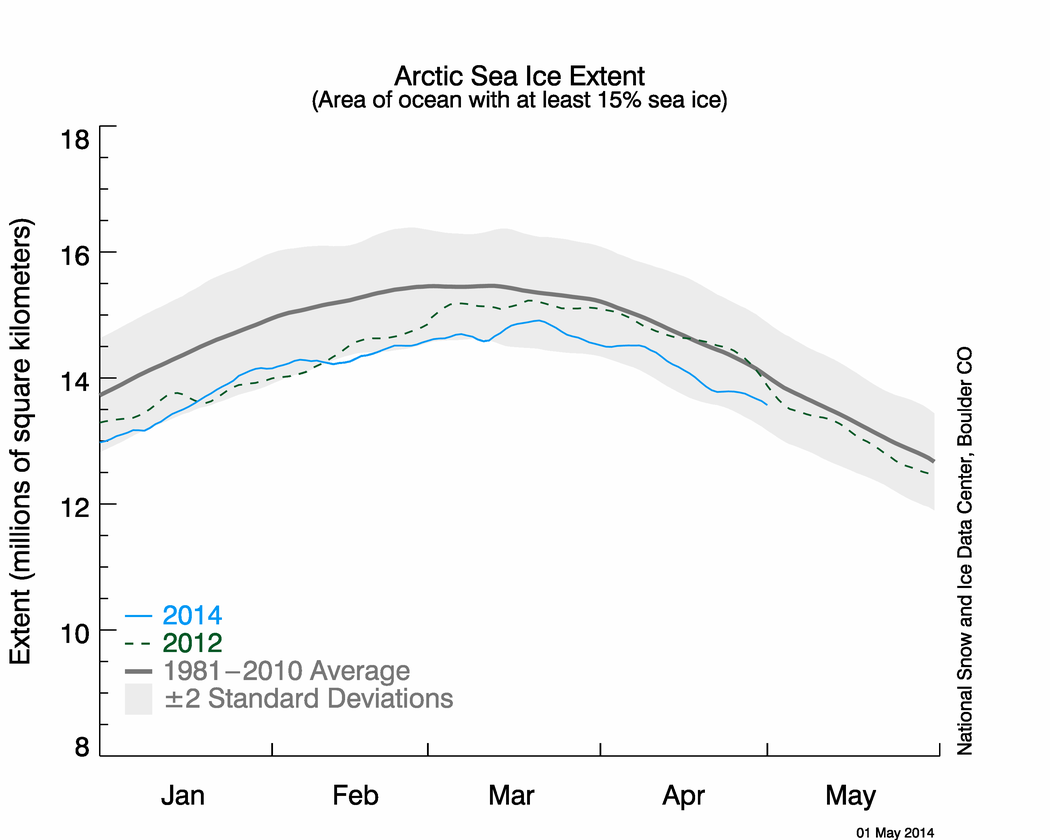
The ice extent is still well within two standard deviations from the 1981-2010 average, which indicates no deviation from natural variation, as the graph (below) for May 1, 2014 from the US National Snow and Ice Data Center (NSIDC) shows.

Sea ice extent 2014 May 1_NSIDC_graph

Between the official spring maximum (according to the NSIDC ) on March 21, with a total extent of 14.8 million km2, the ice slowly retreated in some regions and increased in others, while most regions remained pretty much the same. This is an important reminder that the Arctic as a whole is not a homogeneous region but one with marked regional variation.

As has been noted elsewhere (Sunshine Hours), ice in the Greenland Sea (habitat of ‘East Greenland’ bears) and the Barents Sea both increased in extent over this period. Bering Sea ice (habitat of southern ‘Chukchi Sea’ bears) declined markedly but Baffin Bay/Gulf of St. Lawrence ice (habitat of ‘Davis Strait’ bears) declined much less, as NOAA’s MASIE maps copied below show very well.

Continue reading

Earth to Newsweek: polar bear populations have not been on the decline since 2008

A recent Newsweek story about the US Navy having no “rules of engagement” to deal with polar bear encounters leads with alarmist misinformation.

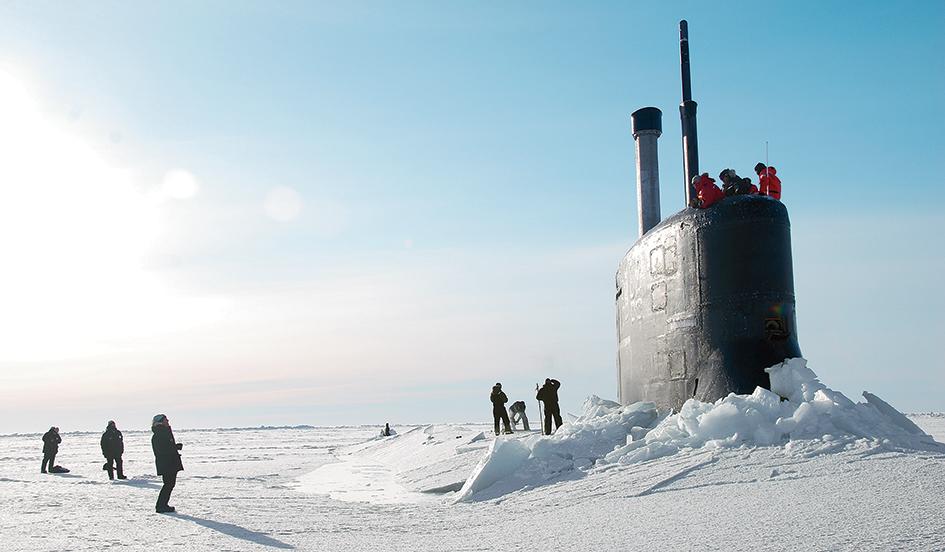
Photo credit Cmdr. Christy Hagen/U.S. Navy

Photo credit Cmdr. Christy Hagen/U.S. Navy

Author Max Strasser (April 30, 2013), in his recent article in Newsweek (As the World Warms, Navy Strategists Plan for an Arctic Rush”) [h/t D. V]

Approximately 25,000 polar bears live in and around the Arctic Circle. Climate change has put the majestic ursines, a longtime favorite of children’s books and Christmas cards, in peril. In 2008, the United States listed them as a “threatened species” under the Endangered Species Act, and populations have been on the decline since then.”

Sigh. Not so Max, totally not so.

Global polar bear numbers have been stable for the last 30 years, as the graphs below show. The proposed ‘threat’ to polar bears is a future decline in sea ice predicted by computer models. The future, Max, is not now.

Polar bear populations are currently doing very well (see my post on the most recent status update report here). On top of that, note that the bears are well distributed throughout available Arctic habitat — one of the accepted hallmarks of a healthy species.

Figure 1. Upper graph uses totals reported in PBSG status tables, with min/max; Lower graph uses the same figures, but adds back in the so-called "inaccurate" estimates dropped 2005-2013. The 1960 figure * is a ballpark estimate. See previous post here.

Figure 1. Upper graph uses totals reported in PBSG status tables, with min/max; Lower graph uses the same figures, but adds back in the so-called “inaccurate” estimates dropped 2005-2013. The 1960 figure * is a ballpark estimate.
See previous post here.

OK, with that error corrected, back to the point of the Newsweek story…

Continue reading

PBI Facebook posts on Stirling’s polar bear that “died of climate change” have disappeared

It seems the two PBI Facebook posts about polar bear expert Ian Stirling’s bear that supposedly “died of climate change” last summer, which included some scathing comments and links to this blog, were removed sometime between late August 2013 and yesterday, when I happened to look for them.

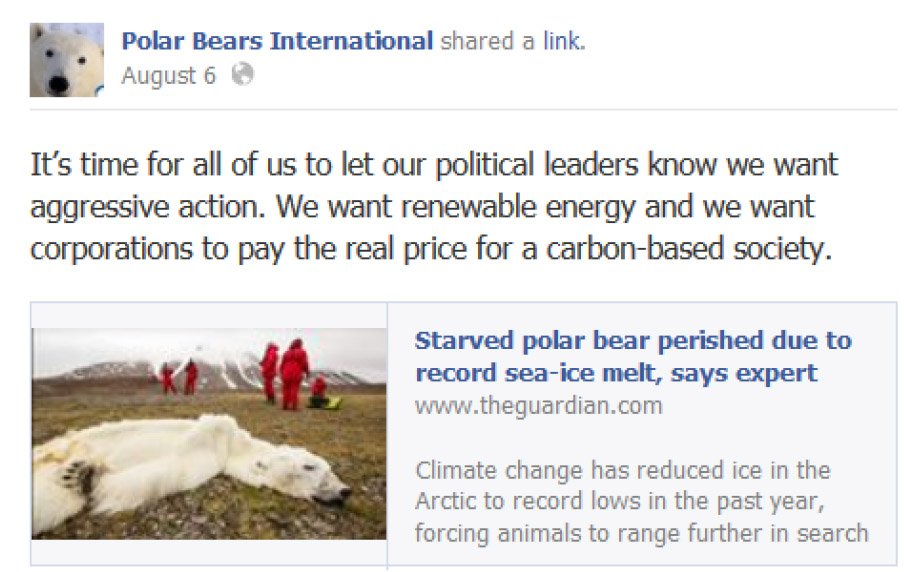
See the screen-caps below. The first one, posted August 6, linked to the original Guardian article on the Svalbard bear and added some activist spin for good measure!

Polar Bears International Facebook_Aug 6

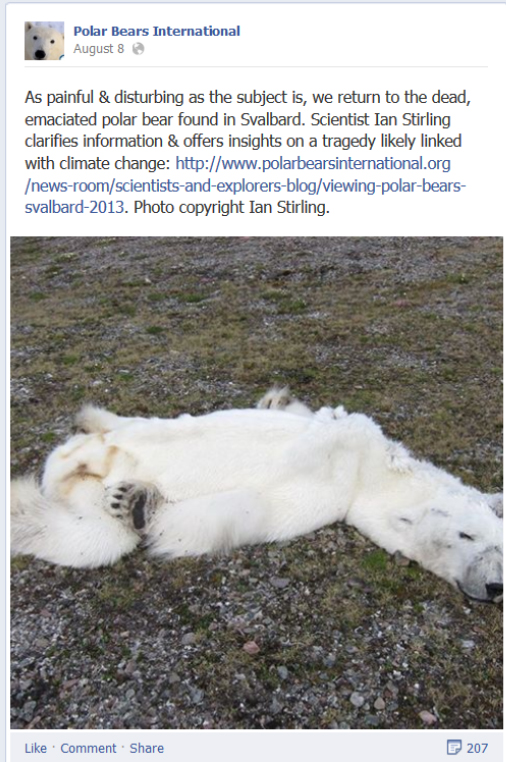
The second one, posted August 8, linked to an PBI news item that introduced a PBI blog post written by Stirling, in which he attempted some damage control.1

PBI link to Stirlings blog post on the bear that died of climate change_with activist spin_Aug 8 2013

[Reprise: Stirling speculated that a 16 year old bear found emaciated and dead in Svalbard, three months after it had been captured by researchers in good condition, had died of starvation due to lack of sea ice caused by global warming. Guardian writers transformed this into a bear that “died of climate change.” No mention from in the original story that 16 years is near the maximum life expectancy for male bears in the wild, that death by starvation is the usual cause of death for very old bears, or that other bears in the area were doing just fine (based on the fact that the Norwegian team working that area had just posted their data online). See my original post here, followup here, Featured Quote #44, here and footnote below]

Stirling himself (a “scientific advisor” to Polar Bears International, PBI), and the-polar-bears-are-dying message generally, took a big hit over that incident. But attempting to rewrite history? See the screen-cap below, taken yesterday (pdf here):

PBI_Fan Photo Day Aug 6 to Aug 13 gap_Svalbard bear story gone_April 29 2014

The deletion of these two entire entries suggests that PBI and Ian Stirling would rather their faithful Facebook followers and donors not have a chance to revisit the scathing comments and links to this blog. I assume it is the comments and links that were the offending parts, since Stirling’s blog post at PBI is still there, and of course, the news stories carried elsewhere are still out there. So instead of deleting comments, they removed the entire posts.

Good thing I saved screen caps of many of the more critical comments, from at least two PBI Facebook followers I’ve never heard of — have a look. [August 6th post was also captured by the cache machine]
Continue reading

My interview with CNS News: “Alaskan Polar Bears Threatened…By Too Much Spring Ice”

Not bad, as these things go, but the reporter made one error that needs correcting – so I’m doing it here to set the record straight, just in case it does not get taken care of in the original story.

CNS News reporter Barbara Hollingsworth had seen my post last week, “Current ice conditions don’t bode well for Beaufort Sea polar bears” and wanted to talk to me about it. It was a little rushed, but I agreed.

This is how it turned out, with the error corrected and an updated ice thickness map.
Continue reading

New polar bear exhibit at Winnipeg zoo will help make it “self-sustaining”

Here’s a development I’m sure you’ll find surprising: the July opening of the new polar bear exhibit at the Assiniboine Zoo in Winnipeg, Manitoba, expected to draw huge crowds this summer, will coincide with a substantial hike in entrance fees.

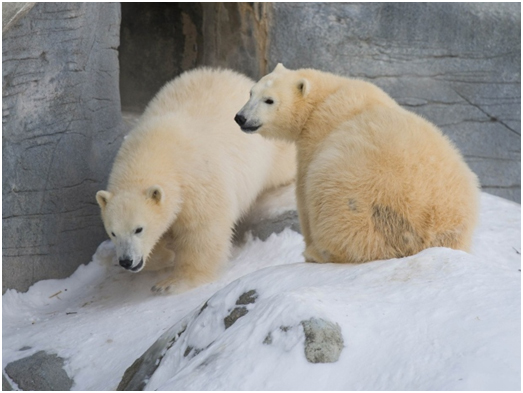
Kaska and Aurora, courtesy Assiniboine Park Zoo.

Kaska and Aurora, courtesy Assiniboine Park Zoo, Winnipeg.
Aurora is the cub orphaned in Churchill last year when her mother was shot.

Starting July 3, the fee for adults will increase from $10.24 to $18.50, not including GST. Said a CBC News report earlier today:

“Officials said the admission prices are being adjusted to “reflect the industry standard across zoos in North America” and bring the Winnipeg zoo closer to being a self-sustaining facility.

“Our job was to build a world-class and increasingly self-sustaining facility that allowed the [Assiniboine] Park and Zoo to be dramatically less dependent on tax dollars,” Redmond said.”

So, that’s why having polar bears in zoos are a good thing. Didn’t I say that last year? See the whole story here, more comments below.

Continue reading

Current ice conditions don’t bode well for Beaufort Sea polar bears

Thick spring ice along the shore of the Eastern and Southern Beaufort is bad news for polar bears, especially females emerging from their dens with new cubs. Are those conditions developing now?

Beaufort Sea pressure ridges_Spring 1949 wikipedia sm

Every 10 years or so, since at least the 1960s, nearshore ice gets too thick for ringed seals to maintain their breathing holes and many breeding seals depart the area. This leaves a lot of polar bears without the baby seals they need to consume to get them through the rest of the year (that’s if they don’t (or can’t) leave themselves).

I’ve discussed various aspects of this phenomenon before, with references – see the list at the end of this post.

Sadly, we are on schedule for such conditions to recur – could be this year, could be next. The last time of heavy spring ice was 2004 and previous heavy ice conditions occurred the springs of 1964, 1974 (the worst), 1984, 1992 and 2004. The 2004-2006 event was reportedly almost as bad as the 1974-1976 event.

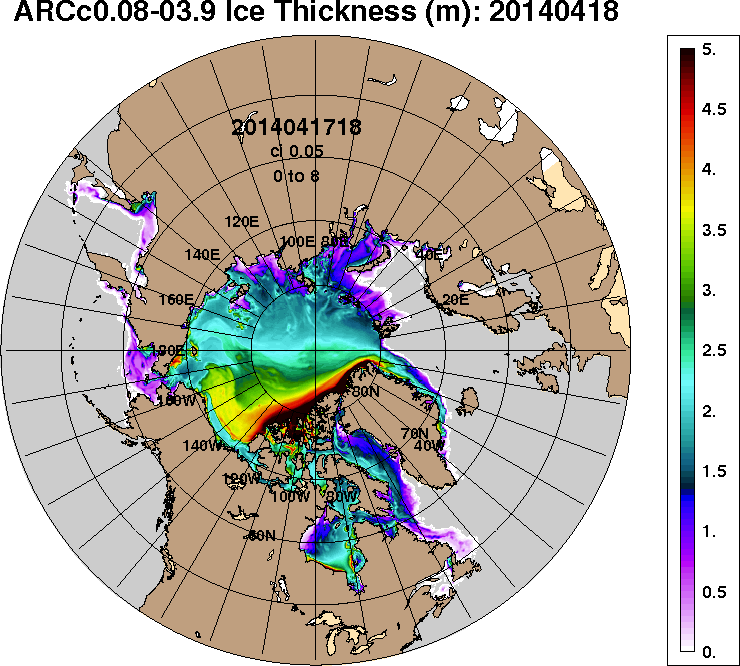
So, prompted by reports of the heaviest sea ice conditions on the East Coast “in decades” and news that ice on the Great Lakes is, for mid-April, the worst it’s been since records began, I took a close look at ice thickness charts for the Arctic. I’m not suggesting these conditions are necessarily related to Beaufort ice, just that they got me thinking.

Here’s a screencap of the US Navy ice thickness animation chart for yesterday [from WUWT Sea Ice Page]

Figure 1. Arctic Sea Ice Thickness (NRL), for April 18, 2014. Look at thick ice (yellow, 3.5-4.0 meters thick) spreading along the north coast of Alaska. See the 30 day animation here.

Figure 1. Arctic Sea Ice Thickness (NRL), for April 18, 2014. Look at thick ice (yellow, 3.5-4.0 meters thick) spreading along the north coast of Alaska. See the 30 day animation here.

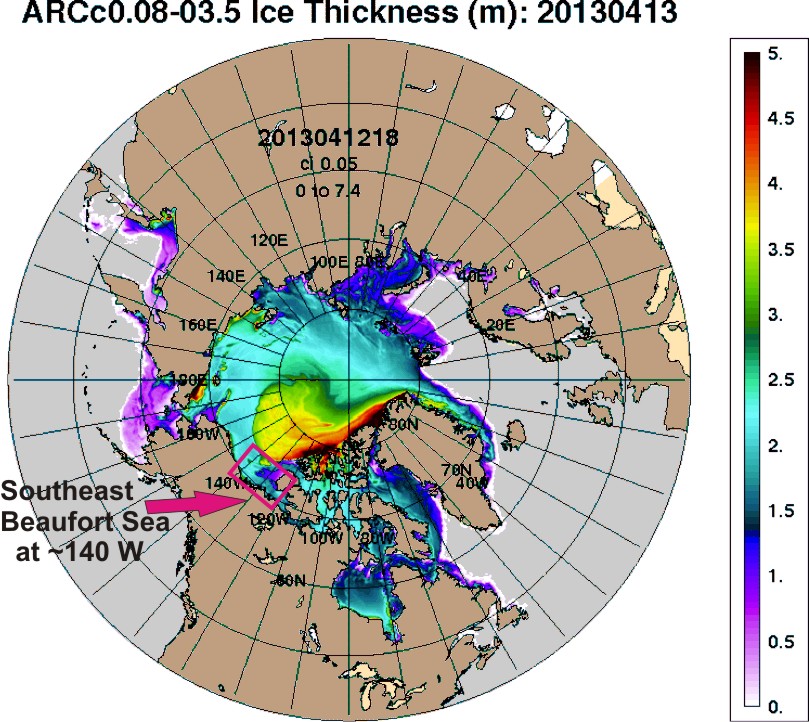
Below is a similar image from about the same time last year, with the Southeast Beaufort Sea marked.

Figure 2. Arctic Sea Ice Thickness (NRL), for April 13, 2013. Southeastern Beaufort marked.

Figure 2. Arctic Sea Ice Thickness (NRL), for April 13, 2013. Southeastern Beaufort marked.

I don’t think this bodes well for Beaufort bears but we’ll have to wait and see if there are any reports of starving bears bit later this spring and summer. Sea ice charts aren’t a guarantee that this heavy spring ice phenomenon is developing in the Beaufort, but they could be a warning.

Below are archived ice age charts from the US National Snow and Ice Data Center (NSIDC) for some previous years when Beaufort bears had trouble, especially 2004-2006, with which I compare this year’s conditions. [h/t Steve Goddard for alerting me to this resource]

Continue reading