Category Archives: Life History

Polar bear habitat update: ice forming along Hudson Bay, Wrangel & Franz Josef Islands surrounded

Western Hudson Bay polar bears near Churchill will be able to leave shore within days, at most one week later than in the 1980s, although you wouldn’t know that from the climate change activists at Polar Bears International who have spent the last week promoting some egregiously false and misleading statements. PBI controls the narrative surrounding Western Hudson Bay bears through their partnership with the biggest polar bear tourist outfits in Churchill and online.
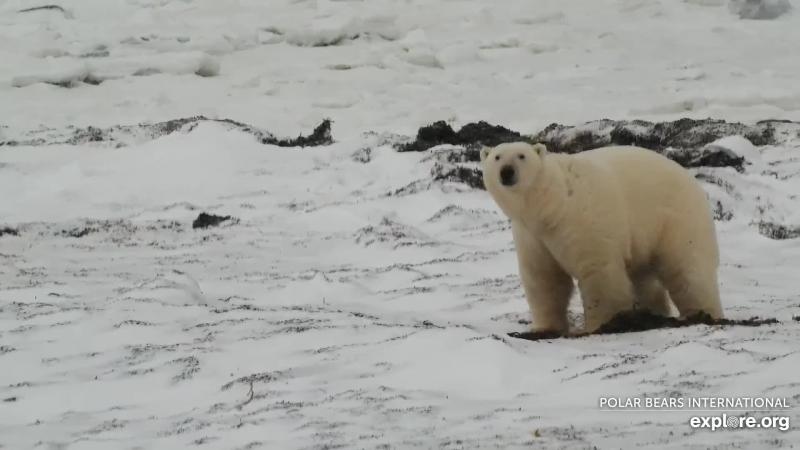
Yesterday, it was “See how the climate crisis is changing their world”.

Developing no slower than it did in 2007 (16 years of no change), Arctic sea ice is providing polar bears in southern regions with their second-most critical feeding opportunities while in areas like Wrangel Island and Franz Josef Land, they now have easy access to and from important summer refuge/maternity denning islands. And contrary to predictions of increased ‘conflict’ between polar bears and people around Churchill, there have been fewer problem bear reports there in recent years, this year included. In other words, there is no ‘climate crisis’ for polar bears, even in Western Hudson Bay, and recent models of a dire future for polar bears are based on totally implausible worst-case climate scenarios. Sea ice loss since 1979 has been so gradual that polar bears have been able to adapt, either through natural selection or changes in behaviour.

UPDATE 12 November 2022. One of the independents on the ground near Churchill had this to say about the bears and freeze-up conditions this year:

“Bears started leaving on November 10; conservation emptied the jail on the 10th as well.”

[the 10th was the day this post was originally published; ‘the jail’ is the Churchill Polar Bear Alert Program’s ‘holding facility’, see report below]. This information suggests the average date for bears leaving shore will likely turn out to be 12-14 November, again earlier than the average for the 1980s (16 Nov +/- 5 days). There may still be a few bears on the shore of Wapusk National Park that seem to be in no hurry to leave, but a few stragglers doesn’t mean there isn’t ice available for hunting.

Continue reading
Polar bear triplet litter spotted near Churchill as ice starts to form along west coast of Hudson Bay

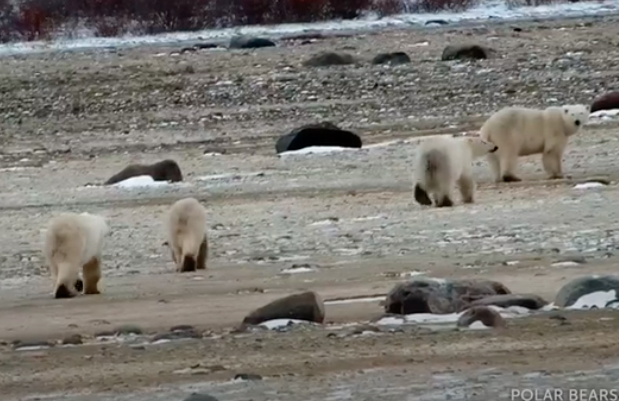
Polar bears, including a litter of triplet cubs (a sign of very good health), are gathering near Churchill, Manitoba where new ice is forming along the coast. This means the fall seal hunt will soon begin, depending on the winds (it might be a few days from now or a few weeks).

See below for some of the images of bears on the shore of Wapusk National Park taken by Explore.org video cams from Tundra Buggy-based cameras, as well as the most recent Churchill problem bear report.

Continue reading

Western Hudson Bay polar bears waiting for the sea ice to freeze as tourists flock to watch

Should only be a few weeks more until the ice forms along the western shore of Hudson Bay, it’s already been snowing. But for the tourist outfitters around Churchill, this is their time to profit from those willing and able to spend big money to see polar bears up close.

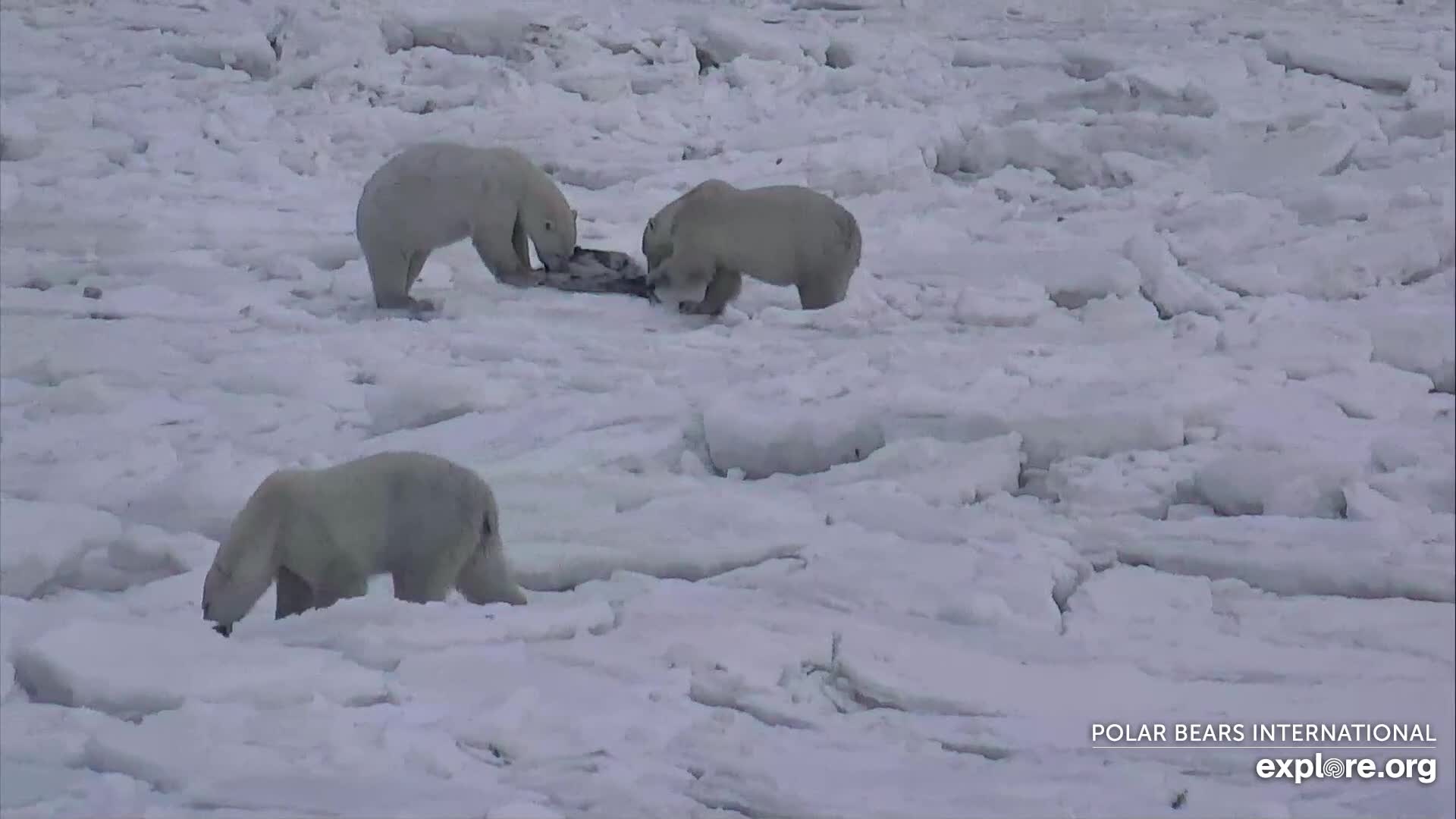
from the Explore.org web cam, 18 October 2022

Those tourists are captive audiences for the global warming propaganda provided by activist organization Polar Bears International: it’s virtually impossible for anyone to escape the climate change doom-mongering in Churchill and that’s a real pity.

Continue reading

New polar bear hunting habitat forming already along the coast of the Laptev Sea: A new trend?

Not even three weeks after the yearly minimum of sea ice extent was reached this year, new shorefast ice is already forming off the coast of Siberia, which is critical fall hunting habitat for polar bears.

Polar bears on a seal kill in new ice, 31 October 2020 in W. Hudson Bay via webcam.

So, not only was this year’s sea ice extent for September at the very lowest extreme of predicted levels for late summer, given ever-increasing CO2 concentrations in the atmosphere, new ice seems to be forming earlier in the fall as well, which bodes well for winter ice formation. It’s looking to me like the decade-long increasing trend of September ice extent since 2012 (see below) may indicate a change more biologically relevant to ice-dependent Arctic animals than the zero trend since 2007.

Continue reading

Video: Fat polar bears on the shore of Hudson Bay near Churchill, one catches a goose

This little snack won’t make much difference to the bear’s survival but rare film footage of an already-fat bear (estimated at 1,000lbs) catching and eating a Canada goose on Friday last week (26 August 2022) just outside of Churchill on the western shore of Hudson Bay is not a bear motivated by starvation to eat something other than seals.

Newsreel of the goose hunt is below; photo of another fat bear, also near Churchill, taken the day before (25 August 2022) is shown above, see more from that day here.

Continue reading

Last WH polar bears ashore even later than 2009 as Hudson Bay finally becomes ice-free

According to Andrew Derocher this morning, the last of his teams’ tagged polar bears have come ashore in Western Hudson Bay, in the last week of August. That makes two years out of the last three when the tagged WH bears came ashore as late, or later than, they had done in 2009 (a very cold year when they were onshore by about 20/21 August), something Derocher failed to mention during a CBC Radio interview also published today.

Don’t forget: this is the subpopulation that polar bear specialists use to model the future of all bears, everywhere in the Arctic but only use stale data from the 2000s because including more recent information would give a much more optimistic picture.

Meanwhile, no further reports from Churchill about problem bears: the last one issued was for the first week in August. Time will tell at freeze-up whether this will be yet another very good year for Western Hudson Bay bears.

Continue reading

Grizzly on the shore of W. Hudson Bay and two tagged polar bears still on sea ice at 17 August

A tundra grizzly was again caught on the live cam set up for polar bears last week (15 August) but was too late for interspecies hankypanky, even as some polar bears lingered on invisible offshore sea ice.

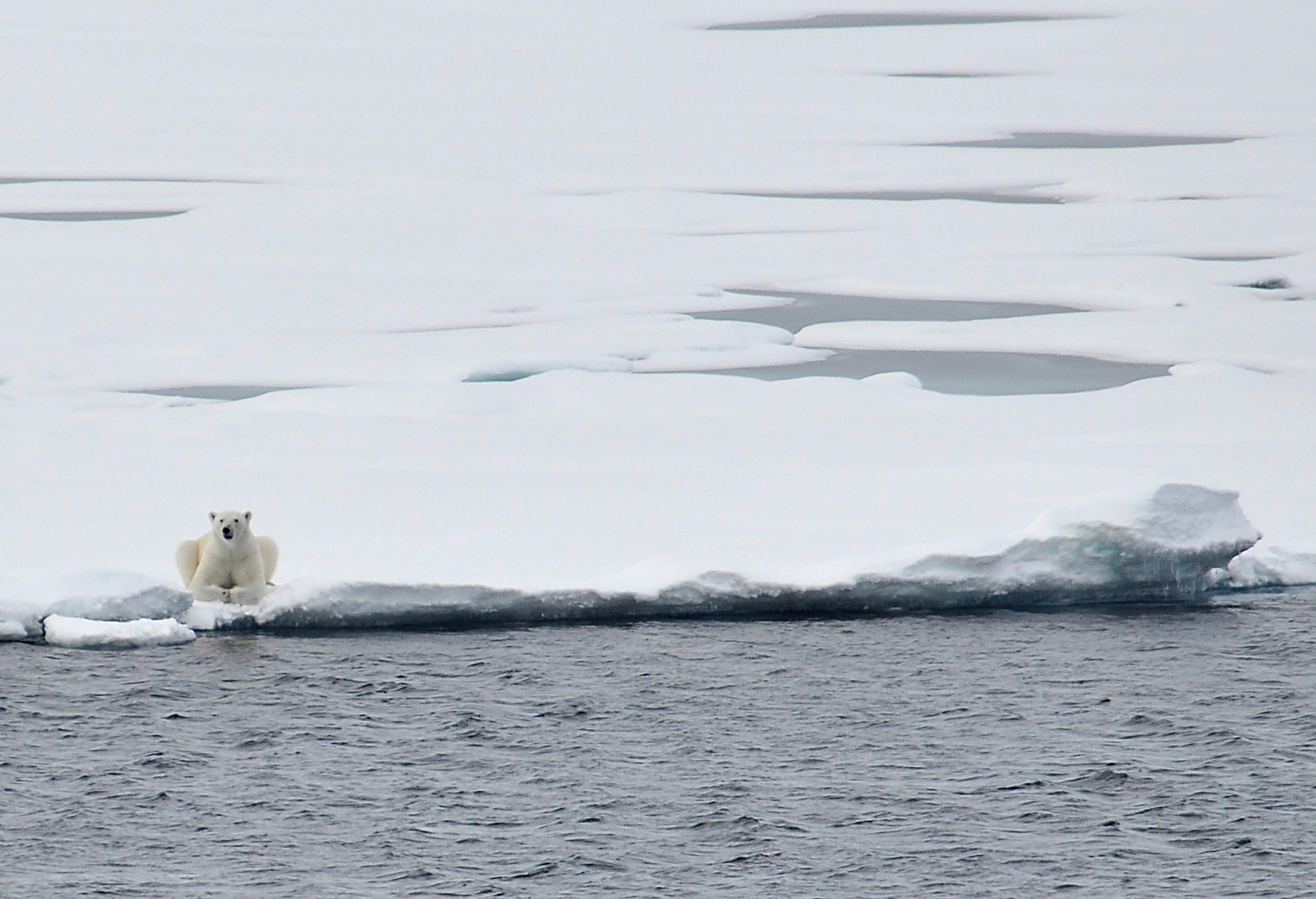
A polar bear rests on the ice Aug. 23, 2009, after following the Coast Guard Cutter Healy for nearly an hour in the Beaufort Sea.

Polar bear specialist Andrew Derocher reported that two of his 23 tagged polar bears were still on the sea ice, a phenomenon that’s been happening since at least 2015 at breakup. Instead of heading to shore when the sea ice concentration dwindles below 50% coverage, some bears are choosing to lounge around on decaying bits of ice, sometimes into late July or well into August, until they must finally swim ashore. There is no evidence that the bears continue to successfully hunt seals under these conditions but no evidence either that their choice to stay on the ice rather than move to land at this time of year has had any negative impact on their health or survival.

Continue reading

Churchill problem polar bear reports for early 2022 have no mention of fat bears or excess sea ice

The first few reports on problem polar bear activity in Churchill are in, posted early this week (two together), starting the last week of July (25-31).

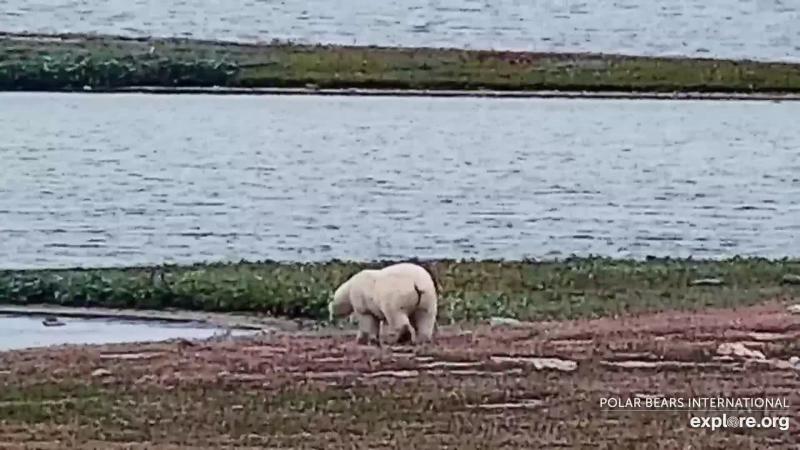
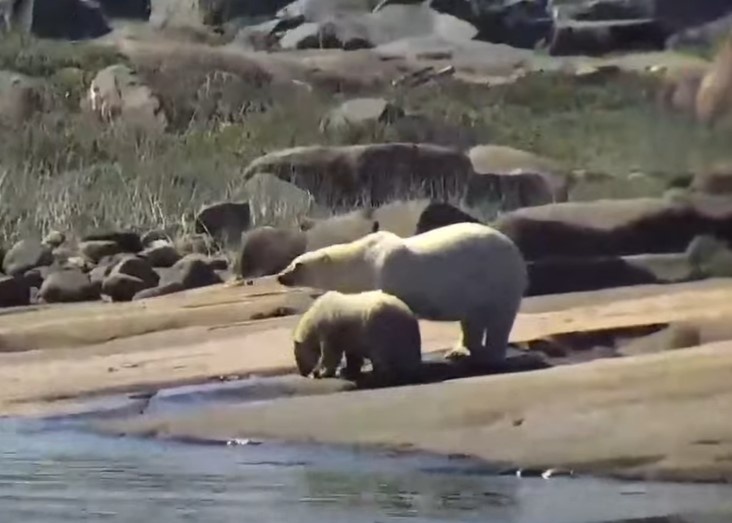
Shore of Wapusk National Park just south of Churchill, 5 August 2022, the back end of a fat bear.

Funny how these reports in recent years (these included) don’t mention the condition of bears the way they used to as recently as 2017 (or the state of the sea ice). I guess it’s so they can’t be used as evidence against the prevailing mantra that western Hudson Bay polar bears that spend the summer onshore are starving because of the lack of ice due to human-caused global warming!

Continue reading

Hudson Bay sea ice update: many polar bears are still on low concentration ice offshore

Almost half of all tagged Western Hudson polar bears are still out on the ice of Hudson Bay, even though much of it is broken up in pieces: as of yesterday, 10 out of 22 bears were still offshore.

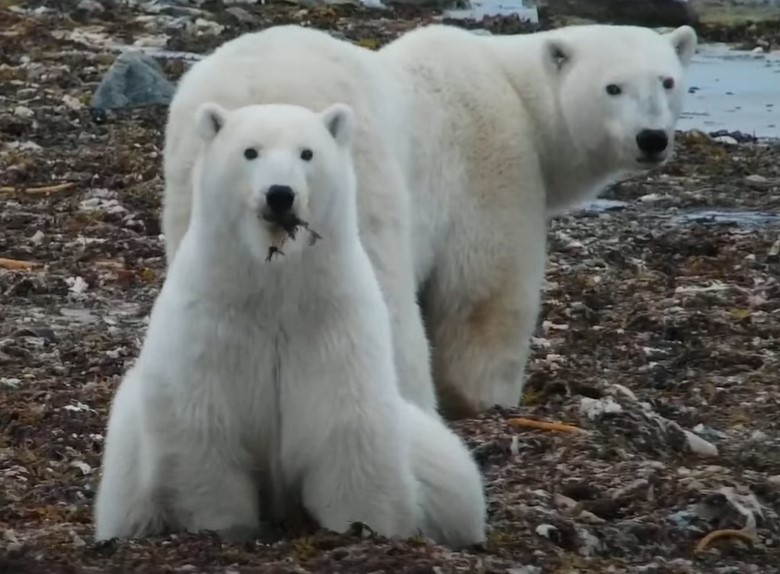
Mother and cub near Churchill last year, 30 October 2021.

This is shaping up to be a great year for Hudson Bay bears!

It also appears none of the bears onshore are causing problems in Churchill, as the Polar Bear Alert Program weekly reports for Churchill have not yet begun. Last year the first report was issued for the first week of July, while in 2020 the first report didn’t come out until the end of August.

Continue reading

Most Hudson Bay polar bears are still offshore, excellent ice conditions for late July

With only a few days until the end of July, most Western Hudson Bay polar bears are still on a thick band of thick first year ice that remains close to shore. The few bears that have come off the ice appear to be nice and fat, indicating they had good spring feeding conditions.

Untagged bear with cub, near Churchill River, 18 July 2022

We’ll have to wait a few more weeks to see if this year shapes up as it did in 2020, when the last of bears didn’t come ashore until the third week of August, despite there being very little visible ice. Last year, most of the bears were ashore by the end of July.

Continue reading