Posted onJuly 22, 2021|Comments Off on Western Hudson Bay polar bears: still some out on the sea ice, some causing trouble
As of Monday (19 July), more polar bears had come ashore near Churchill and on the shores of Wakusp National Park but some are still out on the bay. The pattern of ice breakup this year means most bears will come ashore well south of Churchill and make their way north over the summer and fall. There have been two Churchill ‘problem’ bear reports so far but not one for this week, so I’ll go ahead and post without it.
Posted onJuly 9, 2021|Comments Off on Polar bears have begun to come ashore on Western Hudson Bay
So far, the first evidence I’ve seen of a bear ashore in Western Hudson Bay was one photographed near Churchill Manitoba on 28 June (below).
28 June 2021 near Churchill
However, by 5 July, the first of six collared females from Andrew Derocher’s WH study (below) had also come ashore, as did others along the shore of Wapusk National Park. This is not ‘early’ – just earlier than the last few years. Like last year, however, there is still a fair amount of sea ice left on the bay and some bears seem to be choosing to stay out longer on what ‘experts’ describe as unsuitable habitat. As you can see on his bear tracker map, Derocher uses a filter that shows only ice >50% concentration because he and his buddies have decided that bears so dislike anything less that they immediately head to shore as soon as ice levels fall below this threshold.
Posted onJune 23, 2021|Comments Off on Polar bears of western Hudson Bay still on the ice at third week June
According to the tracker map provided by Andrew Derocher (University of Alberta), all of the western Hudson Bay polar bear females that still have operational satellite collars (deployed in 2019) are still out on the ice of Hudson Bay. The Explore.org live video cam that sits on the shore of Wapusk National Park just south of Churchill has been capturing images of caribou and birds but so far, no polar bears. Last year, the first bear seen onshore by the cameras (shown in the video) was on 13 July.
It wasn’t until a month later that more bears were seen: the fat mother and cub in the screencap below were spotted on 18 July 2020 and the last of the collared bears didn’t come ashore until late August:
This year at 21 June, only 6 collars still operating but only one of them is anywhere close to shore yet (courtesy Andrew Derocher via twitter, below):
That ice in the middle of the bay is still primarily very thick first year ice, as the chart for this third week of June shows (below):
Posted onJune 8, 2021|Comments Off on Polar bear habitat in Canada at the first week of June sees widening of critical polynyas
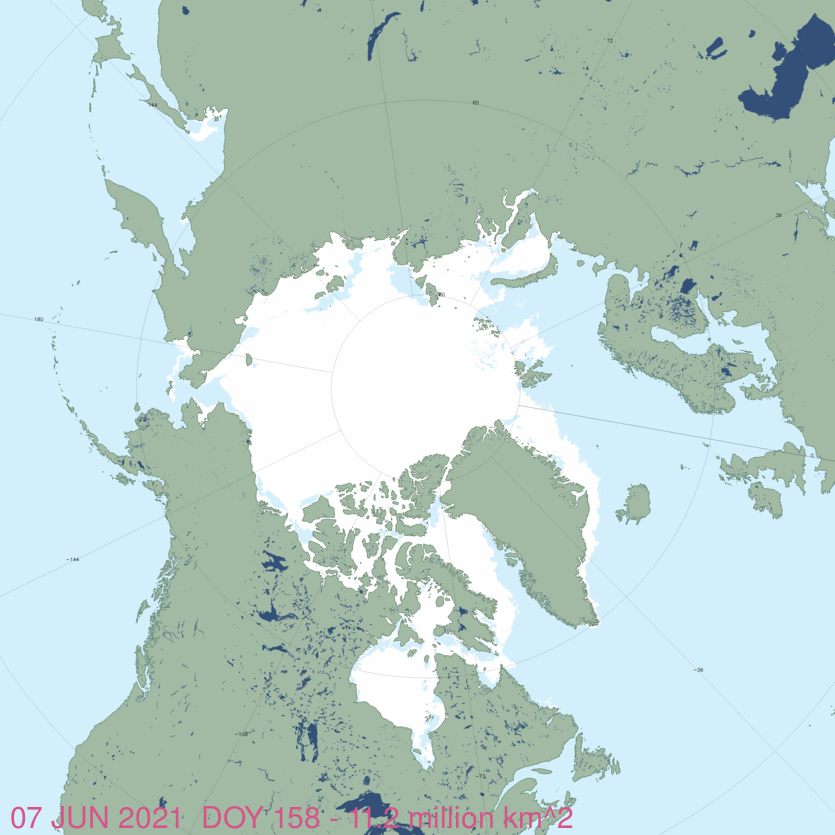
Winds primarily cause the apparent sea ice ‘breakup’ in late spring through the widening of persistent polynyas and shore leads. This year the development of critical open water areas in Canada (which are important feeding areas for polar bears) is on track with previous years in most areas, although there is a lot of year-to-year variability.
Several prominent polynas also opened up along the Russian coast and Northeast Greenland: see the entire Arctic condition at 7 June 2021 below, courtesy NSIDC:
Posted onMay 27, 2021|Comments Off on Surprising sea ice thickness across the Arctic is good news for polar bears
This year near the end of May the distribution of thickest sea ice (3.5-5m/11.5-16.4 ft – or more) is a bit surprising, given that the WMO has suggested we may be only five years away from a “dangerous tipping point” in global temperatures. There is the usual and expected band of thick ice in the Arctic Ocean across northern Greenland and Canada’s most northern islands but there are also some patches in the peripheral seas (especially north of Svalbard, southeast Greenland, Foxe Basin, Hudson Strait, Chukchi Sea, Laptev Sea). This is plenty of sea ice for polar bear hunting at this time of year (mating season is pretty much over) and that thick ice will provide summer habitat for bears that choose to stay on the ice during the low-ice season: not even close to an emergency for polar bears.
Posted onMay 23, 2021|Comments Off on Spring polynyas in the Arctic then and now as feeding areas for hungry polar bears
Patches of open water in the Arctic that develop in the spring, including polynyas and widening shore leads, are largely due to the actions of wind and currents on mobile pack ice rather than ice melt. Contrary to concerns expressed about possible negative implications of these early patches of open water, these areas have always been critical congregation areas for Arctic seals and are therefore important feeding areas for polar bears in late spring.
Posted onApril 22, 2021|Comments Off on Earth Day 2021: celebrate abundant sea ice habitat for polar bear feeding and mating
Late April is the height of the most important polar bear feeding and mating season and there is abundant sea ice habitat across the Arctic for doing both.
Sea ice charts below. Compare to 2018 conditions here; 2015 here; and 2014 here. Sea ice maximum this year was apparently “uneventful” according to the folks at the NSDIC because it didn’t even come close to setting a new low record.
Posted onApril 5, 2021|Comments Off on Polar bear problems onshore in Svalbard before prime feeding season
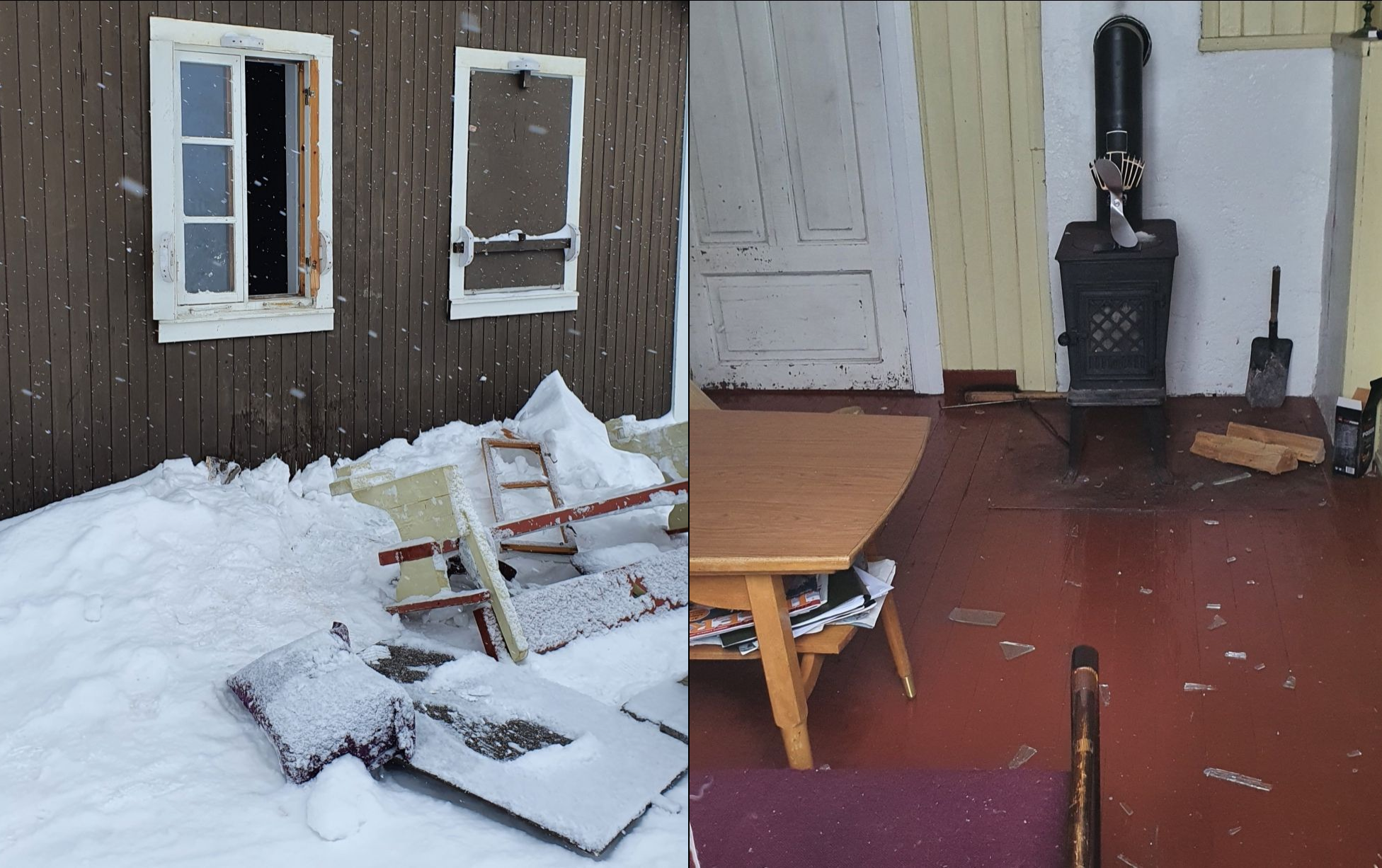
At the end of March there were two polar bear incidents on the same day in Svalbard, where one bear trashed a holiday cabin. Think a door or a window can keep out a polar bear? Think again!
Posted onMarch 22, 2021|Comments Off on Polar bears are an environmental success story: short video from ICSC Canada
From Tom Harris at ICSC Canada: In ‘State of the Polar Bear Report 2020’, zoologist Dr. Susan Crockford writes, “in 2020, even though summer sea ice declined to the second lowest levels since 1979, there were no reports of widespread starvation of bears, acts of cannibalism, or drowning deaths that might suggest bears were having trouble surviving the ice-free season.”
22 March 2021 [1:34]
Comments Off on Polar bears are an environmental success story: short video from ICSC Canada
Posted onMarch 11, 2021|Comments Off on Will low sea ice threaten harp seals & polar bears on Canada’s East Coast this year?
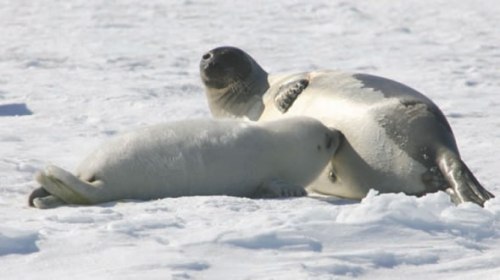
In early February this year, sea ice was much lower than usual along the Labrador coast and virtually non-existent in the Gulf of St. Lawrence, which are two important pupping habitats for North Atlantic harp seals. The picture would have been very bleak for harp seal pups and the Davis Strait polar bears that depend on them for food if ice hadn’t expanded and thickened by early March – but it did. Past experience suggests that harp seals that usually whelp in the Gulf of St. Lawrence, where ice is still well below average this year, will move to ice off Southern Labrador (‘the Front’) to have their pups.
Watch polar bear habitat reform in the Canadian Arctic: “last 10 days” Canadian Ice Service animation (works anytime) HERE.
See Quote archive for details.










 polarbearscience
You must be logged in to post a comment.