Tag Archives: polar bears

Tracking polar bears in the Beaufort Sea – February 2015 map

Here is the February 2015 follow-up to my post on the July 2013 track map for female polar bears being followed by satellite in the Beaufort Sea by the US Geological Survey (USGS) – “Ten out of ten polar bears being tracked this summer in the Beaufort Sea are on the ice.”
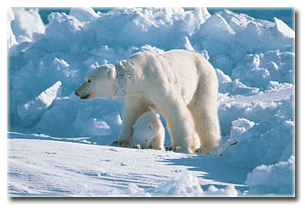
polar_bear with collar_USGS

See that post for methods and other background on this topic, and some track maps from 2012 (also available at the USGS website here). The USGS track map for February 2015 is copied below.

There were 7 bears in February, up from 6 in January, because one of the bears has re-entered the area from elsewhere. However, many bears from the original sample have either had their collars fail, moved out of the area and stayed out, or they have died. We can’t tell from which of those options, or combinations of them, explain the reduced number still being followed.
Continue reading

PolarBearScience has been ‘Carbon Briefed’ – success at last!

Not just anyone warrants the attention of the European rapid response team: only those who get media attention and refuse to stay ‘on message’ about global warming issues get the Carbon Brief treatment.

Pidcock tweet on polar bears at 5 March 2015 6_20PM Pacific

After years of being ignored, I have finally been acknowledged as a worthy adversary [a force to be reckoned with] by those who spin the science of polar bears.

Carbon Brief folks got their knickers in a knot over my “Twenty Good Reasons Not to Worry about Polar Bears” blog post that the Global Warming Policy Foundation released as a Briefing Paper (pdf here). All timed for release on International Polar Bear Day (27 February 2015), which got mainstream media attention galore in the UK.
Continue reading

On being a polar bear expert, among other things

As an interdisciplinary scientist, my recent work reviewing and summarizing polar bear science fits cohesively into my career. In this essay, my 300th blog post, I explain in some detail why ‘polar bear expert’ describes me just as well as ‘dog evolution expert.’ In fact, I have world-renowned expertise in other specialties as well, which will amaze and confuse those who think that a scientist can only ever be knowledgeable about one topic in their lifetime.

Polar bears Stanley park zoo_Crockford 1970s_web

My photo of the polar bears at the Stanley Park Zoo, 1970s.

Continue reading

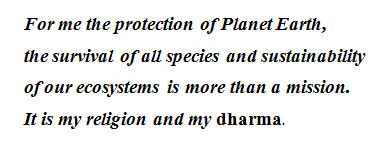
Head of IPCC resigns in disgrace – says protection of species is “my religion”

Rajendra Pachauri, who led the Intergovernmental Panel on Climate Change (IPCC) since 2002, resigned today. He faces possible arrest on accusations of sexual assault, stalking, and harassment of several female employees.

Pachauri quote_resignation letter 24Feb2015You might be as appalled as I was to read the statement above, quoted from Pachauri’s resignation letter — which has nothing to do with the allegations and everything to do with his attitude to science and thus his leadership of the IPCC.

Journalist Donna Laframboise could not have said it better than I regarding Pachauri’s statement:

“Yes, the IPCC – which we’re told to take seriously because it is a scientific body producing scientific reports – has, in fact, been led by an environmentalist on a mission. By someone for whom protecting the planet is a religious calling.

Even here, at the end, Pachauri fails to grasp that science and religion don’t belong in the same sentence; that those on a political mission are unlikely to be upholders of rigorous scientific practice.” [emphasis in original]

The IUCN Polar Bear Specialist Group and conservation organizations like Polar Bears International routinely tout the IPCC as the highest arbiter of science on issues of present and future climate. For 13 long years this man has been their leader.

Add this to “The Politics of Polar Bears.

Read the rest of Donna’s commentary here, and the Pachauri resignation letter here.

UPDATE 1 (24 Feb 2015): Amazingly, the press release issued by the IPCC makes no mention of why Pachauri has resigned: http://www.ipcc.ch/pdf/ar5/P41_acting_chair.pdf

East Greenland polar bears – said to be the most polluted but appear to be doing just fine

I’ve not written much about this subpopulation before but with the flurry of interest over “weakened” penis bones and toxic chemicals, I thought it was time to remedy the situation.

East Greenland Scorsby Sound March 2011 on Kap Tobin, Rune Dietz (press photo) Rune Dietz

East Greenland Scorsby Sound March 2011 on Kap Tobin, Rune Dietz, press photo

Continue reading

Tracking polar bears in the Beaufort Sea – January 2015 map

Here is the January 2015 follow-up to my post on the July 2013 track map for female polar bears being followed by satellite in the Beaufort Sea by the US Geological Survey (USGS) – “Ten out of ten polar bears being tracked this summer in the Beaufort Sea are on the ice.”

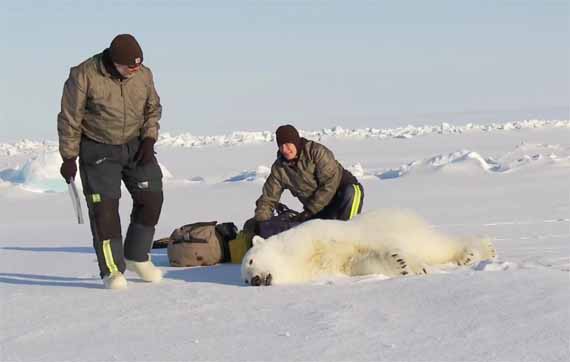
Tranquilized_pb570_S Beaufort March 2014_USGS

See that post for methods and other background on this topic, and some track maps from 2012 (also available at the USGS website here). The USGS track map for January is copied below.

There are only 6 bears being followed now, which means a few more collars have failed, or the bears have moved out of the area or died.
Continue reading

Tracking polar bears in the Beaufort Sea – December 2014 map

Here is the December 2014 follow-up to my post on the July 2013 track map for female polar bears being followed by satellite in the Beaufort Sea by the US Geological Survey (USGS) – “Ten out of ten polar bears being tracked this summer in the Beaufort Sea are on the ice.”

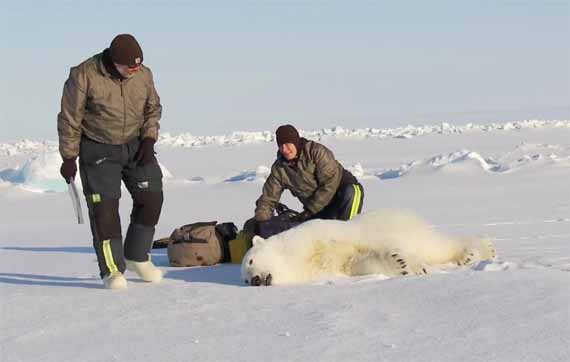
Tranquilized_pb570_S Beaufort March 2014_USGS

See that post for methods and other background on this topic, and some track maps from 2012 (also available at the USGS website here). The USGS track map for December is copied below.

There are only 10 bears being followed now, which means a few more collars have failed, or the bears have moved out of the area or died.
Continue reading

Western Hudson Bay polar bears will still be around in 20 years

This is not a bet or prophesy based on models, it’s my conviction as an experienced zoologist, based on history demonstrating the resilience of the species.

Send_Nico_to_Churchill_PolarBearScience

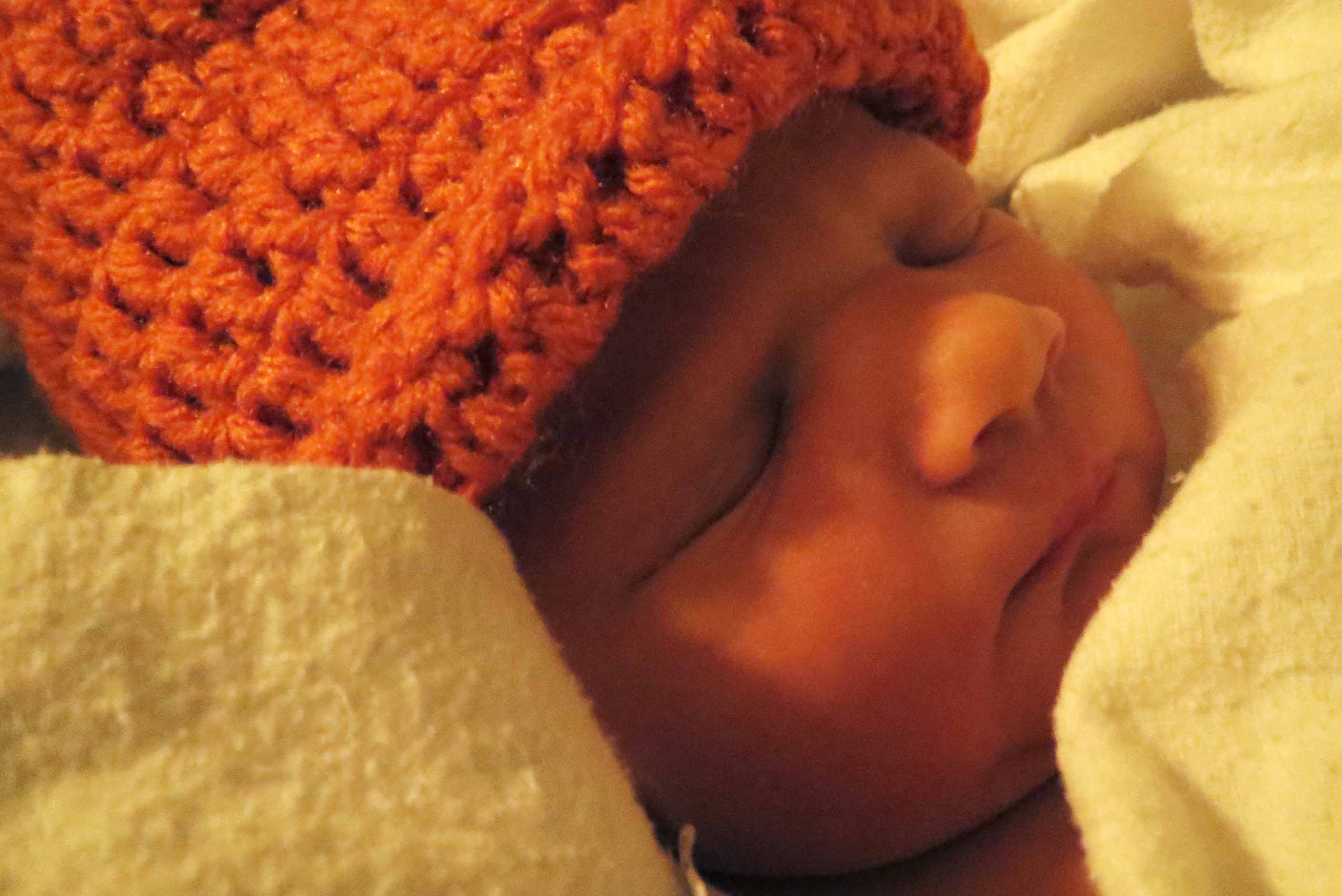
I’m so sure about Western Hudson Bay polar bears that I’ve started a spare-change jar marked “Send Nico to Churchill.” Nico is my new grandson, just two months old now. This will be our first Christmas with a baby in a long time.

Nico_sm

Nico’s special savings account will assure that in 20 years (given wise investments), he’ll be able to see Churchill polar bears in their own element.

Warmest wishes to all my readers and thanks for your support, it is much appreciated.

Susan

Hudson Bay sea ice well above average – excellent early December polar bear habitat

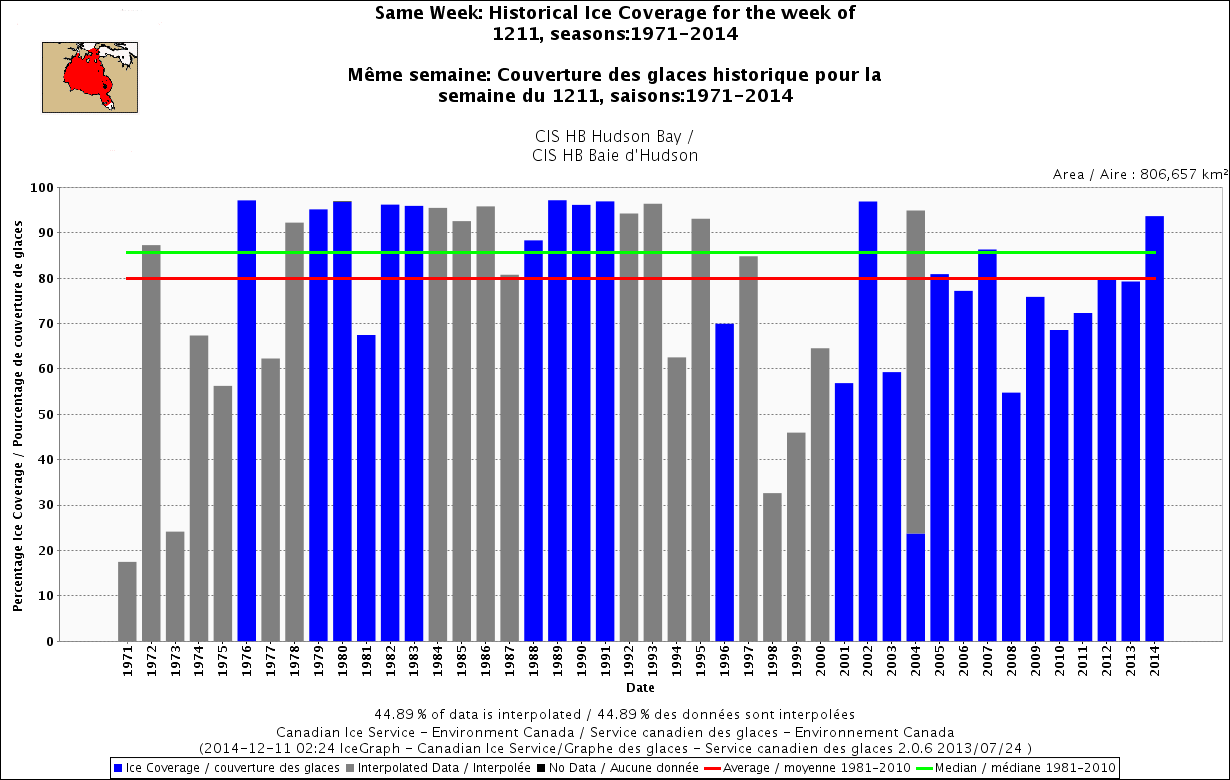
Sea ice development for this date is well above average on Hudson Bay – even more so than last week – making three years in a row of average-to-above average ice habitat available to polar bears in early December (see last week’s ice summary here). Coverage for the week of 11 December from 1971 to 2104 below (from Canadian Ice Service):

Hudson Bay freeze-up same week_Dec 11 1971_2014 w average

More maps below (from CIS and NSIDC), see others here.

Continue reading

W Hudson Bay polar bear mark-recapture study report 2013 – at last

I have finally secured a copy of the 2013 Western Hudson Bay mark-recapture study produced by Environment Canada.

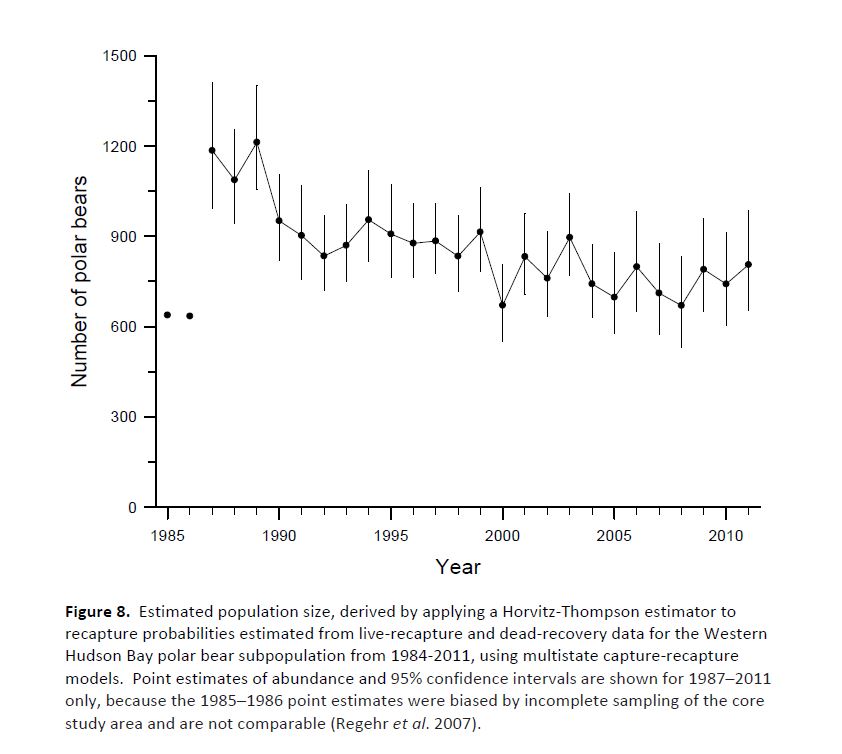
The pertinent figure is below: as you can see, there was no declining trend in Western Hudson Bay polar bears between 2000 and 2011. Click to enlarge.

WH EC Polar Bear Demography report Lunn 26 Nov 2013 Final _Fig 8

I have relatives visiting so I don’t have time to do an in-depth summary but the report’s opening “Summary” is copied below and a pdf provided. More later when I have had time to look at it more closely. Background on the issue here.

Continue reading