Category Archives: Advocacy

Where have all the walrus gone?

Yes, I wondered too. After all the kerfuffle at the beginning of the month there’s been rather dead silence [see my last post here]. So I Googled and found some tidbits.

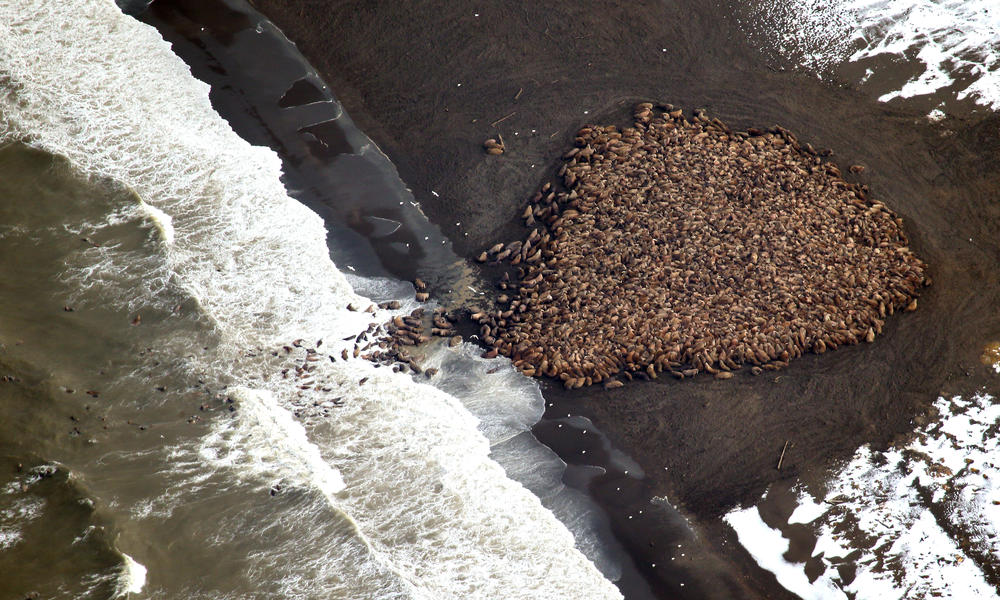
Chukchi Sea walrus, June 2014. US Fish and Wildlife Service.

Chukchi Sea walrus, June 2014. US Fish and Wildlife Service.

An article a few days ago at one media outlet (October 8, 2014) asked someone from the WWF what happened to the ~35,000 females and calves onshore near Point Lay, Alaska — because really, who else would you ask? Or, perhaps more to the point, would anyone at USGS be expected to answer?

And one online media outlet found walrus specialists in Alaska unwilling to lay all the blame for the recent massive haulout at Point Lay at the feet of low Arctic ice levels due to global warming. See what you think.

UPDATE added below October 13, 2014
Continue reading
High walrus numbers may explain why females and calves are hauling out in droves

Are the recent mass gatherings of females and calves on the beaches of western Alaska and the Russian Far East a sign that population are again close to the limit the habitat can support, as they were in the 1970s?

At the risk of belabouring the point that lack of sea ice does not seem to be a reasonable explanation for this phenomenon (see my last two posts, here and here, and Andrew Montford’s excellent additions here), I think this is a possibility that needs to be considered.

Walruses at Point Lay Sept 27 2014 NOAA CMDA0007_sm

2014 Point Lay, NOAA photo

Walrus are well protected in the US and Russia, and population numbers have risen again since the 1990s, after significant declines in the early 1900s and again in the 1980s.

A paper from the late 1980s suggests that a return to high population numbers may be a more plausible cause for mass gatherings of females and calves that lead to stampede deaths than does reduced sea ice due to global warming.

Have a look and see what you think. It may not be the only reason but it may be a major contributing factor.

Continue reading

Mass haulouts of Pacific walrus and stampede deaths are not new, not due to low ice cover

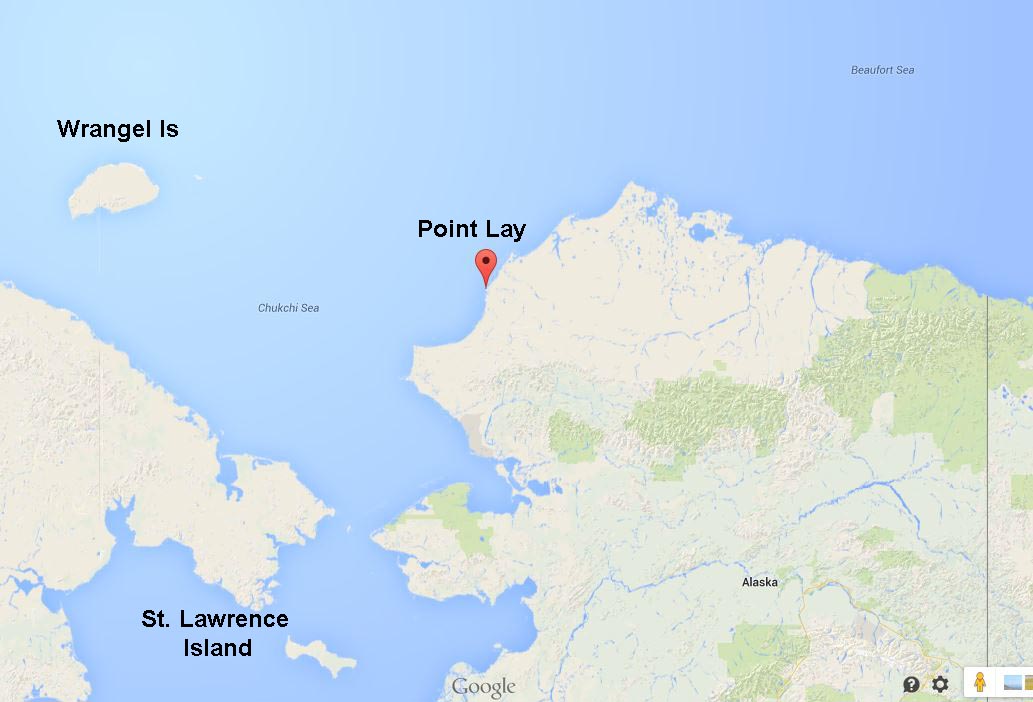
Large haulouts of walruses — such as the one making news at Point Lay, Alaska on the Chukchi Sea (and which happened before back in 2009) — are not a new phenomenon for this region over the last 45 years and thus cannot be due to low sea ice levels. Nor are deaths by stampede within these herds (composed primarily of females and their young) unusual, as a brief search of the literature reveals.

Pt Lay map Google marked

The attempts by WWF and others to link this event to global warming is self-serving nonsense that has nothing to do with science.

UPDATE October 3, 2014: See below. Also, do see follow-up posts here, here, and especially, here.

UPDATE October 23, 2014: A briefing paper summary is here and a video version of that paper (“The Walrus Fuss” — 3 1/2 minutes long) here.

There is also a follow-up post on the situation here.

Continue reading

About the time I asked a challenging question at a global warming workshop

When you really want to challenge a speaker at a scientific meeting or public lecture, deciding what’s the best question to ask is often difficult. Here’s an example that might inspire you.

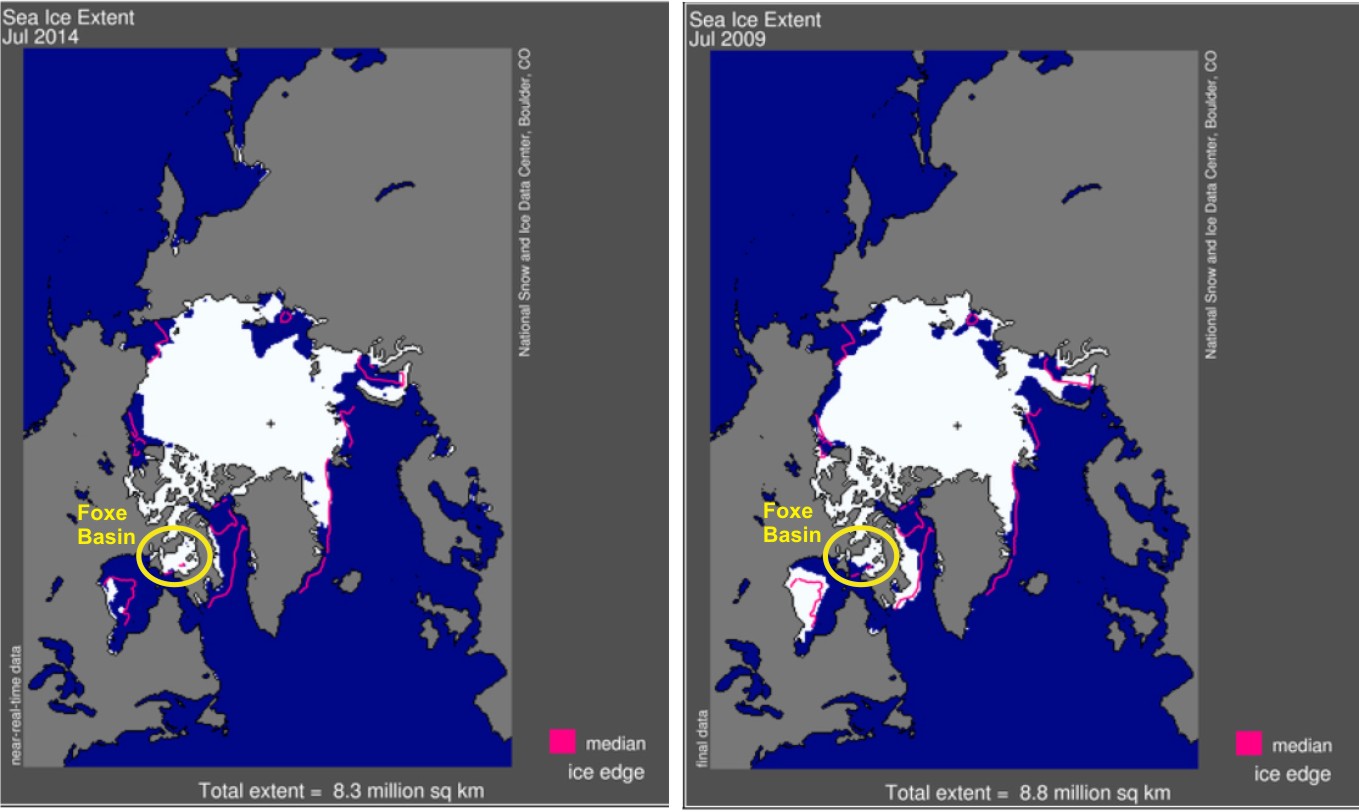
In 2009, I asked polar bear biologist Lily Peacock what appeared to be an innocuous question about Foxe Basin sea ice1 at a scientific workshop that got everyone’s attention.

The question — and the reaction — might surprise you.

Arctic sea ice 2009 vs 2014 NSIDC BIST Foxe Basin marked_PolarBearScience Continue reading

Ian Stirling now says the polar bear that “died of climate change” last year was “in his prime”

With Barents Sea ice way above average this summer, Polar Bear Specialist Group biologist Ian Stirling now claims the old polar bear that he said died of climate change last year on Svalbard was “in his prime” and still blames the bear’s death on lack of sea ice — despite all evidence to the contrary.

UPDATE Sept. 19, 2014 typo fixed in Fig. 1 caption [sea ice low for 2012 was 3.41 m2km, not 4.1, see here.]

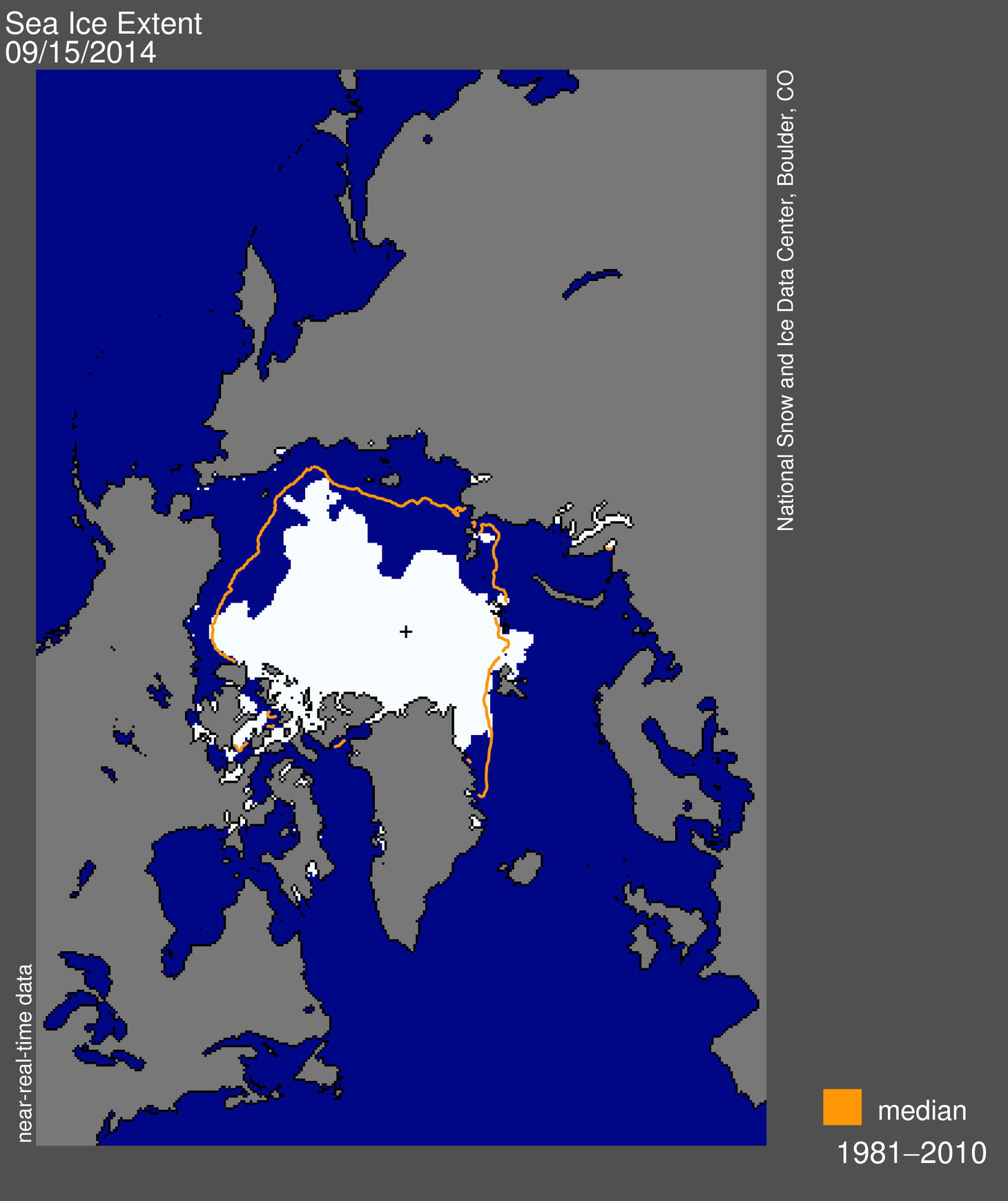
Figure 1. The National Snow and Ice Data Center (NSIDC) says the September minimum for 2014 is “imminent” and suggests the low may come in at 5.1 million square kilometers (far short of the 4.1 m2km low reached in 2012. About the much larger than average amount of ice around Svalbard and Franz Josef Land, they said only: “As was the case for the beginning of the month, extent remains below average in all sectors of the Arctic except for a region in the Barents Sea, east of Svalbard.”

Figure 1. The National Snow and Ice Data Center (NSIDC) says the September minimum for 2014 is “imminent” and suggests the low may come in at 5.1 million square kilometers (far short of the 4.1 3.41 m2km low reached in 2012. About the much larger than average amount of ice around Svalbard and Franz Josef Land, they said only: “As was the case for the beginning of the month, extent remains below average in all sectors of the Arctic except for a region in the Barents Sea, east of Svalbard.”

Continue reading

Andrew Derocher raises the “starving polar bears” issue in DailyMail interview

In what looks like a follow-up to last week’s CBC documentary, The Politics of Polar Bears, the London (UK) based DailyMail published interviews with polar bear biologists Mitch Taylor and Andrew Derocher (September 9, 2014).

The CBC film did have a one scientist vs. another” flavor about it and this article definitely echoes that approach. My comments below on Derocher’s insinuations and questions about starving bears and global warming.
Continue reading

Polar Bears International responds to “The Politics of Polar Bears”

Well, sort of — what they did was provide a logical fallacy reply to an almost incoherent comment by a PBI Facebook supporter who had watched the documentary and complained of bias (such a predictable response).

See what you think, screen-cap below (taken September 3, 2014 at about 2PM Pacific Time.
[UPDATE added September 4, 2014 at 8:30PM Pacific, see below]

Continue reading

“The Politics of Polar Bears” lengthy excerpt airs across Canada – cue the outrage

Umbrage alert! Last night, a half-length short form of the powerful and balanced documentary “The Politics of Polar Bears” aired across Canada on the CBC’s flagship TV news program, The National.

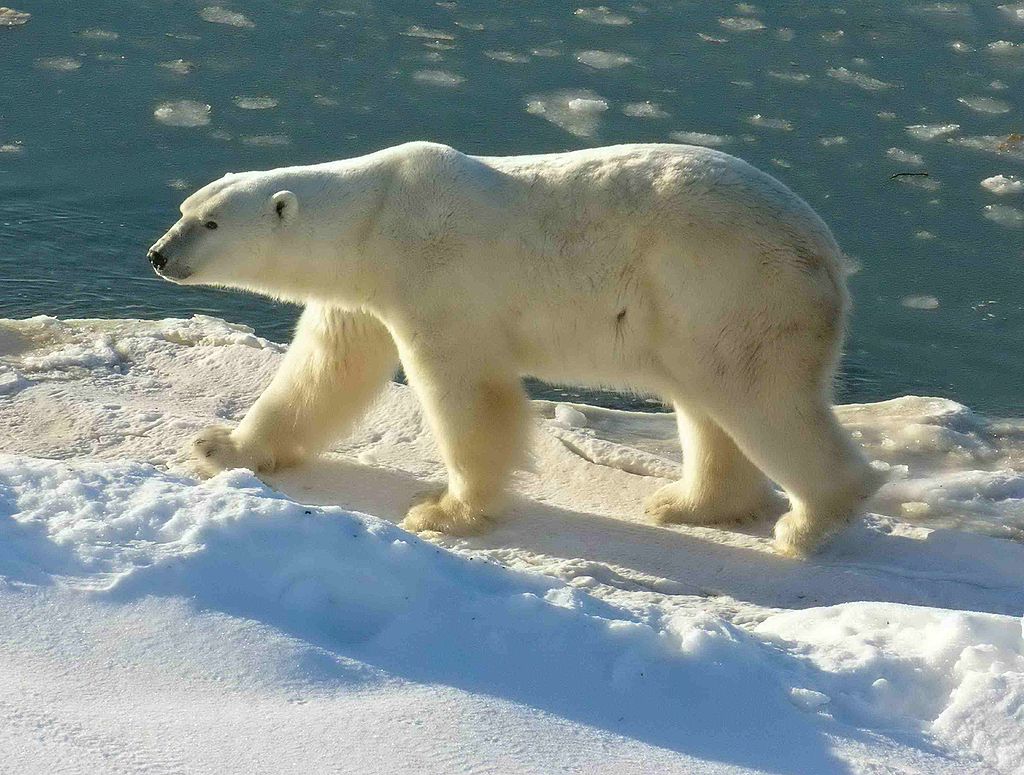
Polar_Bear_2004-11-15_Wapusk Nat Park_Wikipedia

Right after it aired, they followed up with a lengthy online summary by the producer of the film, Reg Sherren (Polar bears: Threatened species or political pawn?”, September 2, with video of the 19 minute short program). Check out the comments below it! Excerpts and my comments below.

[Links to the full length film here and in my previous posts here and here]

UPDATED April 27 2015: Video now available on Youtube, imbedded below Full length video no longer available, short one at CBC here.

Continue reading

Must watch – “The Politics of Polar Bears: Tracking the Celebrity Bear”

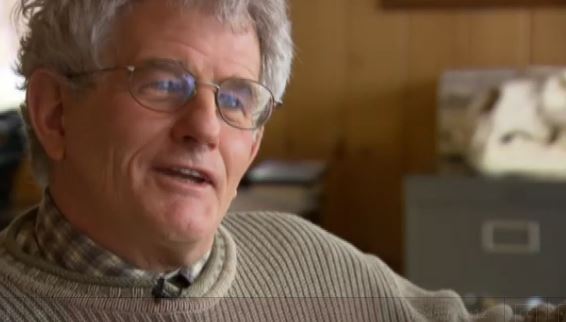
This powerful, balanced documentary, with a focus on the bears of Western Hudson Bay, can now be watched online. A Canadian Broadcasting Corporation (CBC) production, it includes interviews with polar bear biologists Mitch Taylor (screen-cap below) and Seth Stapleton – juxtaposed with statements from outspoken polar bear conservation advocate Andrew Derocher.

Politics of Polar bears_Mitch Taylor

I was not mentioned by name (making me “she who cannot be named” yet again?) but host Reg Sherren did discuss the contents of the email I received from PBSG chairman Dag Vongraven earlier this summer about their proposed clarification to the global population estimate (and posted here).

Politics of polar bears title

It can be viewed online at “CBC Player,” in its entirety (45 minutes long), without commercials – see it http://www.cbc.ca/player/Shows/Shows/Absolutely%20Canadian/Absolutely%20Manitoba/ID/2499492515/?cmp=rss

I can’t guarantee those outside Canada will be able to view it but I watched it Sunday night (August 31) from British Columbia. It’s well worth the time.

[Aired originally on “Absolutely Manitoba” (Season 2014, Episode 5, Aug 30, 2014), by Reg Sherren. See announcement article here]

[Note: the “Sharon Crockford” interviewed in the film is no relation to me, as far as I know!]

“Polar bears miss the message on global warming” – my article in RANGE Magazine

Here’s an excerpt of my article “Polar bears miss the message on global warming,” just out in the Fall 2014 issue of RANGE Magazine.

AK PB N Shore-USFWS Barrow_labeled Continue reading