Category Archives: Conservation Status

‘Threatened’ status for Arctic ringed seals under ESA makes no sense

Recent research (Crawford and Quakenbush 203; Rode et al. 2014) has shown that sea ice declines in the Chukchi and Beaufort Seas have made life better for ringed seals, not worse (as predicted) – ringed seals are in better condition and reproducing better than they were in the 1970s. Why? Ringed seals do most of their feeding in the open-water period (Young and Ferguson 2013), so a longer open-water season means fatter, healthier seals and more fat pups for polar bears to hunt the following spring.
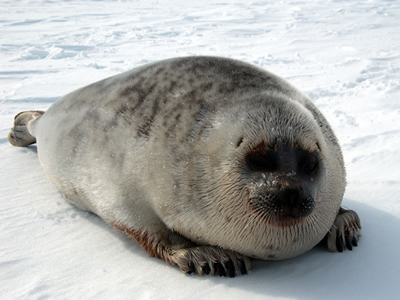
Ringed_seal_2_NOAA

However, Arctic ringed seals (as well as bearded seals) were designated as ‘threatened’ by the USA in 2012 under the Endangered Species Act, based on predicted ice and snow declines due to prophesied global warming. These listings are all about future threats, with no pretense of on-going harm.

Virtually no other Arctic nation has taken this step for Arctic seals — see previous discussion here. There are lots of ringed seals — an estimated 3-4 million world-wide and about 1.7 million within the critical habitat proposed by NOAA (see below).

As weak as the case for listing polar bears as ‘threatened’ has proven to be, the case for listing ringed and bearded seals is even more feeble (a judge has already sent the bearded seal listing back to the drawing board).
Continue reading

IUCN Polar Bear Specialist Group out-lived its usefulness 20 years ago

The IUCN Polar Bear Specialist Group (PBSG) should have been disbanded in 1996, the year polar bears were down-graded from a status of ‘vulnerable to extinction’ to ‘lower risk – conservation dependent’ (now called ‘least concern’) on the IUCN Red List.

Bumpersticker from Cambridge Bay, Nunavut, courtesy Joe Prins.

Bumpersticker from Cambridge Bay, Nunavut, courtesy Joe Prins.

Polar bears had recovered from previous decades of wanton over-hunting — by all measures used by the International Union for the Conservation of Nature, they were a conservation success story.

Why did the IUCN and Arctic governments not break up the PBSG back in 1996? Leaving the group intact once polar bears were down-graded to ‘least concern’ simply made its members desperate to justify their existence. That’s precisely what we’ve seen over the last 20 years — PBSG members working tirelessly to ensure the organization didn’t go extinct.

pbsg logo

In fact, polar bears are in no more danger of extinction now than they were in 1996, despite dedicated efforts of the PBSG to convince the world otherwise. Take a look at the history and see if you come to a different conclusion.
Continue reading

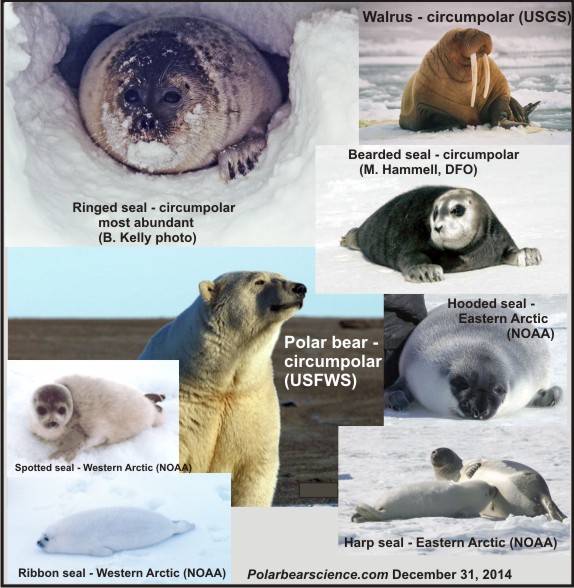
‘Threatened’ Arctic species comparison shows USA most assertive about global warming

A cross-Arctic comparison shows that the US has been the most aggressive in designating polar bears and their main prey species as ‘threatened with extinction’ due to the predicted effects of human-caused (“anthropogenic”) global warming (AGW), even though the US has the least amount of sea ice habit of all circumpolar nations.

Arctic marine mammals_Dec 31 2014_Polarbearscience

I’ve made a chart listing the conservation status of these species across all Arctic nations (Canada, Russia, Norway, Denmark (for Greenland) and the USA), as well as the one international body that considers the conservation status of all species (International Union for Conservation of Nature, IUCN).

Oddly, the IUCN considers the polar bear vulnerable due to future threats from predicted sea ice losses but not ringed seals or bearded seals. This situation highlights the capricious nature of the use of “future threats” (almost exclusively based on predictions of AGW) as a valid criteria for evaluating the conservation status of Arctic marine mammals. It also suggests why the IUCN has tightened considerably its rules regarding this practice.

Continue reading

Kara Sea: first-ever polar bear count suggests about 3,200 bears live there

The first-ever population estimate for polar bears in the Kara Sea is an astonishing 3,200 bears (range 2,700-3,500). Russian researchers report the results in a new paper (Matishov et al. 2014, in English).

Kara Sea_PBSG

Polar bear counts were made during late winter/early spring (approximately January to April) from ice-breakers between 1997 and 2013. Females with cubs (whether one or two) were noted. The counts were extrapolated to give a total for the entire region (as is usual for all such surveys).

The question is, will the IUCN Polar Bear Specialist Group (PBSG) consider this new polar bear count to be reliable or complete enough to include in their next IUCN assessment?

Continue reading

Recent S. Beaufort polar bear count was a cherry-picked result – new evidence

New evidence has come to light that mark-recapture field work used to calculate a new population estimate for Southern Beaufort polar bears did not conclude in 2010 as implied in a widely-publicized paper last month but continued until 2013.

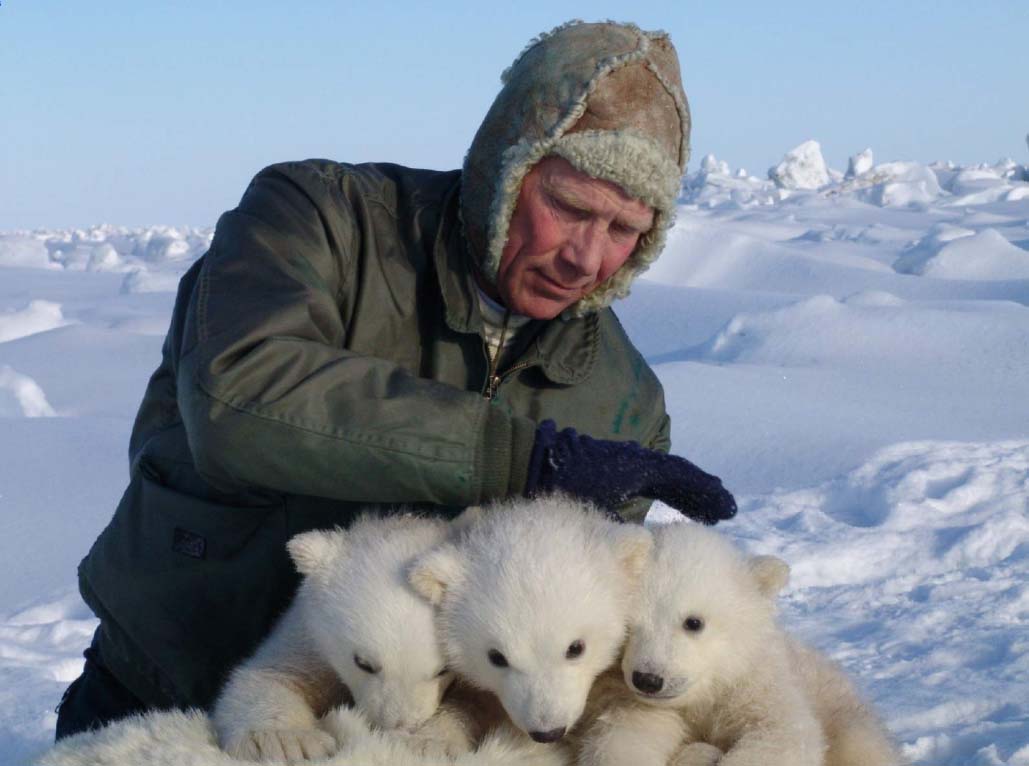
Amstrup w triplet_Prudhoe Bay 2005_USGS_sm

Steve Amstrup in S. Beaufort, 2005 (USGS photo), co-author of Rode et al. paper.

As I discussed previously, last month’s widely-hyped paper (Bromaghin et al. 2015 in press) – which reported a decline of ~40% between 2004 and 2010 (based on spring mark-recapture work) – was contradicted by fall survey counts that suggested strongly a population rebound would have been apparent if the mark-recapture work had continued another two years.

A new paper by Karyn Rode and colleagues (which includes Bromaghin and others (e.g. Amstrup) from the previous paper), summarized in a USGS press release issued on Monday and published online Tuesday, utilized comprehensive data collected during mark-recapture work carried out in spring from 1982 to 2013 in the Southern Beaufort Sea.

This new paper used the same kind of comprehensive data as Bromaghin and colleagues – from the same season, in the same region – to assess potentially negative effects of the mark-recapture research method itself, up to 2012 and beyond.

More on the Rode et al. conclusions later1 – for the moment, what is important is that the work described in the paper confirms that spring mark-recapture work on polar bears in the Southern Beaufort continued beyond 2010. Bromaghin and colleagues didn’t end their mark-recapture work prematurely — they actually left data collected in 2011 and 2012 out of their population estimate analysis when they had to have known the population had not finished rebounding from the 2004-2006 decline.
Continue reading

W Hudson Bay polar bear mark-recapture study report 2013 – at last

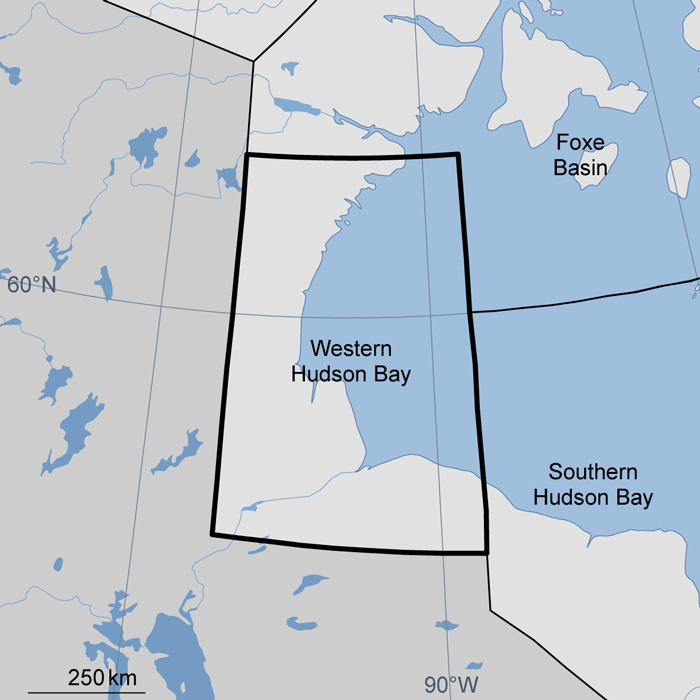
I have finally secured a copy of the 2013 Western Hudson Bay mark-recapture study produced by Environment Canada.

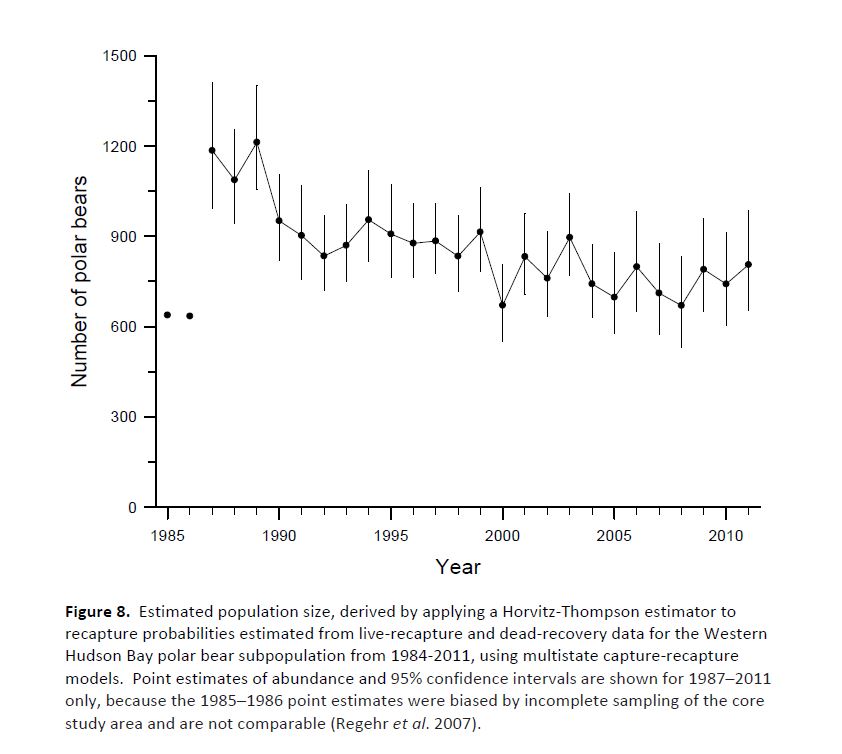
The pertinent figure is below: as you can see, there was no declining trend in Western Hudson Bay polar bears between 2000 and 2011. Click to enlarge.

WH EC Polar Bear Demography report Lunn 26 Nov 2013 Final _Fig 8

I have relatives visiting so I don’t have time to do an in-depth summary but the report’s opening “Summary” is copied below and a pdf provided. More later when I have had time to look at it more closely. Background on the issue here.

Continue reading

Public misled about W Hudson Bay bears since November 2013

Leading polar bear biologists knew by November 2013 that mark-recapture studies showed the Western Hudson Bay subpopulation had not changed appreciably since 2004 but none said so. This includes Steven Amstrup and Ian Stirling at Polar Bears International, Andrew Derocher (University of Alberta), and Nick Lunn (Canadian Wildlife Service), all of whom are (or have been) extensively involved in Western Hudson Bay polar bear research and have made recent statements to the media on this topic.

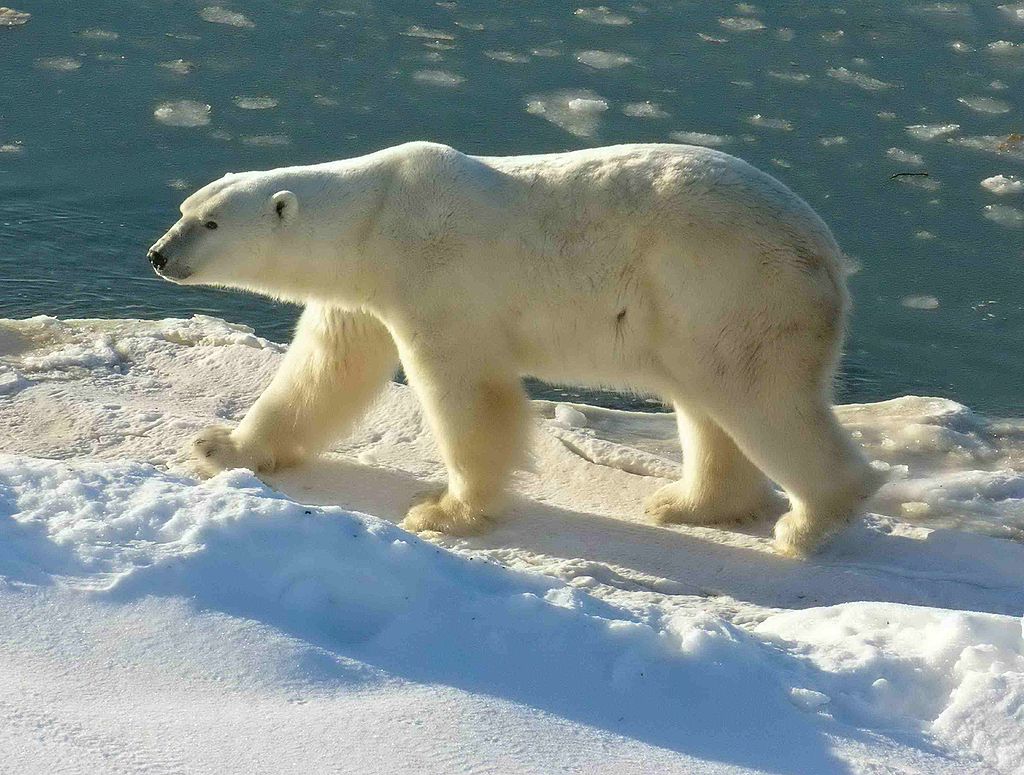
Polar_Bear_2004-11-15_Wapusk Nat Park_Wikipedia

More details have emerged about the status of Western Hudson Bay (WHB) polar bears (reported a few days ago here), reported this morning in NunatsiaqOnline, excerpts below.

The story reveals that there are two Canadian Wildlife Service (Environment Canada) reports containing population estimates of Western Hudson Bay polar bears – one produced in 2011 and another in November 2013 (reversing the 2011 conclusion) – that have not been made public.

[In contrast, Nunavut Government reports on their 2011 population estimate, based on aerial surveys, were made public in both draft and final report formats (and have since been peer-reviewed and published)]

The conclusion of the 2013 report, quoted in this mornings article, suggests that some of our most vocal polar bear specialists have been misleading the public about the status of the Western Hudson Bay population for the last year.
Continue reading

Western Hudson Bay polar bear population is stable: press release

Slowly but surely, word is leaking out: the Western Hudson Bay polar bear population is stable at ~1000 bears, confirming the good news contained in maps posted on the Environment Canada website a few months ago (discussed by me here and here). Environment Canada has apparently been giving presentations in local Western Hudson Bay communities relaying their decision.

Courtesy IUCN PBSG

Courtesy IUCN PBSG

Yesterday, a press release was issued by one of the official Inuit organizations in Nunavut announcing the new official status of the Western Hudson Bay polar bear population.
Continue reading

Amstrup knows his polar bear predictions are flawed – but continues to promote them

The largest conservation organization in the world says that predictive models developed by polar bear biologist Steven Amstrup are utterly unsuitable for scientifically estimating future populations. Earlier this year, mathematical modeling experts  at the International Union for the Conservation of Nature, who maintain the Red List of Threatened Species, made it clear that Amstrup’s models (used in 2008 to convince the US Fish and Wildlife Service to list polar bears as ‘threatened’ due to predicted global warming) do not meet IUCN standards.

I’d say this makes Amstrup’s polar bear projections (Amstrup et al. 2008, 2010) no more scientifically useful than a crystal ball prophesy, but you wouldn’t know it by his recent actions — or the silence of his fellows.

crystal ball_3c

Continue reading

Labrador polar bears face a longer ice-free season than Hudson Bay bears, but do well

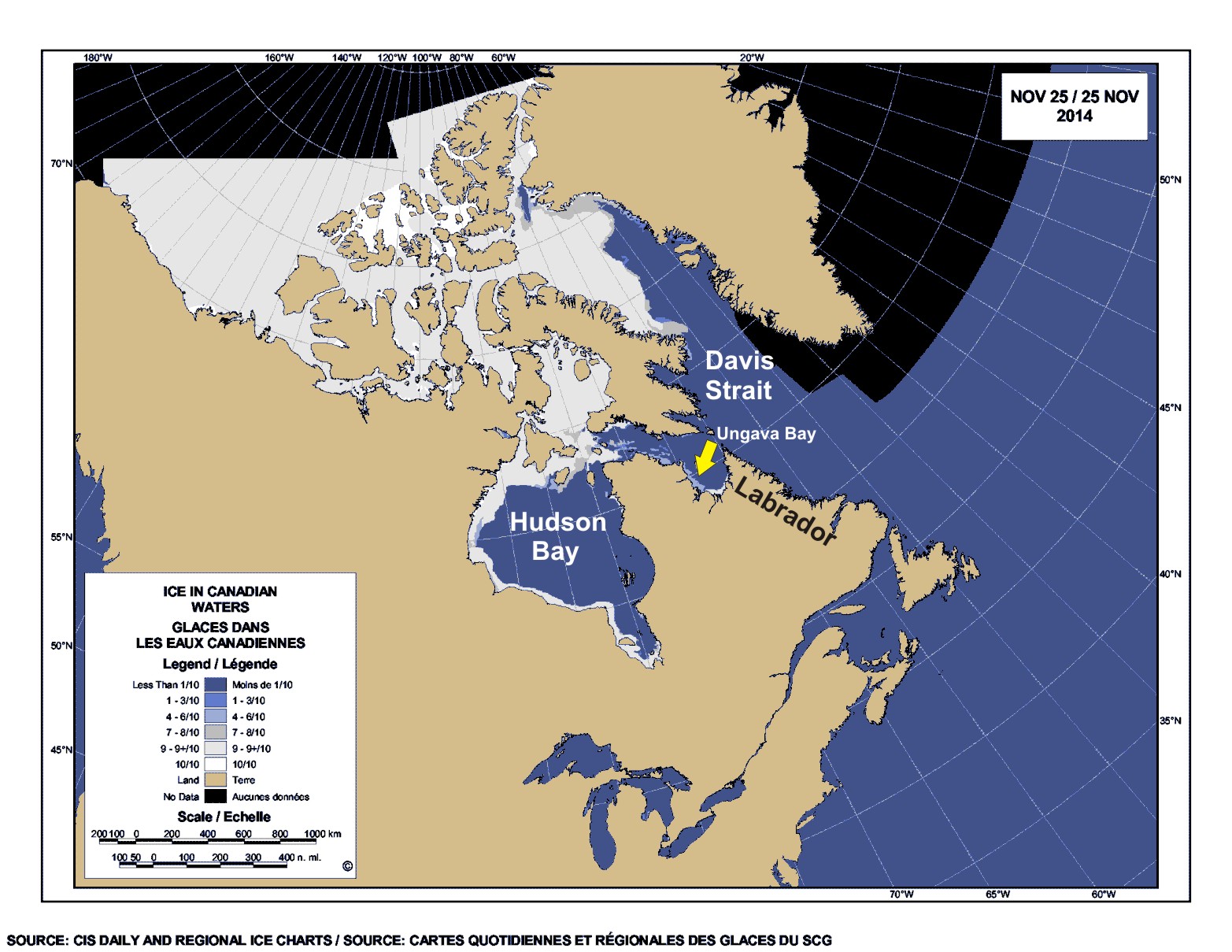
Pretty typical ice levels in both regions for this time of year – Davis Strait polar bears (especially those in Labrador) are still onshore while Hudson Bay bears (even those in the south) have their sea ice hunting platform back.

Davis Strait Hudson Bay freeze-up at Nov 25 2014_PolarBearScience

Funny thing is, the Davis Strait subpopulation may still be increasing despite a longer ice-free season than Western Hudson Bay. And bears in the south of that region – who spend the summer onshore in Labrador – have the longest ice-free season of all1 yet according to the latest survey they were even doing better than bears in northern Davis Strait.

That apparent paradox has an easy explanation – sea ice extent in late summer/early fall (length of the ice-free season) has much less of an impact on polar bear health and abundance than the state of the food supply in the spring. More seals in spring, polar bears do well; few seals in spring, polar bears starve.

Continue reading