Tag Archives: PBSG

Polar bear researchers knew S Beaufort population continued to increase up to 2012

Why did the Southern Beaufort polar bear population survey stop in 2010? It’s clear that the recently-published and widely-hyped new study stopped before the population rebound from a known decline was complete.
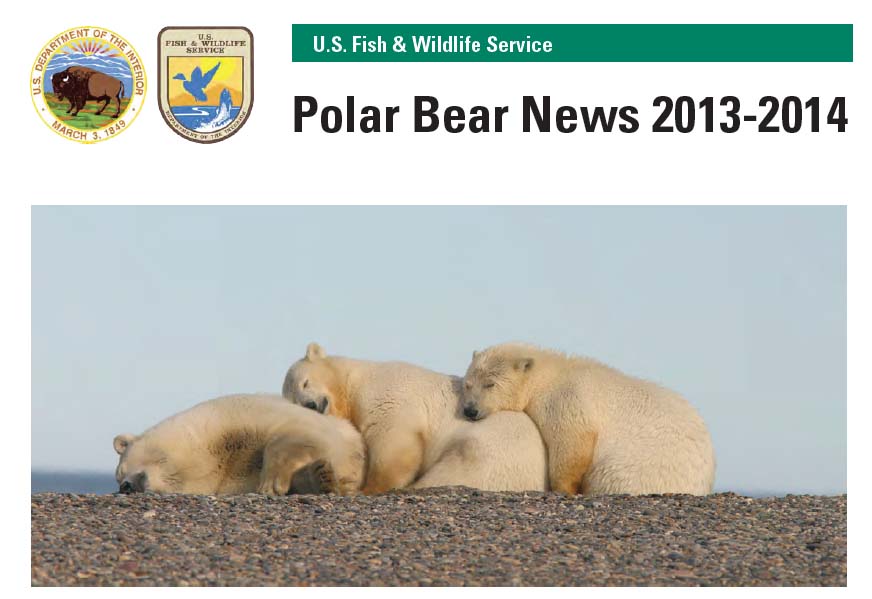
USFWS 2013-2014 PB News_cover_PolarBearScience

The researchers of the recently-published paper knew before starting their mark-recapture study in 2007 that the population decline had taken place. They also knew why the numbers dropped and that previous declines, caused by similar conditions, had been followed by a full recovery.

Did they really think a full recovery in population numbers was possible in only three four years, when cubs born in 2007 would not yet have been old enough to reproduce?

In fact, a US Fish and Wildlife Service (USFWS) fall survey of Southern Beaufort polar bears in 2012 found numbers were higher than they had been in a decade.
Continue reading
Status of Canadian polar bear populations has been changed – more good news

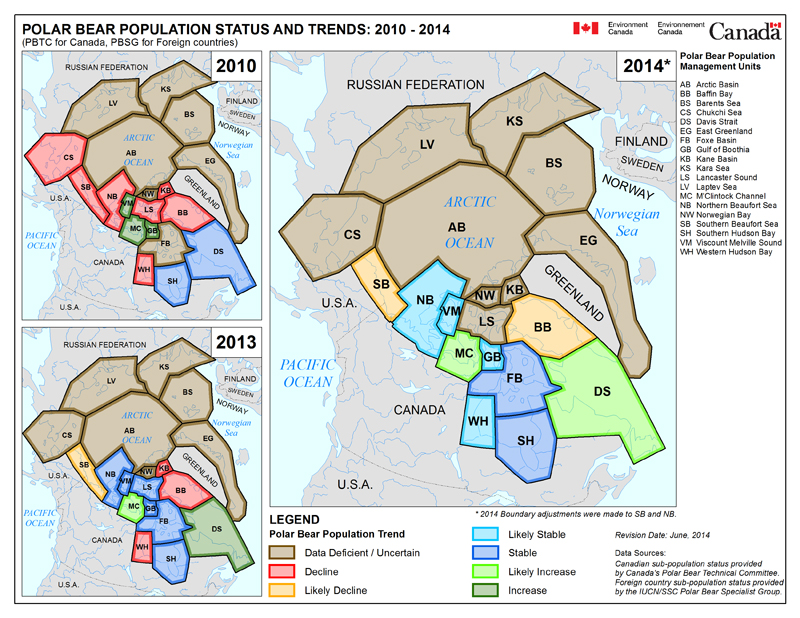
According to maps dated June 2014, Environment Canada (EC) has changed the trend status of several Canadian subpopulations — without any announcement or publicly-available documents explaining the basis of the changes.

Figure 3. "Series of Circumpolar Polar Bear Subpopulation and Status Trend Maps 2010, 2013 & 2014" Note the asterisk below the 2014 map, which is dated "June 2014" and is different in its status assessment from the one released in February 2013 by the PBSG. Original here.

Figure 1. Environment Canada’s “Map 4: Series of Circumpolar Polar Bear Subpopulation and Status Trend Maps 2010, 2013 & 2014.” Original here.

And would it surprise you to learn that virtually all of these status changes reveal more good news about polar bears?
Continue reading

Has the tide turned on polar bears as icons of global warming?

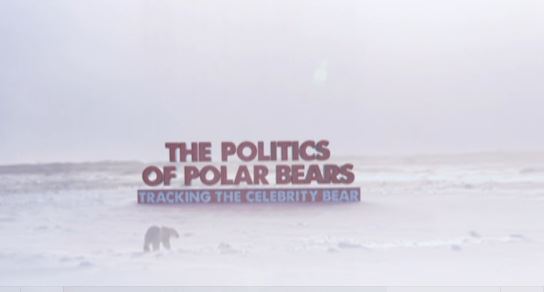
The CBC in Canada is pretty much a mirror image of the BBC in the UK, ABC in Australia and PBS in the US. So you might appreciate my shock at the almost unbelievable balance contained in the recently broadcasted CBC documentary, “The Politics of Polar Bears: Tracking the Celebrity Bear.

The film is a profound change from the hype and pessimism that has dominated the polar bear issue in Canada and abroad, supported unchallenged by the CBC. Finally, TV viewers were given some decently balanced perspective on the status of polar bears in  Western Hudson Bay.

If the take-away message tipped towards reason and optimism rather than panic over the status of polar bears, it’s because the evidence was strongly in that direction.

Politics of polar bears title

Continue reading

Dodgy new clarification of global polar bear population estimate (yes, another)

In an attempt to get themselves out of a mess of their own making, the IUCN Polar Bear Specialist Group (PBSG) has just dug their hole even deeper.

pbsg logo

Although the minutes of their 2014 June meeting (pdf here) contained this statement…

K. Laidre summarized the need for the PBSG to do a better job of communicating accurate and balanced science about polar bears.” Pg. 28

…you might conclude, after reading the rest of this post, that polar bear specialists don’t really understand what these terms mean.

Due to the flack they have been catching over their global polar bear population estimates, the PBSG determined that another clarification was in order. [As opposed to the first clarification, a footnote the group planned to insert in an upcoming report, which PBSG chairman Dag Vongraven sent to me in May)]

The new clarification, apparently co-authored by Steve Amstrup and Andy Derocher (PBSG 17 minutes, pg. 33 – copied below), makes an astonishingly bold claim that I can easily show is untrue.

PBSG 17 minutes_global pop estimate explanation action p33 to post Continue reading

Up to 20% of collared polar bears located on ice that officially does not exist, says the PBSG

Here are two more priceless quotes from the minutes of the last meeting of the IUCN Polar Bear Specialist Group (PBSG) – on issues with sea ice percentages used to define “ice-free” and the problem of bears with collars showing up on sea ice that, according to ice data, does not exist. These quotes are in addition to the ones I posted earlier this week (here and here).

Polar bear with collar and tag_USGS_labeled

See the original document for the context here.
Continue reading

PBSG determined to see polar bears listed as threatened by the IUCN in 2015

IUCN Polar Bear Specialist Group conservation biologists are determined to have polar bears listed as ‘threatened with extinction’ by the International Union for Conservation of Nature (IUCN) in 2015 – even though the bears would not meet that classification if assessed today.

According to the minutes of their last meeting (in addition to the astonishing admissions from sea ice experts I reported yesterday), PBSG members are busy planning their strategy. They have thrown objectivity to the wind and are certain they can find a way to mask overcome the inadequacies of their case and see polar bears remain listed as ‘vulnerable’ (IUCN-equivalent to ‘threatened’ in the US) on the 2015 IUCN Red List update.

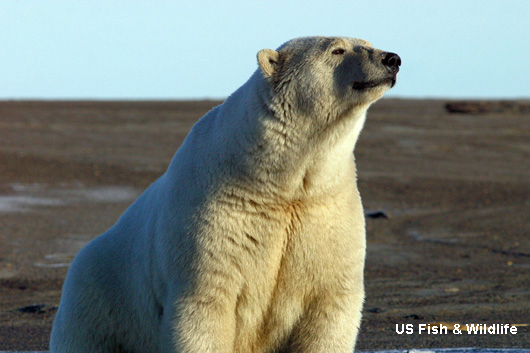
polar-bear_USFWS labeled

Along with some other priceless quotes, the minutes reveal their plan. See the original document for the context of these quotes here and an excerpt of “the plan” (pgs. 12-17) here. Continue reading

Sea ice experts make astonishing admissions to polar bear specialists

Climate scientists specializing in future sea ice predictions made some remarkable statements to polar bear scientists at their last meeting – admissions that may really surprise you.

USFWS_PolarBearNews2013_pg5 labeled

Back on June 26 (reported here), the IUCN Polar Bear Specialist Group (PBSG) posted a summary of its last meeting. So, I was very surprised to find (while there looking for something else), that on 18 July 2014 they had added minutes from the meeting to that summary.

These minutes are a bonanza because among the juicy nuggets of information is a summary of what the three invited climate scientists from Colorado (Jennifer Kay, Mark Serreze, and Marika Holland) had to say and what questions were asked. While real transparency would have involved posting copies of the sea ice presentations and transcripts of the question and answer sessions, this is certainly better than nothing.
Continue reading

Are Polar Bears Really Endangered?

Christina Wu at the Urban Times (July 3, 2014) recently asked this question. She came up with a surprisingly balanced argument but some predictable responses from IUCN Polar Bear Specialist Group (PBSG) biologists. As a consequence, she overlooked some critical facts that make a big difference to the answer.

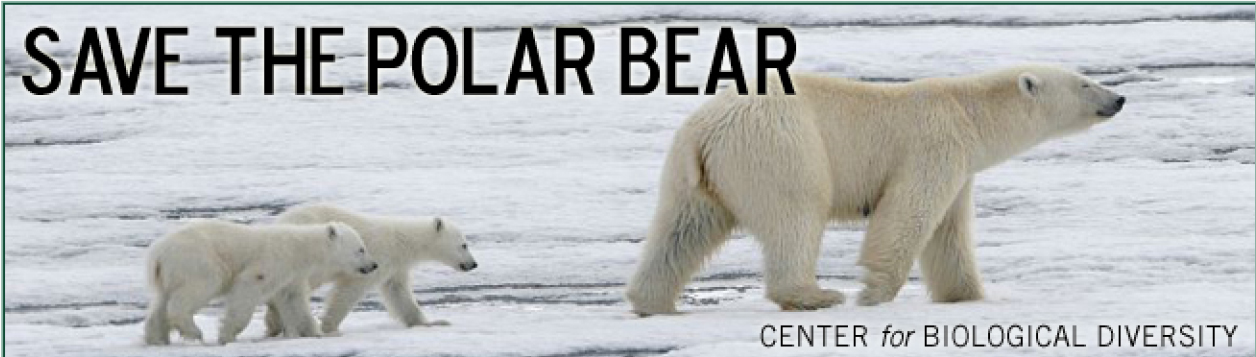
Figure 1. Are polar bears really endangered? The US Fish and Wildlife Service thinks so, but only because Steven Amstrup, based on a computer model projecting sea ice out to 2050, said so (Amstrup et al. 2007). This information has been used by the Center for Biological Diversity and other NGOs, like WWF and Polar Bears International (where Amstrup is now employed), to solicit donations.

Figure 1. Predictions of polar bear population declines by 2050 are being used by the Center for Biological Diversity, WWF and Polar Bears International to solicit donations.

UPDATED 18 May 2015 – see below.

Continue reading

IUCN Polar Bear Specialist Group says its global population estimate was “a qualified guess”

Last week (May 22), I received an unsolicited email from Dr. Dag Vongraven, the current chairman of the IUCN Polar Bear Specialist Group (PBSG).

pbsg logo

The email from Vongraven began this way:

Dr. Crockford

Below you’ll find a footnote that will accompany a total polar bear population size range in the circumpolar polar bear action plan that we are currently drafting together with the Parties to the 1973 Agreement. This might keep you blogging for a day or two.” [my bold]

It appears the PBSG have come to the realization that public outrage (or just confusion) is brewing over their global population estimates and some damage control is perhaps called for. Their solution — bury a statement of clarification within their next official missive (which I have commented upon here).

Instead of issuing a press release to clarify matters to the public immediately, Vongraven decided he would let me take care of informing the public that this global estimate may not be what it seems.

OK, I’ll oblige (I am traveling in Russia on business and finding it very hard to do even short posts – more on that later). The footnote Vongraven sent is below, with some comments from me. You can decide for yourself if the PBSG have been straight-forward about the nature of their global population estimates and transparent about the purpose for issuing it.
Continue reading

Climate bullying echoes the expulsion of Mitch Taylor from Polar Bear Specialist Group

A lone polar bear walking on ice [Kathy Crane (NOAA) photo].  We'll call this a metaphor for the expulsion of Mitch Taylor from the PBSG after the Group switched from emphasizing unregulated over-hunting as the primary threat to polar bear conservation to global warming.

Kathy Crane (NOAA) photo

Swedish meteorologist Lennart Bengtsson today declared his resignation from the Academic Advisory Board of the Global Warming Policy Foundation (GWPF), which he joined only three weeks ago, because of bullying by his colleagues. His email letter reads, in part:

“I had not expecting such an enormous world-wide pressure put at me from a community that I have been close to all my active life. Colleagues are withdrawing their support, other colleagues are withdrawing from joint authorship etc. I see no limit and end to what will happen. It is a situation that reminds me about the time of McCarthy. I would never have expecting anything similar in such an original peaceful community as meteorology.”

See WUWT for the email in its entirety, GWPF response, and other reactions (and more here).

Absolutely shameful. Alas, the reprehensible behaviour displayed by Bengtsson’s colleagues also goes on within the polar bear research community: those that refuse to parrot the “consensus” are quickly punished.

Remember Mitch Taylor and his expulsion in 2009 from the IUCN Polar Bear Specialist Group? His “crime” was objecting to the PBSG using weak evidence about future threats of global warming to have the conservation status of polar bears changed to ‘threatened’ even though populations were currently healthy. Details below for those who don’t know the story, or have forgotten.

Continue reading