Tag Archives: Davis Strait

Polar bear season for Newfoundland residents still going strong, recent sightings confirm

Two recent sightings of polar bears along the north shore of Newfoundland are a reminder that sea ice is still a prominent feature of the Davis Strait polar bear subpopulation landscape at this time of year.

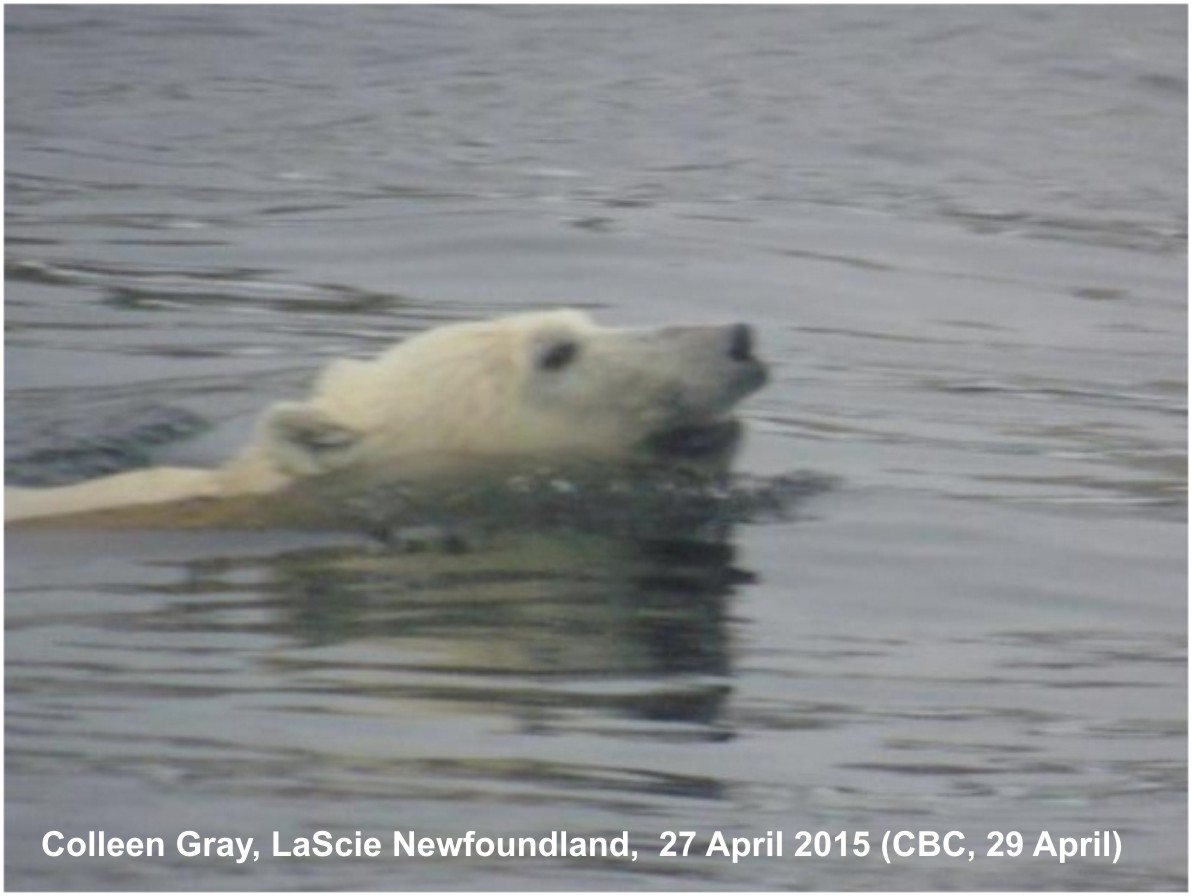
LaScie_Newfoundland_April 27 2015_ColleenGray label

A polar bear was sighted in the community of La Scie, northern Newfoundland Monday, 27 April (pictured above, swimming in the harbour), while another landed in the town of Fogo, on Fogo Island, last week (see maps below).
Continue reading

Melt season update – Bering Sea ice abundant & Davis Strait ice 2nd highest since 1971

Polar bear habitat in the eastern Bering Sea has expanded since the official spring “maximum extent” was called for late February, and Davis Strait sea ice is tied for 2nd highest since 1971 for this week. Both regions have healthy polar bear populations and spring conditions suggest this will continue into this year.
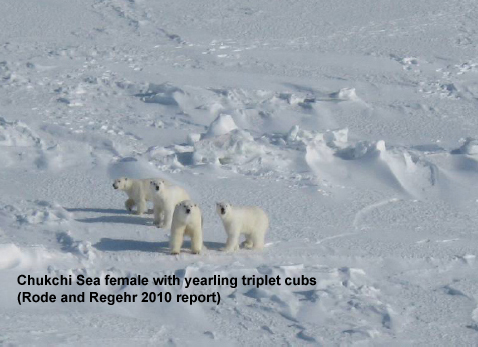
Rode and Regehr 2010_Chukchi_report2010_Fig1_triplets_labelled

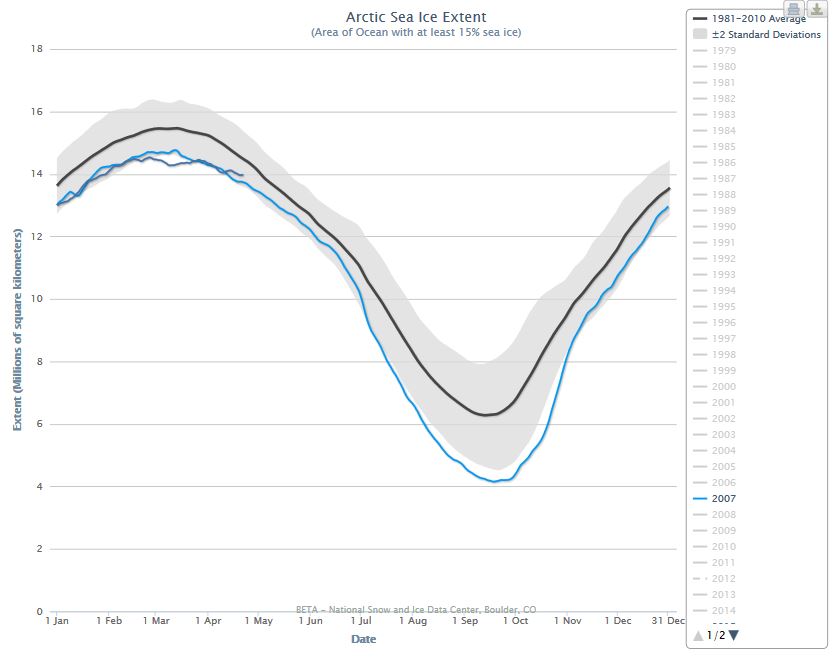
Although the melt season is underway, as of yesterday (22 April, Julian day 112) overall Arctic sea ice extent (Fig. 1) was higher than it was on the same date in 2014, 2007, and 2004 (see also Fig. 2). Despite the record low extent in February (Fig. 3), that pessimists at Polar Bears International suggested was relevant to polar bear heath and survival, I showed that was misleading.
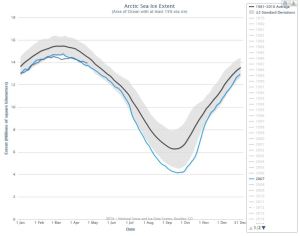
Figure 1. Sea ice extent at 22 April (Julian day 112) for 2015, at 13.976 mkm2, was well within 2 standard deviations and higher than 2007 (shown) as well as 2004 and 2014 (not shown – see it for yourself here).

Figure 1. Sea ice extent at 22 April (Julian day 112) for 2015, at 13.976 mkm2, was well within 2 standard deviations and higher than 2007 (shown), as well as higher than 2004 and 2014 (not shown – see it for yourself here). Click to enlarge.

Sea ice maps and charts tell the story of current polar bear habitat throughout the Arctic.
Continue reading

Spring ice alarm deflated – 2015 ice now as high as 2014 & Davis Strait highest since 1971

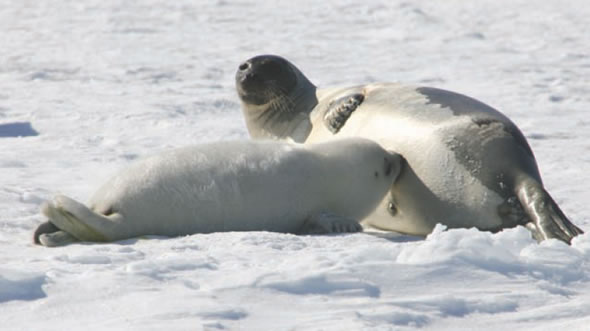
Arctic ice extent (at 14.1mkm2) on 15 April, was virtually identical to 2014 on that date, and higher than 2006. But the record goes to Davis Strait, which recorded the highest ice extent since 1971 for the week of April 16, while the waters of Eastern Newfoundland to the south (where most harp seals have their pups) had the third highest ice extent since 1969. Lots of fat baby seals are just what polar bears need at this time of year.

Harp seal pup_DFO Newfoundland

Continue reading

Superb sea ice conditions for polar bears worldwide during their critical feeding period

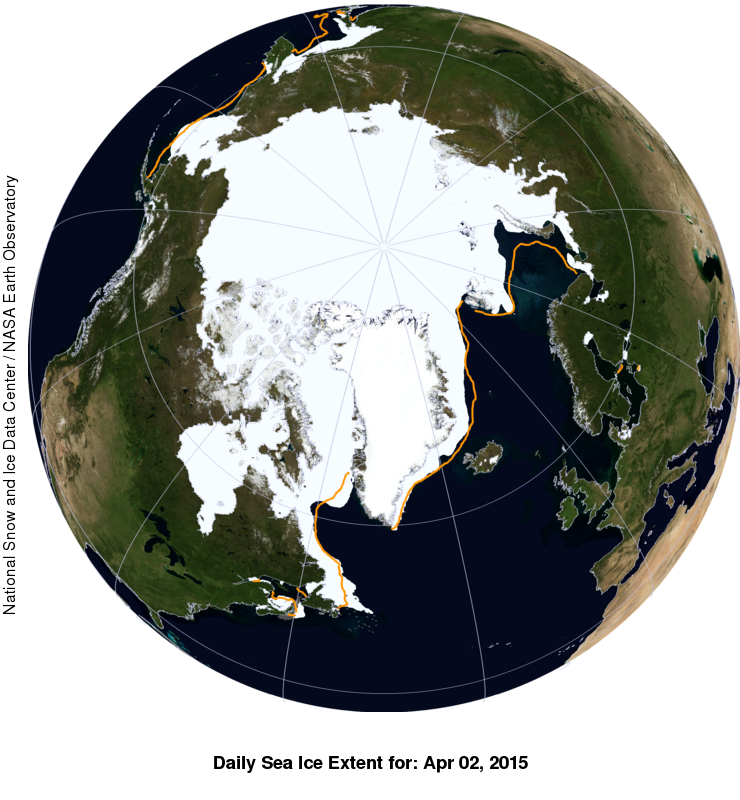
Prognosis, excellent. The sea ice hunting platform that polar bears require is everywhere and Davis Strait ice extent is the fourth-highest it’s ever been at this time of year.

Sea ice extent global 2015 April 2 NSIDC with anomaly WUWT

The spring feeding period is a messy, brutal business – many cute baby seals will die as polar bears consume 2/3rds of their yearly food supply over the next few months (April – June/early July), while sea ice is abundant.

Arctic marine mammals_Dec 31 2014_Polarbearscience

That leaves the remaining 1/3 of their energetic needs to be met over the following 9 months (most of it in late fall (late November/December) and hardly any during the summer months, regardless of whether the bears are on land or out on the sea ice) or over the winter. Continue reading

Polar bear consumption of terrestrial foods – new paper misses the point

A new paper by polar bear biologists (Rode et al. 2015) argues that terrestrial (land-based) foods are not important to polar bears now and will not be in the future – a conclusion I totally agree with – but they miss the point entirely regarding the importance of this issue.

Fat bears on land in the Southern Beaufort, Sue Miller photo, well-prepared for a brief summer fast.

Whatever food polar bears consume in the summer – whether they are on land or on the ice – doesn’t really matter. What matters is how many fat-rich seals they can consume between March and June each year. The fat put on in late winter/spring from gorging on baby seals carries polar bears over the summer, no matter where they spend it.

USGS polar bear biologist Karyn Rode and colleagues (press release here) have tried to frame this issue as one about future survival of polar bears in the face of declining sea ice. However, the fact that polar bears in the Chukchi Sea and Southern Davis Strait are thriving despite dramatic declines in summer sea ice (aka an extended open-water season), proves my point and disproves their premise. Bears in these regions are doing extremely well – contrary to all predictions – because they have had abundant baby seals to eat during the spring (see here and here).

Continue reading

Polar bear visiting Hibernia oil platform off Newfoundland was not far from sea ice

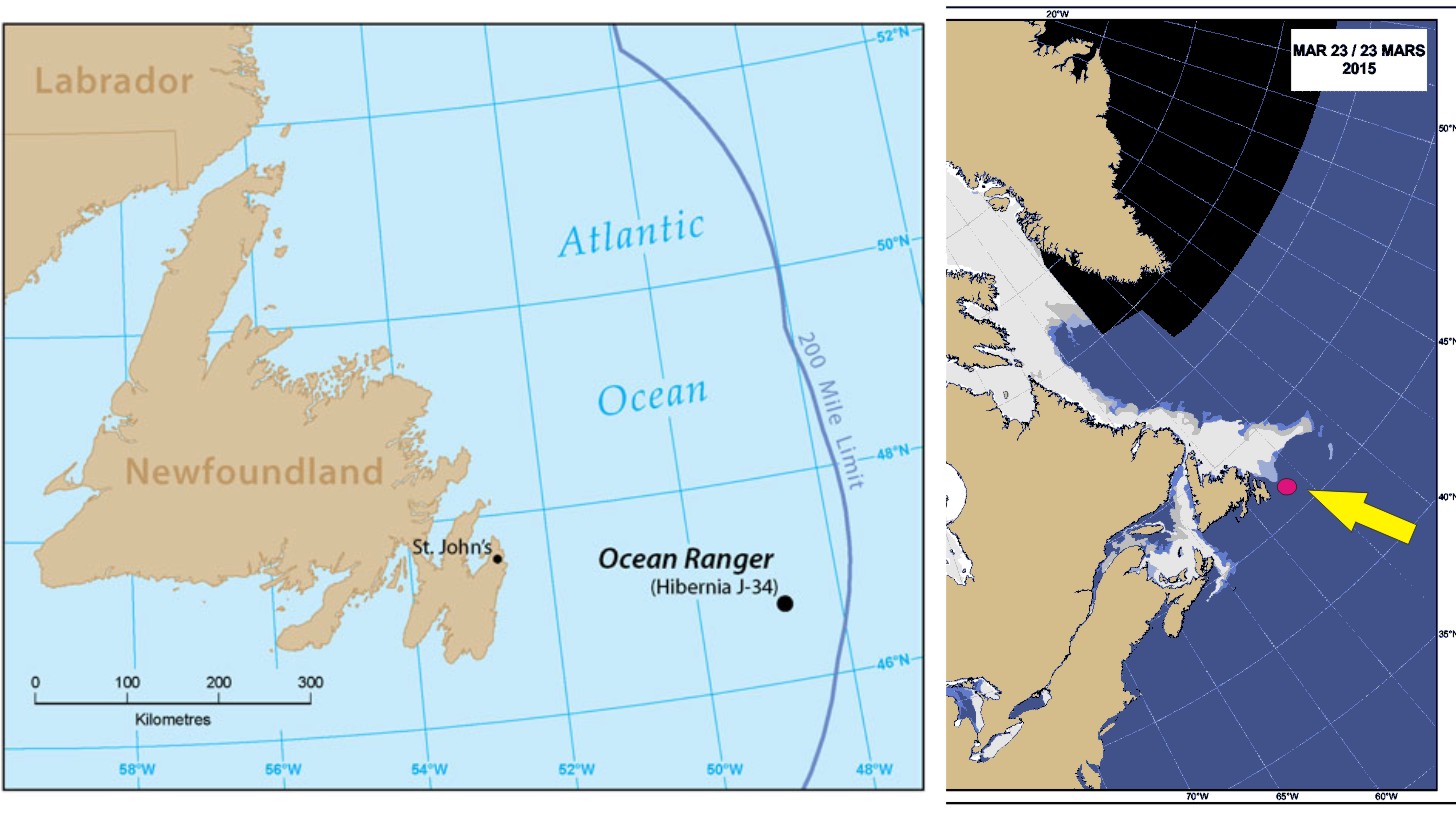
Perhaps the folks on the platform couldn’t see it, but sea ice wasn’t far off on Monday when a polar bear came to visit the Hibernia oil platform southeast of St. John’s, Newfoundland. See the map below (composite from Heritage Newfoundland and Canadian Ice Service):

Hibernia platform and sea ice at 23 March 2015_Polarbearscience
UPDATE 26 March 2015: Ian Stirling has added his expert comment on this incident, see below.

UPDATE 28 March 2015: Newfoundland’s Director of Wildlife has commented on this incident, see below.
Continue reading

Polar bear habitat update – more spring sea ice around Svalbard than 2014 & 2012

Polar bear habitat for the last week of March is well above average in eastern Canada for the second year in a row. The very low extent of ice in the Sea of Okhotsk – which has contributed strongly to the low maximum extent this year – is irrelevant to our discussion, since no polar bears live there.

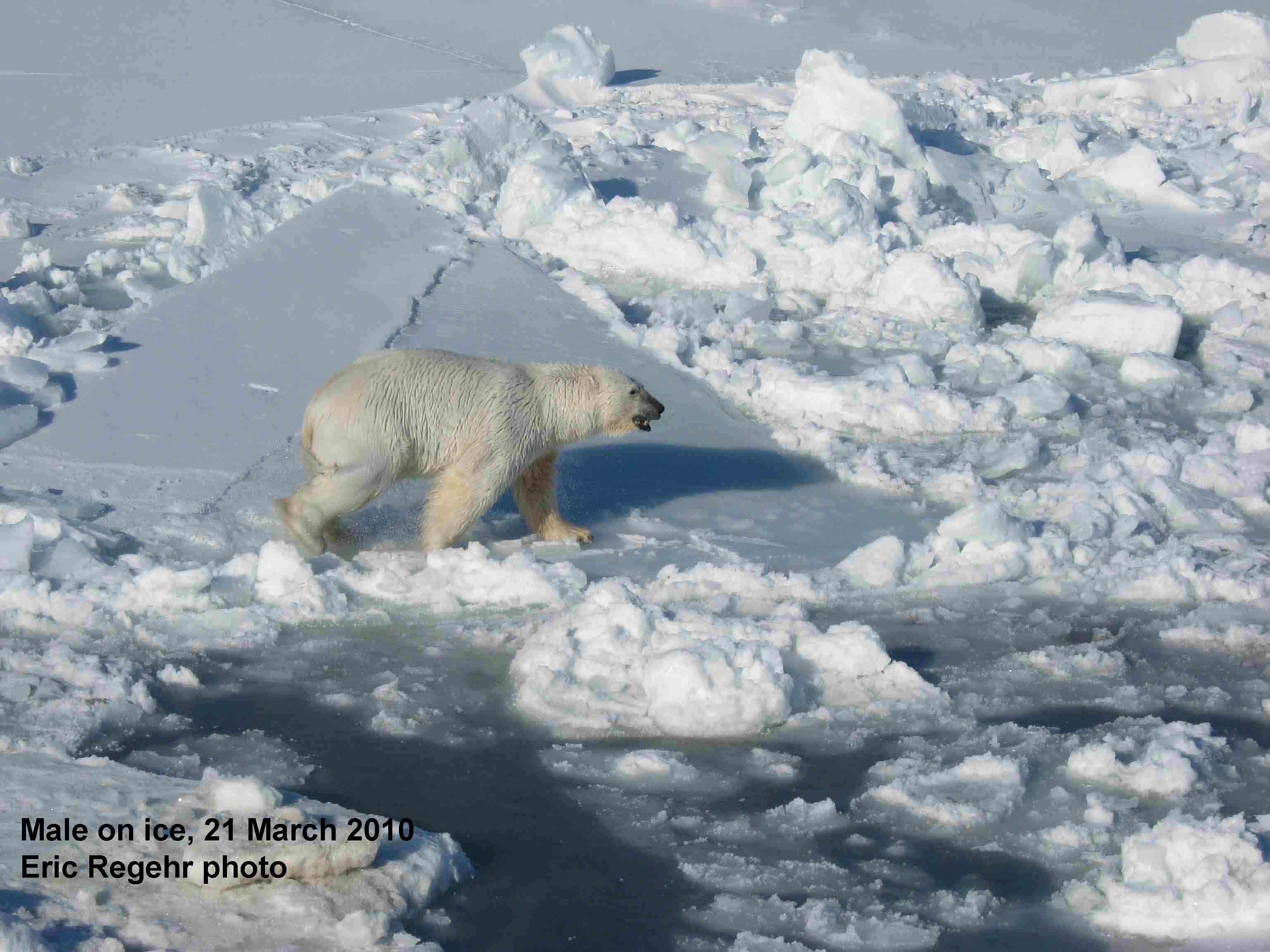
Polar_Bear_male_Regehr photo_March 21 2010_labeled

There is a bit more concentrated ice around Svalbard than last year (or in 2012), although ice in the Barents Sea in general is still below average due to the state of the Atlantic Multidecadal Oscillation (AMO). The state of the AMO and its effects on Barents Sea polar bear sea ice habitat has nothing to do with global warming: it’s a cycle that has been documented for centuries (Miles et al. 2014).

Still, there is plenty enough sea ice for polar bear hunting: this is the beginning of the critical feeding time for all polar bears (see here and here), but especially for the survival of new cubs-of-the-year, so I have a few words about Western Hudson Bay cubs below.

Have a look for yourself.
Update: Added 20 March 2015, comparison maps from Cryosphere Today for 2006 vs. 2015.
Continue reading

East Greenland polar bears – said to be the most polluted but appear to be doing just fine

I’ve not written much about this subpopulation before but with the flurry of interest over “weakened” penis bones and toxic chemicals, I thought it was time to remedy the situation.

East Greenland Scorsby Sound March 2011 on Kap Tobin, Rune Dietz (press photo) Rune Dietz

East Greenland Scorsby Sound March 2011 on Kap Tobin, Rune Dietz, press photo

Continue reading

Polar bear habitat – more Arctic sea ice in Canada this week than in early 1970s

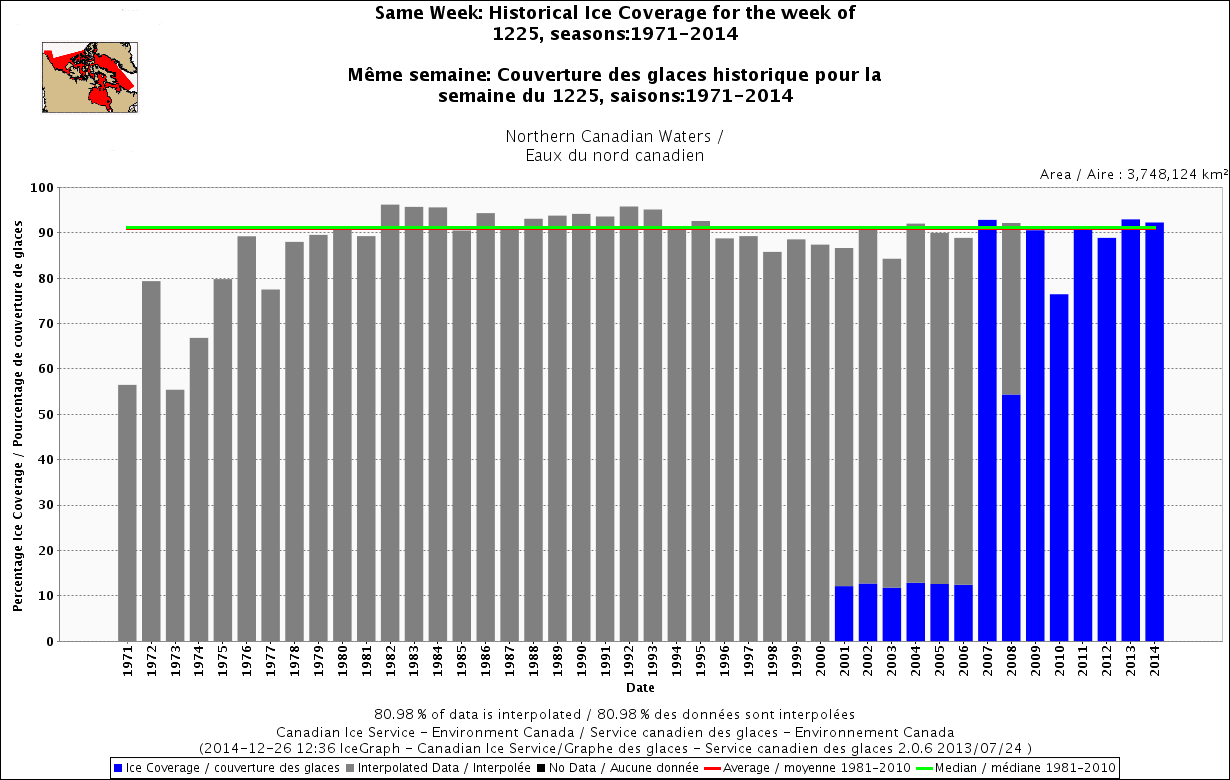
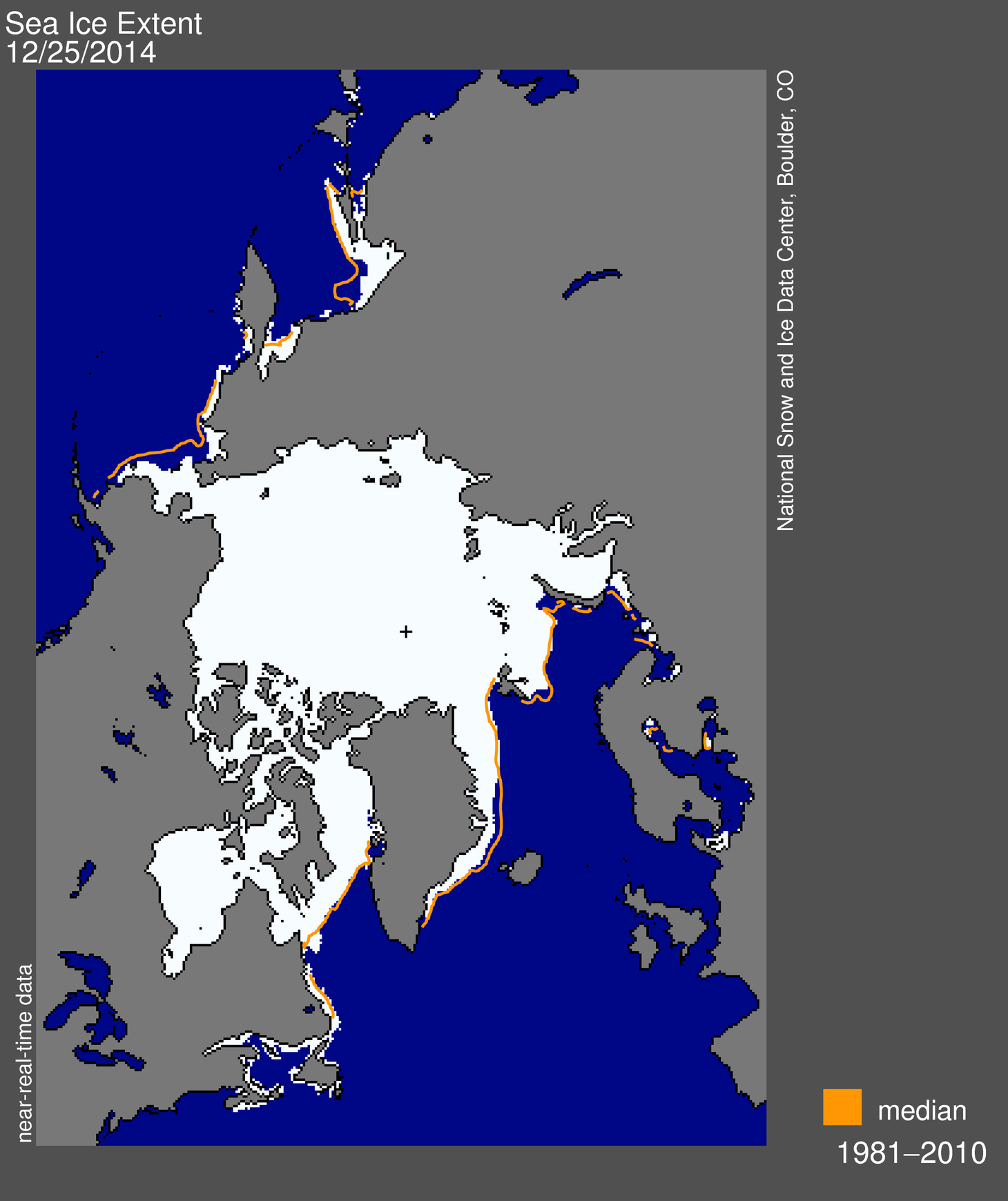
This week, Arctic sea ice in Canada, where 2/3 of the world’s polar bears live, had more sea ice than was present in the early 1970s. Globally, the ice is spitting-distance close to the 1981-2010 average calculated by the NSIDC for this date – which means lots of winter/spring hunting habitat for polar bears.

Canada sea ice freeze-up_same week_Dec 25 1971_2014 standard average

This is the peak of the polar bear birthing season (both in the wild and in zoos.) Newborns will be snug in maternity dens built by their mothers onshore or on the sea ice; the rest of the population will be out on the ice.

Sea ice extent 2014 Dec 25 NSIDC

Regional ice charts going back to the late 1960s and early 1970s for this week show even more surprises — have a look.

Continue reading

Hudson Bay sea ice well above average – excellent early December polar bear habitat

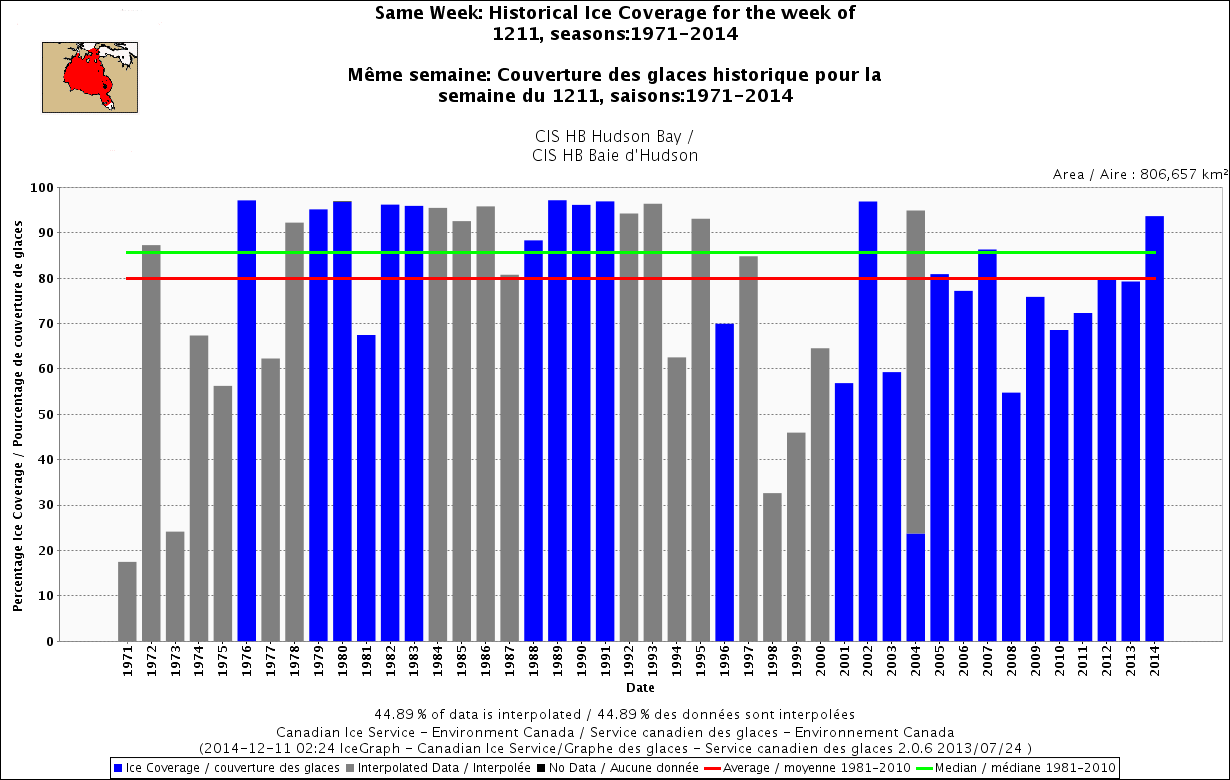
Sea ice development for this date is well above average on Hudson Bay – even more so than last week – making three years in a row of average-to-above average ice habitat available to polar bears in early December (see last week’s ice summary here). Coverage for the week of 11 December from 1971 to 2104 below (from Canadian Ice Service):

Hudson Bay freeze-up same week_Dec 11 1971_2014 w average

More maps below (from CIS and NSIDC), see others here.

Continue reading