Tag Archives: polar bear

IUCN Specialist Group quietly adds “sea ice changes” to their polar bear status table

In late January, the IUCN PBSG made significant changes to its polar bear status table but did not think it was worth bringing to the public’s attention via a tweet, press release or note on their web site’s home page.
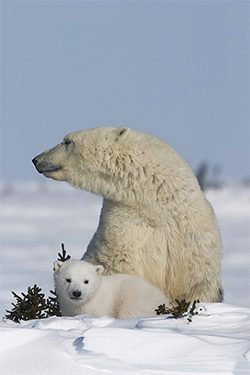
Hudson Bay female with cub_Wapusk_Thorsten Milse_Gov CA

What changes? Well, while the group did not see fit to agree with all of Environment Canada’s assessments (e.g. listing Davis Strait bears as “likely increasing” compared to the PBSG’s “stable”, see full list here), it did upgrade their status of Western Hudson Bay bears to ‘stable’ (which EC did back in June 2014).

More significantly, however, they also added two metrics of sea ice change to their assessment table, presumably because alongside ‘human-caused removals’ (which they also track in their tables)1, sea ice changes are supposedly critical ‘threats’ to polar bear health and survival.

So critical, in fact, that they’ve only just now gotten around to measuring it consistently across polar bear territory. Funny thing is, they cite no document that shows the sea ice change calculations for each subpopulation region, nor who generated them.

Let me be clear: no one has ever generated such a sea ice metric before – it is a unique PBSG construct that you will find nowhere else. By providing no documentation that lays out the calculations for inspection, the PBSG are simply insisting the public accept their unpublished, non-peer-reviewed work on faith. Details below.
Continue reading
International Polar Bear Day & Polar bears in the news this week

Today’s the day to celebrate the resilience and adaptability of polar bears.

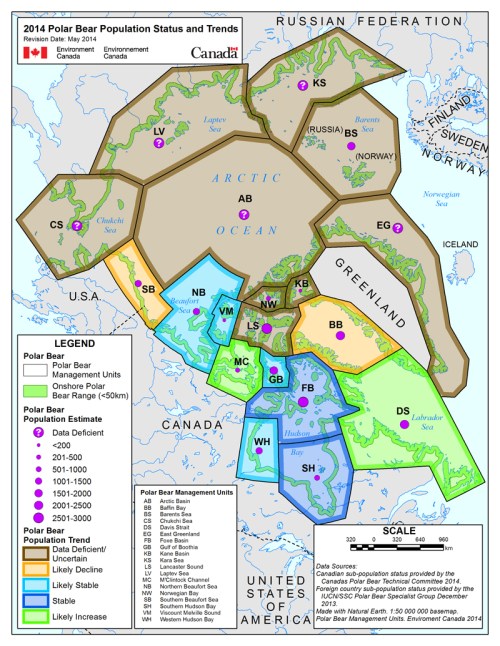
Not only did the record-breaking sea ice low of 2012 have virtually no effect on the bears but in 2014, only two subpopulations were classified as “declining” or “likely declining” – down from seven in 2010 and four in 2013 (see map below).

 Figure 6.  Most recent global polar bear population status assessment, using figures from the IUCN Polar Bear Specialist Group assessment (2013) and Environment Canada (May 2014). Note that of the two subpopulations denoted as being on a likely declining trend, BB (Baffin Bay) is suspected to be declining due to over-hunting and SB (Southern Beaufort) had an unfinished rebound caused by thick spring ice conditions in 2004-2006; a more recent survey (2012) indicated SB numbers were higher than the previous 10 years.

See my recent Twenty good reasons not to worry about polar bears.
[GWPF Briefing Paper version (pdf), just out today, here]

POLAR BEARS IN THE NEWS…

Kudos to the CBC for producing a propaganda-free polar bear “Fun Facts” page for kids that won’t give them nightmares – have a look.

Other news: Polar bears come early to Black Tickle, Labrador this year, a new population count is planned for the Barents Sea subpopulation, and The Times (UK) publishes some good news about polar bears. Details below.

UPDATE February 27, 2015. I’ve added another news item I missed below.

UPDATE APRIL 7, 2015. Correction to the February 27 update below.
Continue reading

Twenty good reasons not to worry about polar bears

PB  logo coloured Here’s a new resource for cooling the polar bear spin, all in one place. I’ve updated and expanded my previous summary of reasons not to worry about polar bears, which is now two years old. In it, you’ll find links to supporting information (including previous blog posts of mine that provide background, maps and extensive references), although some of the most important graphs and maps have been copied into the summary. I hope you find it a useful resource for refuting the spin and tuning out the cries of doom and gloom about the future of polar bears — please feel free to share. Pdf here of the text below.

This is the 1st anniversary of Canada providing population estimates and trends independent of the pessimistic prognostications of the IUCN/SSC Polar Bear Specialist Group (PBSG) — so let’s celebrate the recent triumphs and resilience of polar bears to their ever-changing Arctic environment.

AK PB N Shore-USFWS Barrow_labeled
Continue reading

Polar bear biologists try – again – to blame S. Beaufort thick spring ice on global warming

The trouble is, sea ice researchers and atmospheric scientists have not drawn that conclusion, despite what a new paper by Pilfold and colleagues imply. It shows just what lengths desperate IUCN Polar Bear Specialist Group  (PBSG) biologists will go to in order to link the recent decline of Southern Beaufort bear numbers to global warming while ignoring similar past declines.

Beaufort Sea pressure ridges_Spring 1949 wikipedia sm

Continue reading

Polar bears out on the sea ice eat few seals in summer and early fall

We hear endlessly about the polar bears ‘forced’ to go without food for months because of receding summer sea ice — what about all the bears that stay out on the ice over the summer? Presumably, those bears keep hunting for seals – but how many do they actually catch?

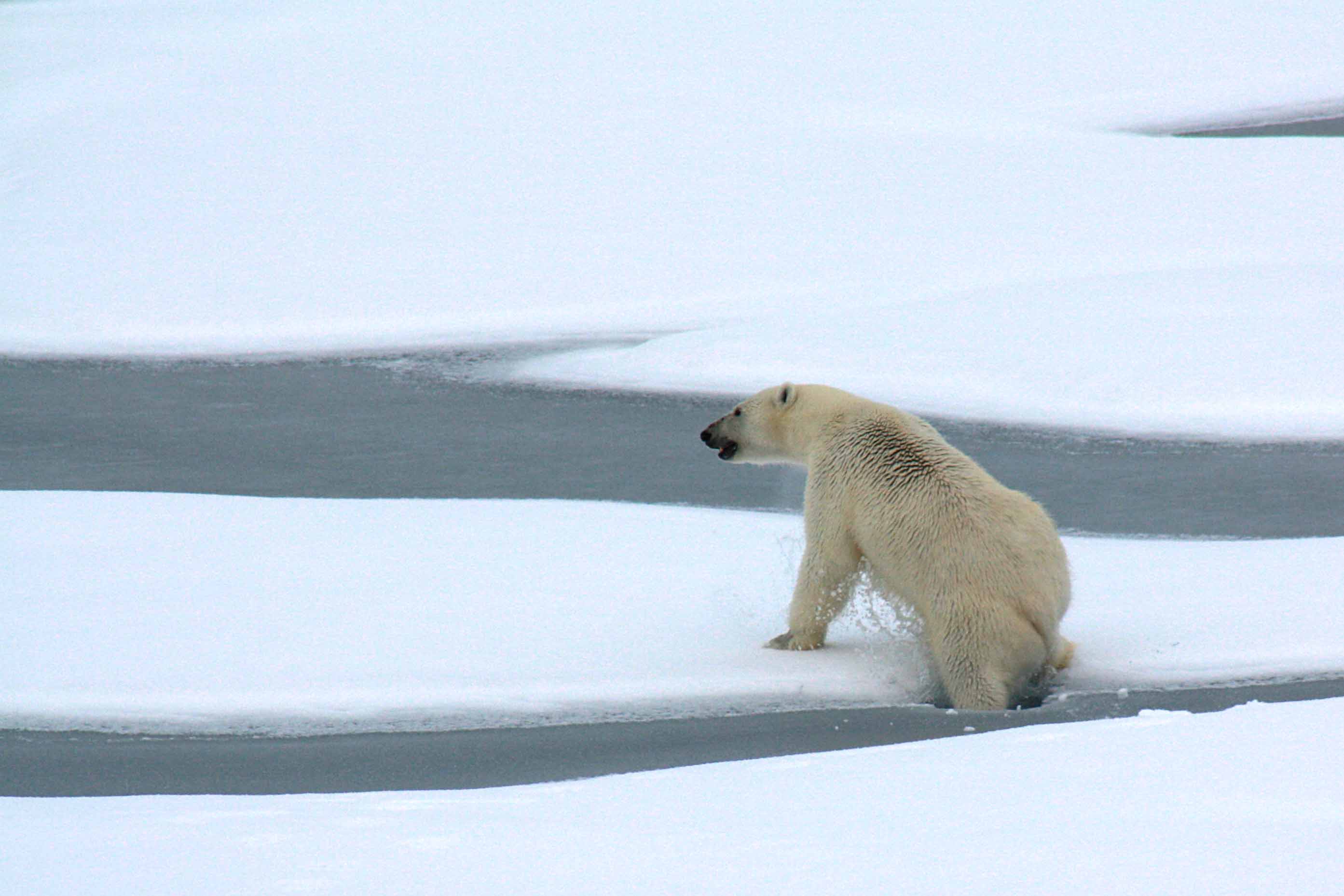
Polar Bear Breaks Ice

[Update 9 February 2015: Just to be clear, this post is based on the facts available in the peer reviewed literature — if you think I have missed something, let me know via the “Contact us” page above]
Continue reading

Polar bear penises not breaking due to PCBs – new paper full of “coulds” and “maybes”

This is a short discussion about research on polar bear penis bones, regarding a new paper that sent several of the Internet’s most juvenile science headline writers off the deep end.1

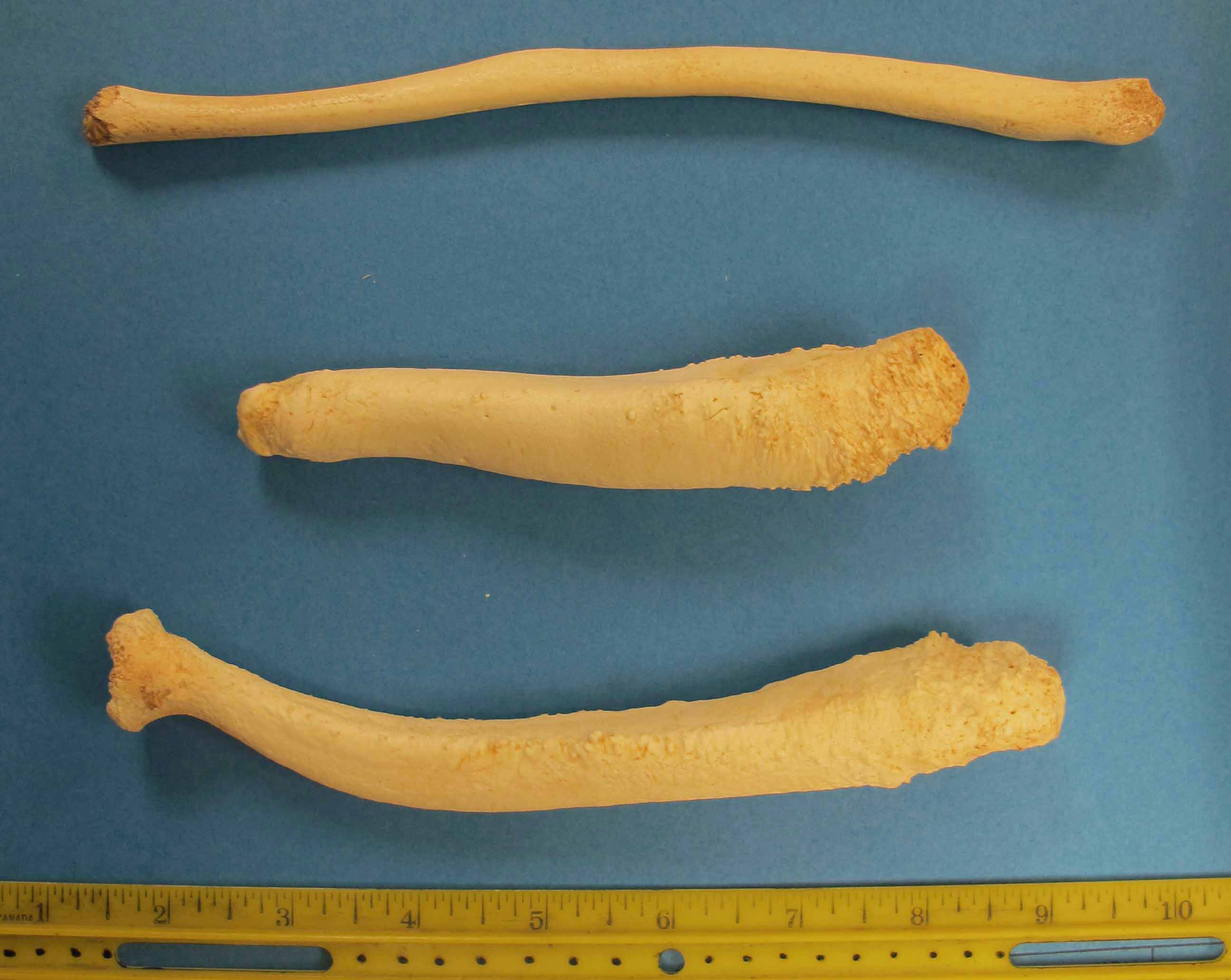
Marine mammal penis bones_not labeled_PolarBearScience_2015_sm

Short quiz first. Above are the penis bones (each called a baculum, plural bacula) of three marine mammals – one is from a bearded seal, one from a polar bear and another from a Steller sea lion. Which one do you think is the polar bear? Answer below.
Continue reading

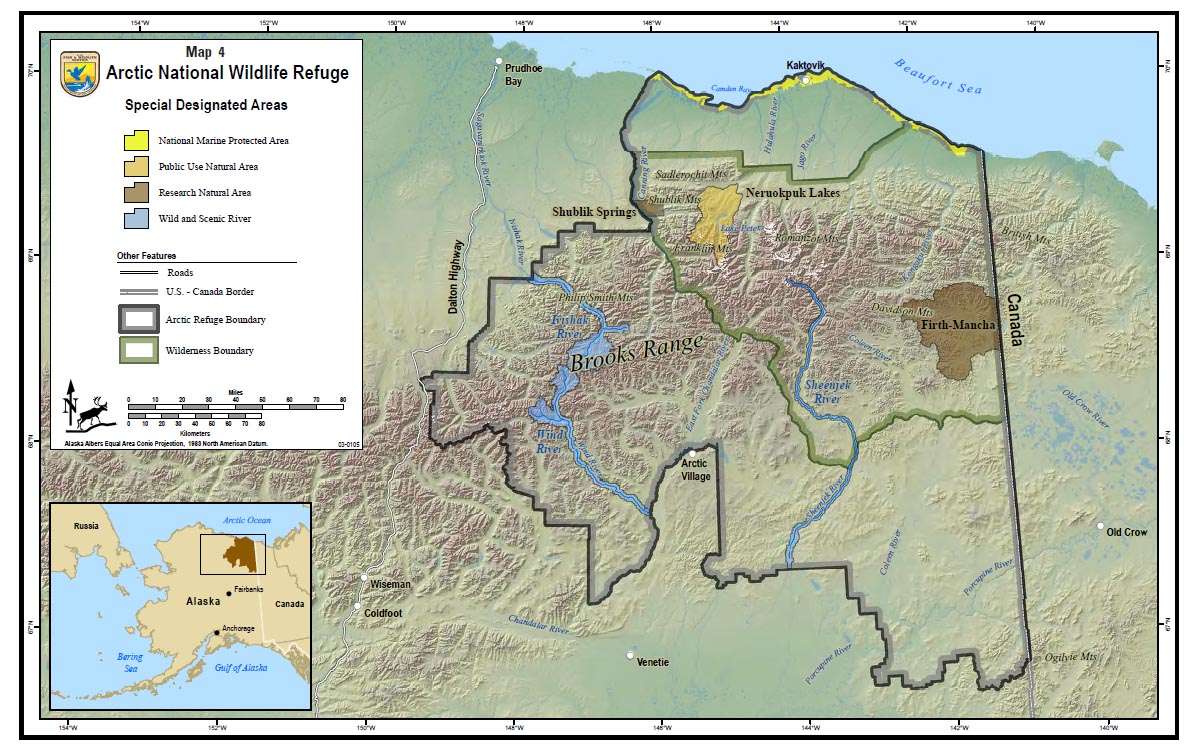
Arctic National Wildlife Refuge in Alaska won’t protect polar bears from thick spring ice

And the proposed coastal refuge won’t protect the denning areas of the majority of Southern Beaufort Sea polar bears, because most females den out on the sea ice, not on land.

Arctic Nat Wildlife Refuge proposed_USFWS_map 4 designated areas

The folks at Polar Bears International (PBI) are crowing with delight at the announcement today that US President Obama has recommended that congress approve plans to implement a proposed an Arctic wildlife refuge area that would include the Arctic coastal plain [see links below, including Obama video].

And in doing so, they mislead the public about how many polar bears use this region of coastal Alaska — as do the US Fish and Wildlife Service on their Refuge website.
Continue reading

Editorial calls for more jobs for polar bear biologists

An editorial in the Edmonton Journal this morning (“Stand on guard for polar bears”) takes a most extraordinary position: that the results of two recent papers of dubious value should motivate Canada to create more jobs for polar bear biologists, “protect” the Canadian Arctic Archipelago (from what, they don’t say), and galvanize Canada’s position with respect to curtailing carbon dioxide emissions. In that order.

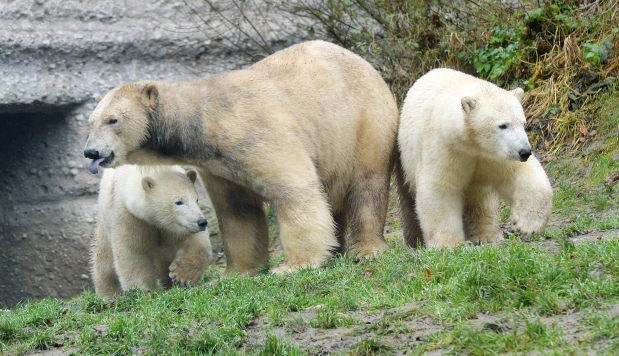
Edmonton Journal editorial photo 22 January 2015

Edmonton Journal editorial photo 22 January 2015. Munich Zoo bears.

First, the unnamed editors1 say: “This country needs more eyes and ears monitoring the health, numbers and locations of its polar bear populations.

Why would they come to that conclusion? They quote University of Alberta’s Andrew Derocher (who supervises a number of students doing polar bear research in Western Hudson Bay):

“If Canada was doing the right thing, we’d have extensive monitoring,” University of Alberta polar bear researcher Andrew Derocher said to the Journal in late 2014.

Continue reading

Faux polar bear figures – my editorial in the National Post

Published in the Business section (Financial Post “Comments”) of the National Post this morning:

Paul J. Richards/AFP/Getty Images [NP story]

Paul J. Richards/AFP/Getty Images [from original NP essay]

“Faux polar bear figures” [not my choice of title, by the way]

In which I conclude:

We admire polar bear biologists for their professional dedication to this iconic species, and rightly so. However, while it’s understandable that polar bear biologists are conservation-minded, the public and policy makers need them to be scientists first and advocates for polar bear protection second. Polar bears are currently doing well – data shenanigans to keep them classified as “threatened” undermine the whole point of doing science.”

I have written extensively about the Southern Beaufort issue — below are links to some of these, which have links to the rest. References are included in these individual posts. Contact me if there is a reference you cannot find: Continue reading

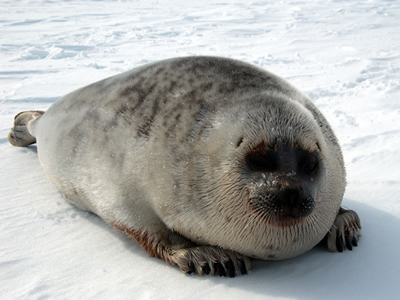
‘Threatened’ status for Arctic ringed seals under ESA makes no sense

Recent research (Crawford and Quakenbush 203; Rode et al. 2014) has shown that sea ice declines in the Chukchi and Beaufort Seas have made life better for ringed seals, not worse (as predicted) – ringed seals are in better condition and reproducing better than they were in the 1970s. Why? Ringed seals do most of their feeding in the open-water period (Young and Ferguson 2013), so a longer open-water season means fatter, healthier seals and more fat pups for polar bears to hunt the following spring.

Ringed_seal_2_NOAA

However, Arctic ringed seals (as well as bearded seals) were designated as ‘threatened’ by the USA in 2012 under the Endangered Species Act, based on predicted ice and snow declines due to prophesied global warming. These listings are all about future threats, with no pretense of on-going harm.

Virtually no other Arctic nation has taken this step for Arctic seals — see previous discussion here. There are lots of ringed seals — an estimated 3-4 million world-wide and about 1.7 million within the critical habitat proposed by NOAA (see below).

As weak as the case for listing polar bears as ‘threatened’ has proven to be, the case for listing ringed and bearded seals is even more feeble (a judge has already sent the bearded seal listing back to the drawing board).
Continue reading